

Balance problems are one of the earliest and most dangerous warning signs of ageing-related decline. Many families notice subtle changes—unsteady walking, hesitation while standing, or frequent near-falls—but underestimate their seriousness. In reality, balance problems in elderly people are a leading cause of falls and hip injuries. Understanding why balance issues occur, how to recognize them early, and what can be done makes a critical difference.
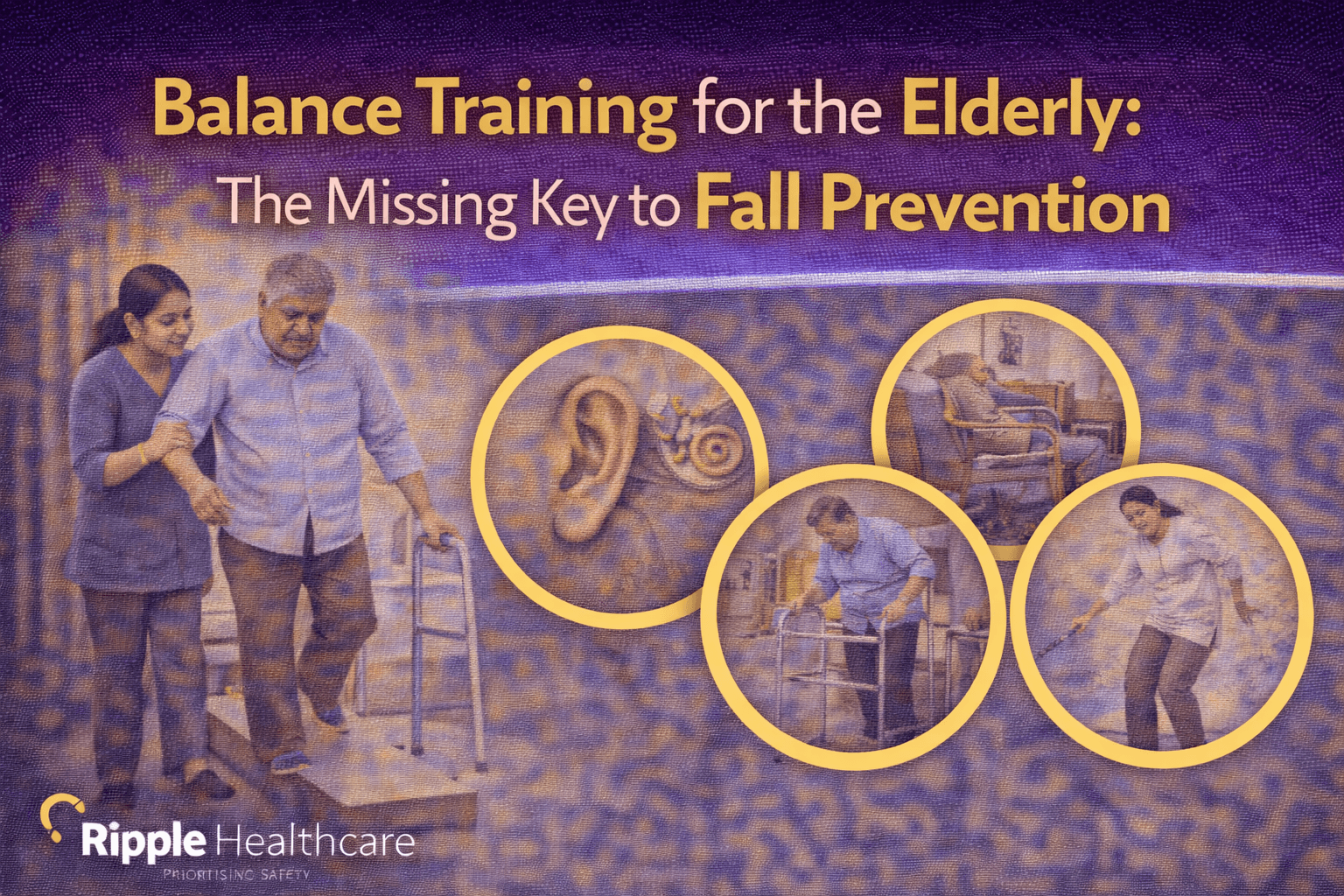
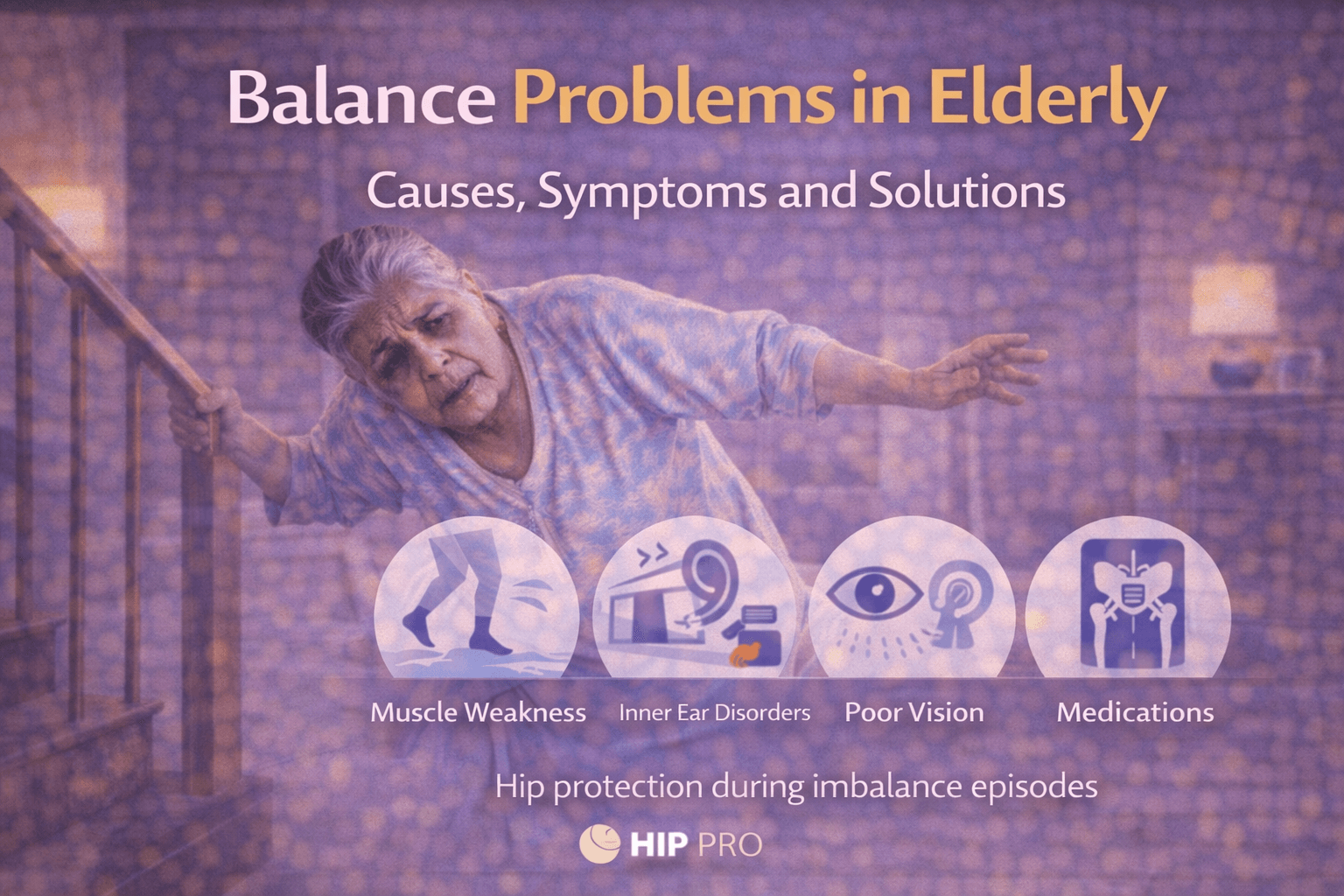
Common causes of balance problems in elderly
1. Muscle weakness
Age-related muscle loss reduces strength in the legs and core. Impact: Difficulty standing up Poor posture control Inability to recover from a stumble
2. Inner ear and vestibular disorders
The inner ear plays a key role in balance. Impact: Vertigo or spinning sensations Sudden loss of orientation Increased risk of unexpected falls
3. Vision problems
Poor eyesight affects depth perception and spatial awareness. Impact: Misjudging steps and surfaces Difficulty walking in low light Increased night-time falls
4. Neurological conditions
Conditions such as Parkinson’s disease, stroke, or peripheral neuropathy affect coordination. Impact: Shuffling gait Delayed reactions Sudden freezing while walking
5. Blood pressure fluctuations
Sudden drops in blood pressure when standing (postural hypotension) are common. Impact: Dizziness Fainting spells Falls during position changes
6. Medication side effects
Many medications affect alertness and coordination. Common effects: Drowsiness Dizziness Confusion The risk increases when multiple medications are taken together.
Why balance problems in elderly should never be ignored
Balance is controlled by a complex interaction between: Muscles and joints Eyes (vision) Inner ear (vestibular system) Brain and nerves As people age, even small impairments in these systems can lead to instability. A brief loss of balance can turn into a fall within seconds—often without enough time to react.
Symptoms of balance problems you should watch for
Balance issues are not always dramatic. Look for: Frequent stumbling or tripping Holding onto furniture while walking Fear of walking alone Dizziness or light-headedness Slow or shuffling steps Avoidance of movement These signs often appear weeks or months before a serious fall.
How balance problems lead to falls and hip injuries
When balance is compromised: Reaction time is slower Protective reflexes are weaker Falls are harder to control The hip becomes especially vulnerable during sideways falls. This is why hip fractures are one of the most common and severe outcomes of balance-related falls in elderly individuals.
Practical solutions for managing balance problems
1. Medical evaluation
Review medications Check vision and hearing Screen for neurological or cardiovascular issues
2. Strength and balance exercises
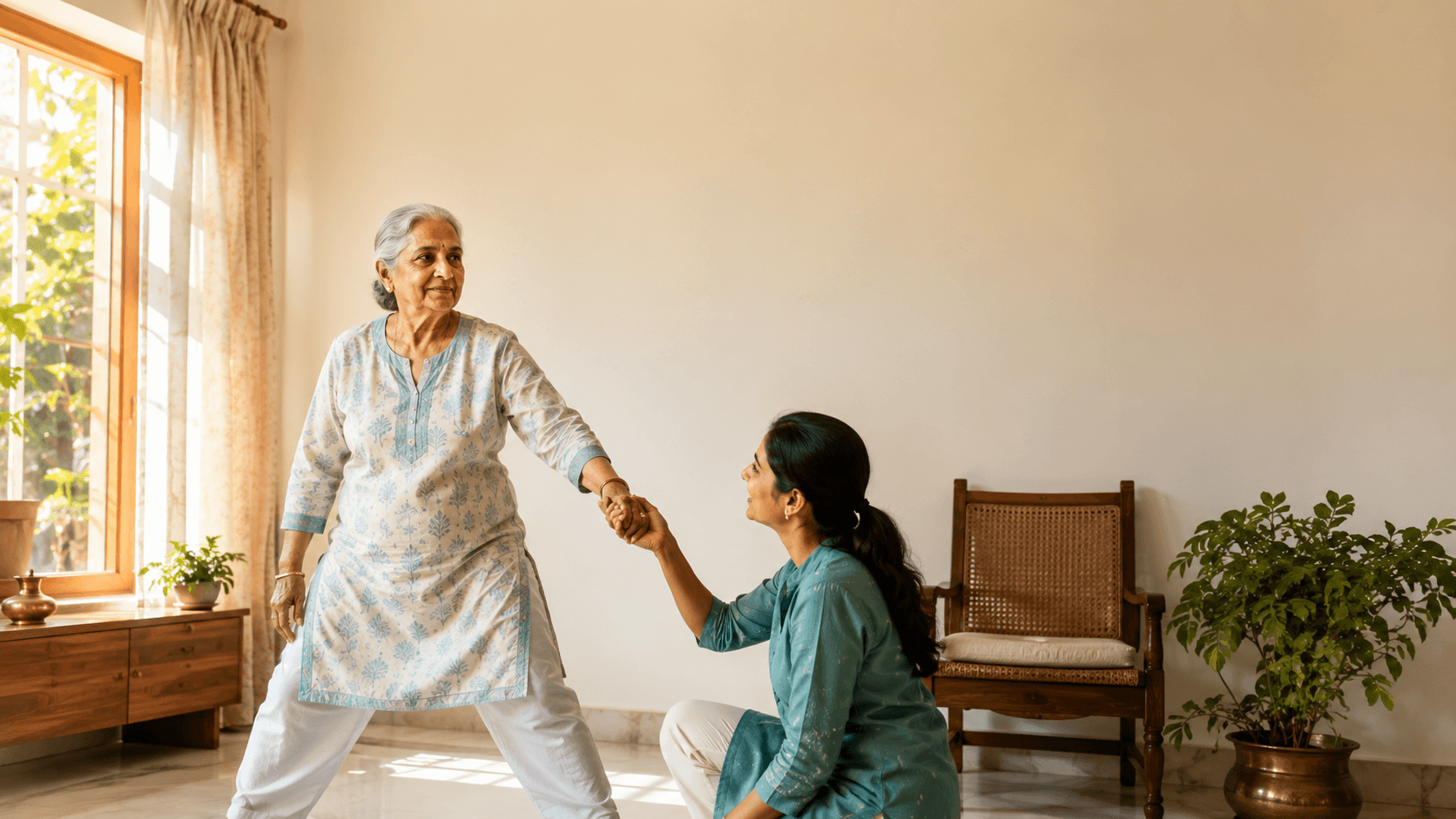
Simple daily activities can help: Chair stands Heel-to-toe walking Gentle stretching and leg strengthening Consistency matters more than intensity.
3. Home safety modifications
Install grab bars Improve lighting Remove loose rugs Use non-slip bathroom mats
4. Walking aids when needed
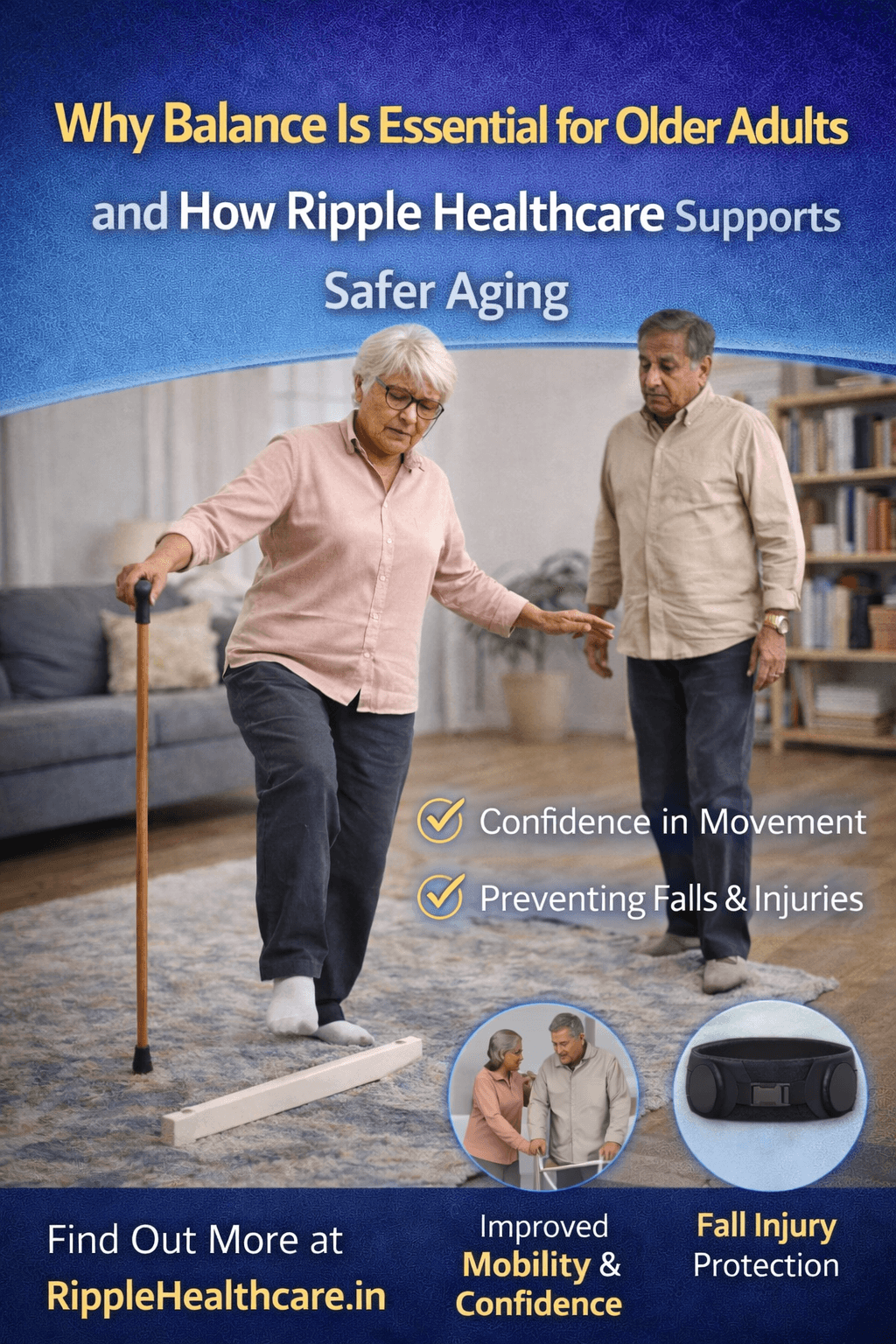
Using a cane or walker is not a weakness—it’s a safety decision.
Why protection matters during imbalance episodes
Even with treatment and precautions, balance problems cannot always be fully corrected. Sudden dizziness, muscle fatigue, or uneven surfaces can still lead to unexpected falls. This is why injury prevention is as important as fall prevention. During imbalance episodes, the body may not react quickly enough to protect vital areas—especially the hips.
Added safety during high-risk moments
For elderly individuals with: Frequent dizziness Known balance disorders Muscle weakness Previous falls External hip protection provides critical support. HIP PRO is designed to: Absorb impact during sudden falls Protect the hip during sideways imbalance Allow normal daily movement without restriction It works quietly in the background—especially when balance fails without warning.
Final thoughts
Balance problems in elderly people are common—but they are not harmless. They signal increased fall risk and demand early action. With awareness, simple interventions, and protective solutions during imbalance episodes, elderly individuals can remain safer, more confident, and more independent. Because when balance is uncertain, protection should never be optional.