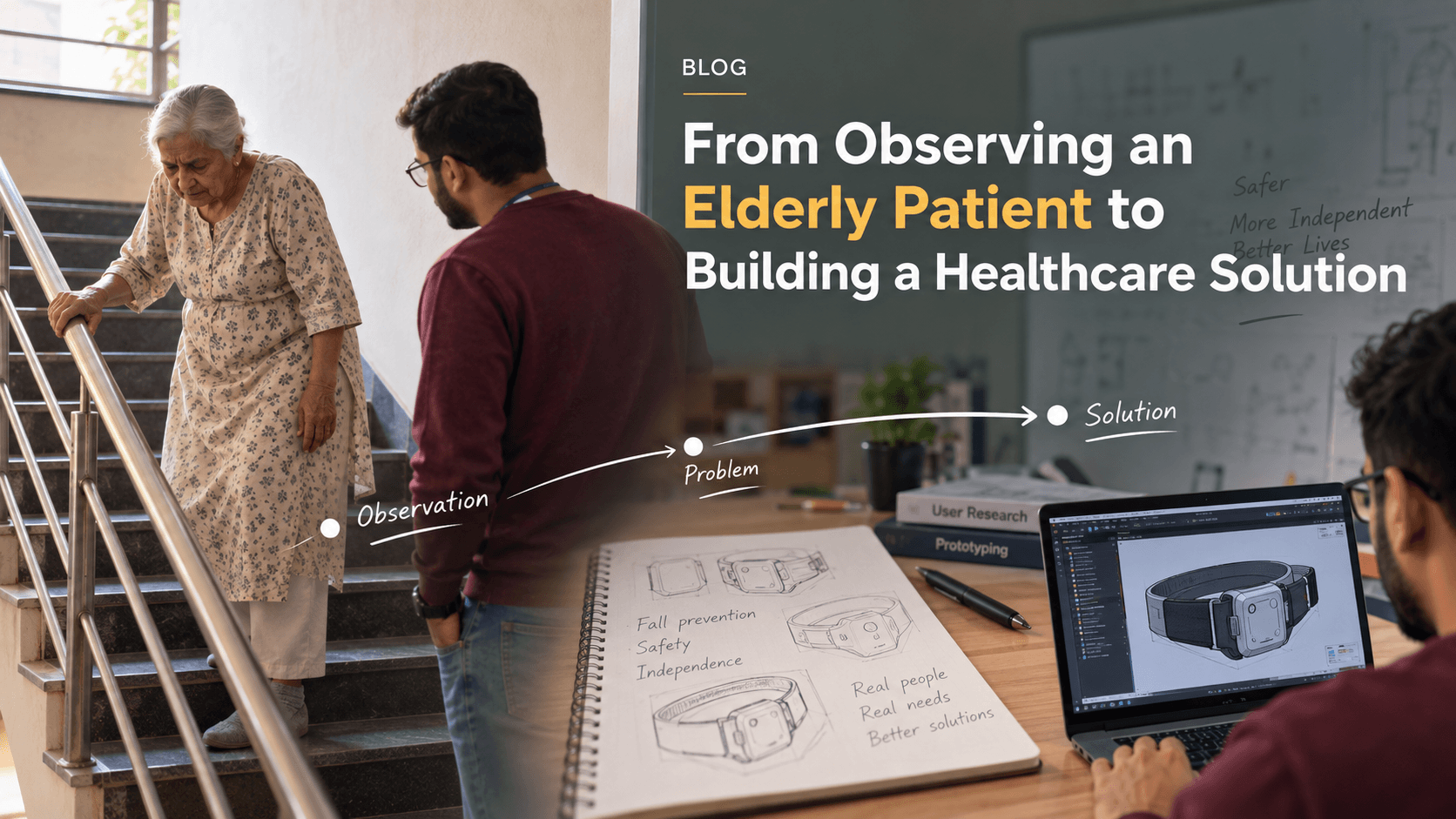


Falls are a leading cause of hip fractures in elderly people. Learn why they happen, their impact, prevention strategies, and how Ripple Healthcare supports safer aging.
Introduction
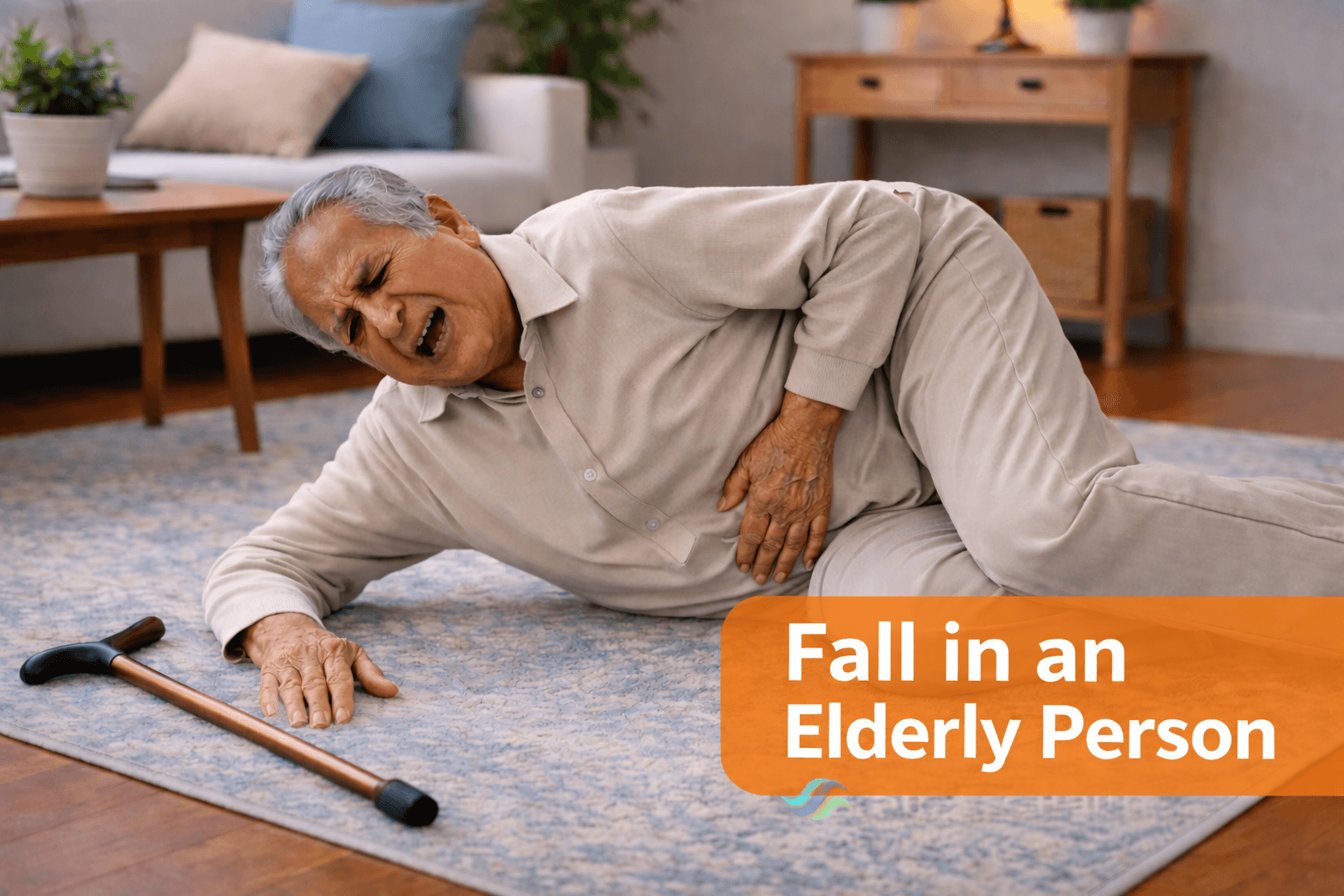
Falls are one of the most common accidents among older adults, and they often lead to serious injuries. Among these, hip fractures are the most dangerous and life-changing. What may seem like a small slip can result in long hospital stays, surgery, loss of independence, and emotional stress for both seniors and their families.
Why Do Elderly People Fall More Often?
As people age, several physical changes increase the risk of falling.
Weak Muscles and Poor Balance
Reduced strength and stability make it harder to stay upright.
Slower Reflexes
The body reacts more slowly to sudden movements or slips.
Vision Problems
Poor eyesight makes obstacles harder to notice.
Joint Stiffness
Limited flexibility affects posture and movement.
Medication Side Effects
Some medicines cause dizziness or drowsiness.
How Falls Lead to Hip Fractures
The hip is one of the most vulnerable parts of the body during a fall. Because elderly bones are often weaker due to osteoporosis, even a fall from standing height can cause a fracture. Common fall situations include slipping in the bathroom, tripping over rugs or wires, losing balance while walking, falling on stairs, and sudden dizziness.
Why Hip Fractures Are So Serious
Hip fractures affect more than just physical health.
Surgery and Hospitalization
Most hip fractures require surgery and long hospital stays.
Reduced Mobility
Some seniors never regain full walking ability.
Long Recovery
Physiotherapy and rehabilitation can take months.
Emotional Impact
Fear of falling again can cause anxiety and isolation.
Financial Stress
Medical care can be expensive for families.
How Falls and Hip Fractures Change Daily Life
After a hip fracture, many elderly people need walking aids or wheelchairs, depend on caregivers, avoid movement due to fear, lose confidence, and feel less independent. This can affect both physical and mental well-being.
Preventing Falls and Hip Fractures
Prevention focuses on reducing fall risk and reducing injury during a fall.
Improve Balance and Strength
Simple exercises improve stability and muscle strength.
Make Homes Safer
Remove loose rugs, add grab bars, and improve lighting.
Regular Health Checkups
Vision and medication reviews reduce fall risk.
Wear Safe Footwear
Non-slip shoes reduce slipping.
Use Protective Technology
Modern devices can reduce injury during a fall.
Ripple Healthcare: Supporting Safer Aging
Ripple Healthcare is dedicated to protecting elderly people from serious fall-related injuries, especially hip fractures. Their innovative solutions focus on safety, comfort, and independence for seniors. To learn more about their work and products, visit https://ripplehealthcare.in.
Extra Protection with Smart Solutions
Even with good prevention, accidents can still happen. That is why combining exercise, home safety, and modern protective solutions is the best approach to reduce injury severity and improve confidence for elderly people.
Conclusion
Falls and hip fractures are serious health concerns for the elderly, but they are not unavoidable. With proper awareness, prevention strategies, and support from innovative solutions like those offered by Ripple Healthcare, seniors can live safer, more confident lives. Protecting our elders means protecting their mobility, dignity, and quality of life.