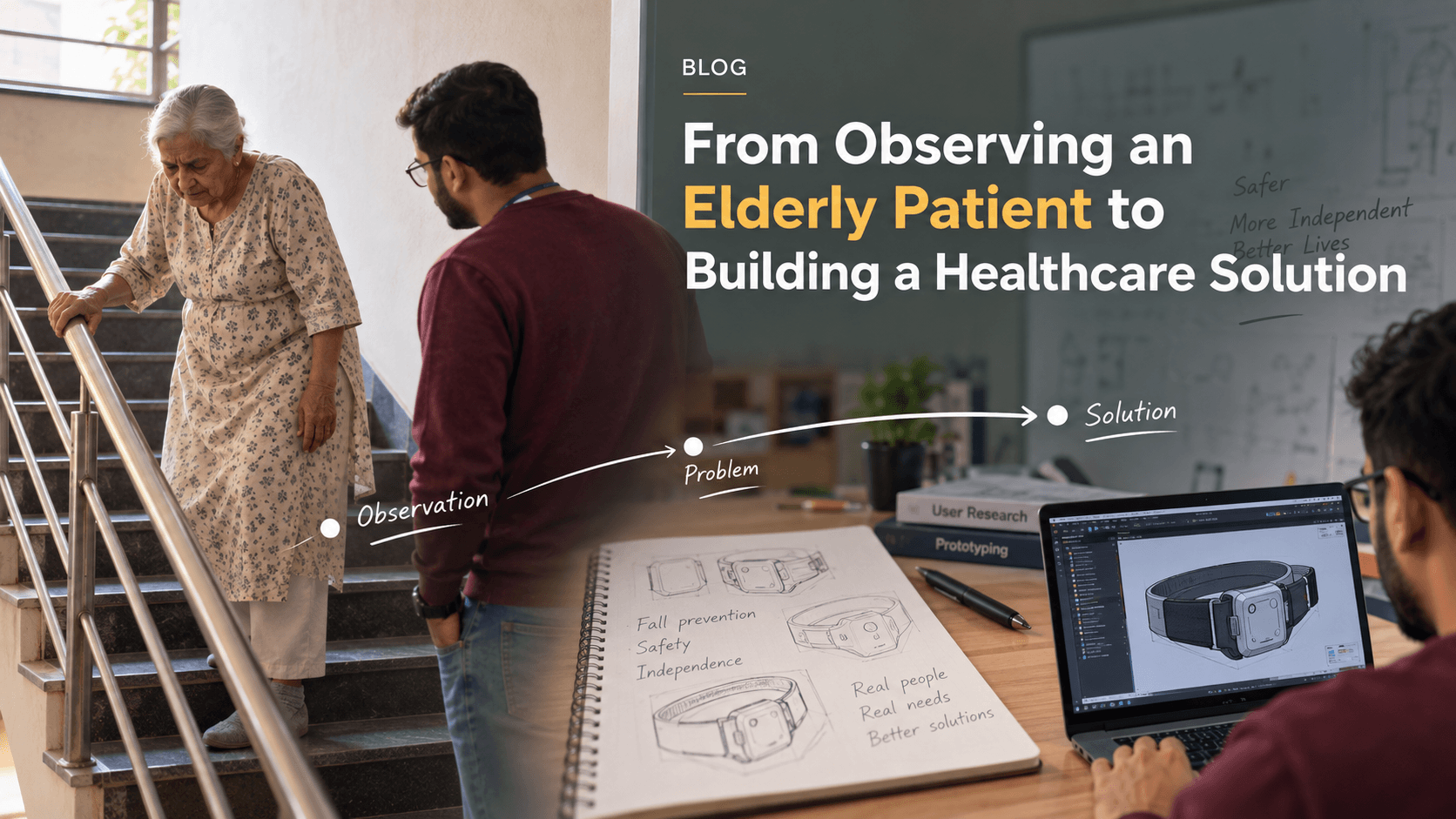


Falls are one of the most common and dangerous health risks for older adults. Even a simple slip can lead to hip fractures, head injuries, and long-term loss of independence. This blog explains why falls happen in the elderly, their impact on health and quality of life, and how preventive care and solutions from Ripple Healthcare can reduce fall-related injuries.
Why Falls Are a Major Concern in Older Adults
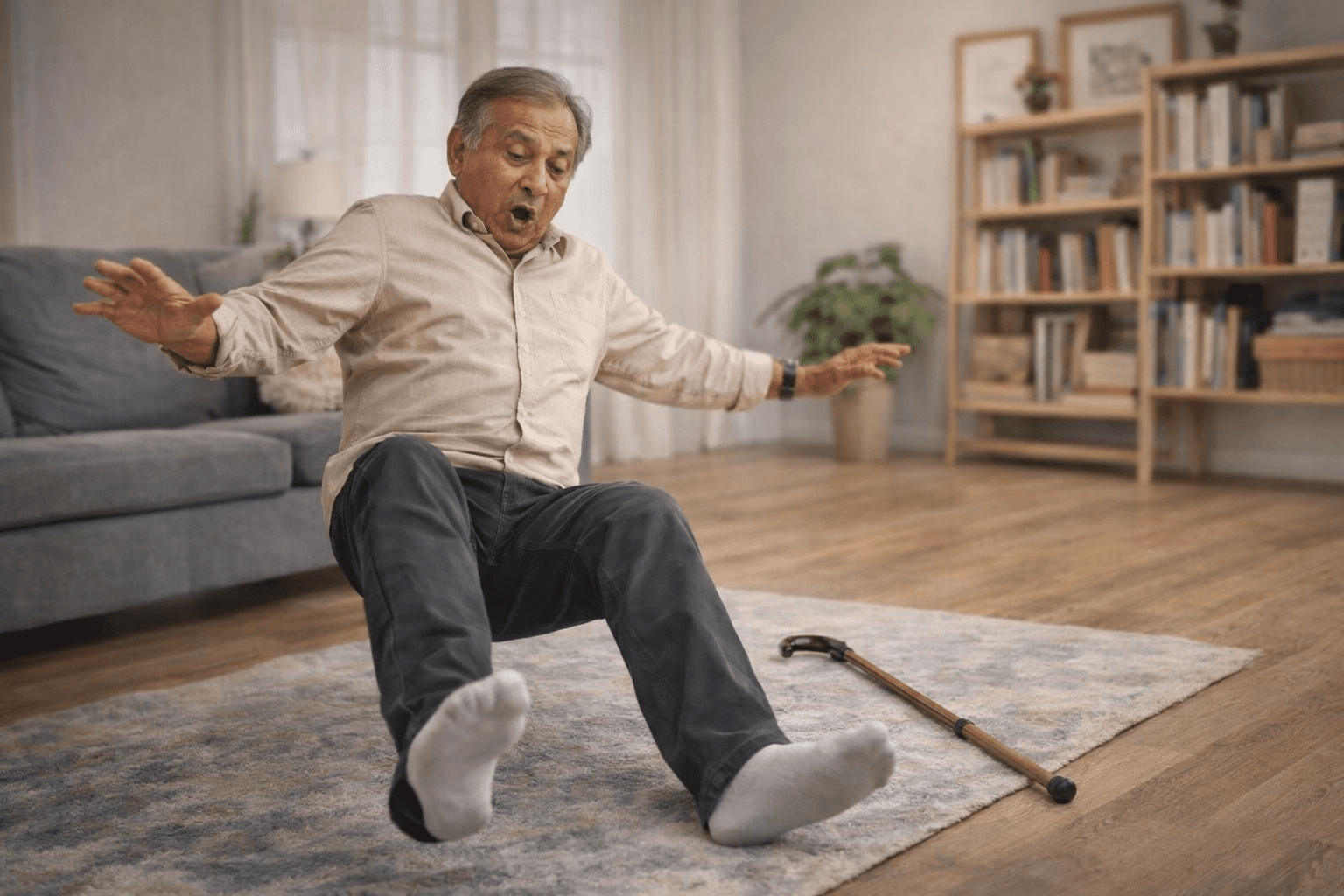
Falls are not just accidents—they are often a sign of declining balance, strength, or health. For adults aged 65 and above, falls are one of the leading causes of injury, hospitalization, and reduced independence.
Common Causes of Falls in the Elderly
Falls usually occur due to a combination of physical, medical, and environmental factors:
Balance and muscle weakness
Age-related muscle loss and reduced coordination make it harder to stay stable while walking or standing.
Vision problems
Poor eyesight makes it difficult to notice steps, obstacles, or uneven surfaces.
Chronic illnesses
Conditions like arthritis, stroke, Parkinson’s disease, and diabetes affect mobility and reflexes.
Medication side effects
Some medicines cause dizziness, low blood pressure, or drowsiness, increasing fall risk.
Unsafe home environment
Slippery floors, loose rugs, poor lighting, and lack of grab bars are common triggers.
Injuries Caused by Falls
A fall can result in serious injuries that significantly impact an elderly person’s life:
Hip fractures
One of the most severe outcomes, often requiring surgery and long-term rehabilitation.
Head injuries
Even minor head trauma can cause brain injuries in older adults.
Spine and wrist fractures
Falls often lead to fractures as seniors attempt to protect themselves.
Soft tissue injuries
Bruises, muscle tears, and ligament injuries can cause long-lasting pain and fear of movement.
The Hidden Impact of Falls
Beyond physical injuries, falls have deep emotional and psychological effects:
Fear of falling again
Many seniors reduce movement after a fall, leading to further weakness.
Loss of independence
Simple daily activities may require assistance after a serious fall.
Emotional distress
Anxiety, depression, and social withdrawal are common after fall-related injuries.
How Falls Can Be Prevented
Most falls are preventable with the right precautions and support:
Home safety improvements
Remove loose rugs, improve lighting, install grab bars, and ensure clutter-free walkways.
Strength and balance training
Regular physiotherapy and balance exercises improve stability and confidence.
Health and medication review
Regular checkups help identify conditions or medicines that increase fall risk.
Use of protective support
Protective devices help reduce the severity of injuries if a fall occurs.
How Ripple Healthcare Is Working to Reduce Fall Injuries
Ripple Healthcare focuses on prevention-first elderly care to reduce fall-related injuries:
HipPro Belt for impact protection
The HipPro Belt is designed to absorb impact during falls, significantly reducing the risk of hip fractures.
Encouraging safe mobility
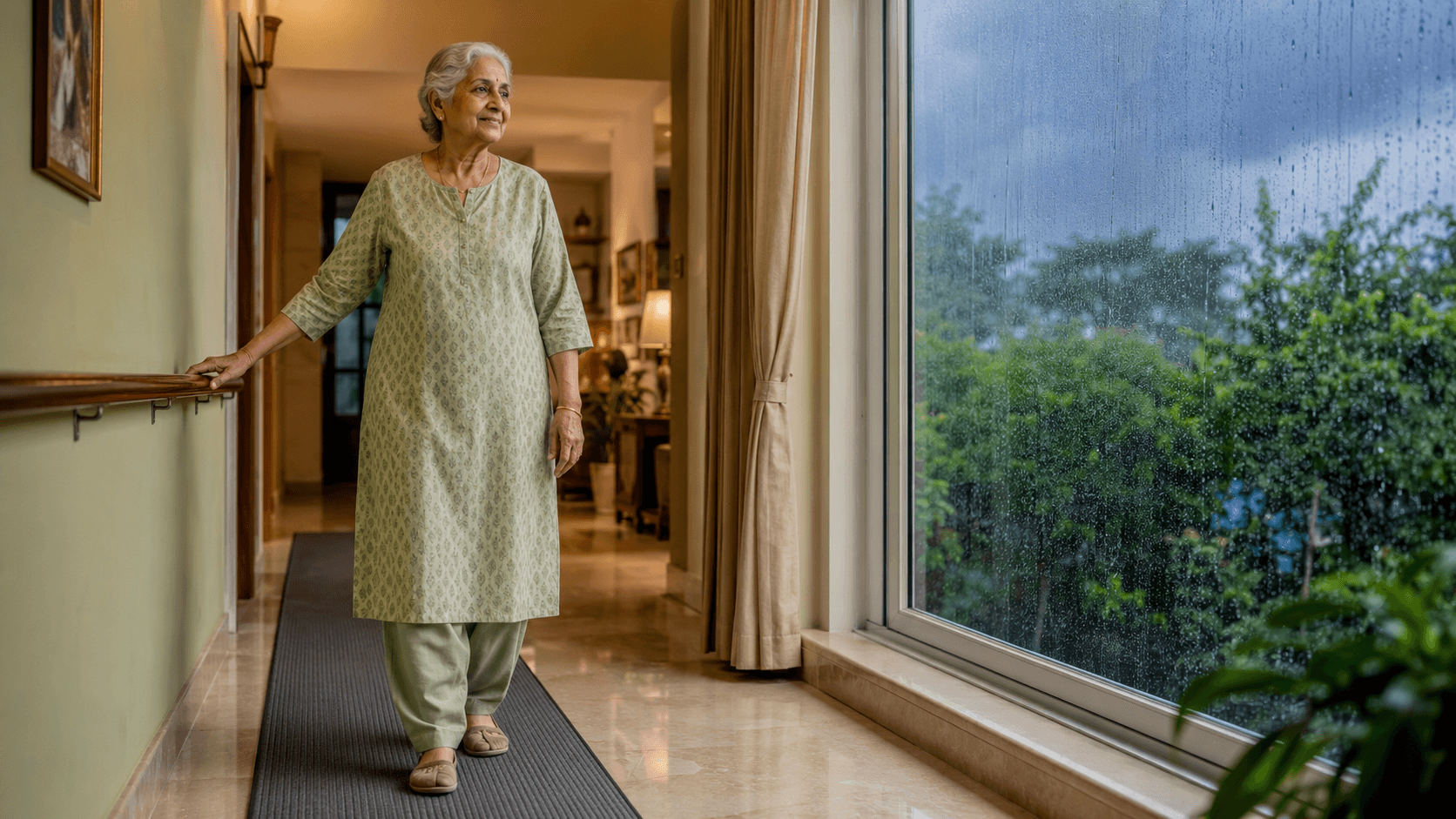
With added protection, seniors can move confidently without fear.
Supporting caregivers and families
Ripple Healthcare solutions provide peace of mind by reducing the severity of fall-related injuries.
Final Thoughts
Falls are not an inevitable part of aging. With awareness, preventive care, and protective solutions like those from Ripple Healthcare, older adults can live safer, more active, and more independent lives.