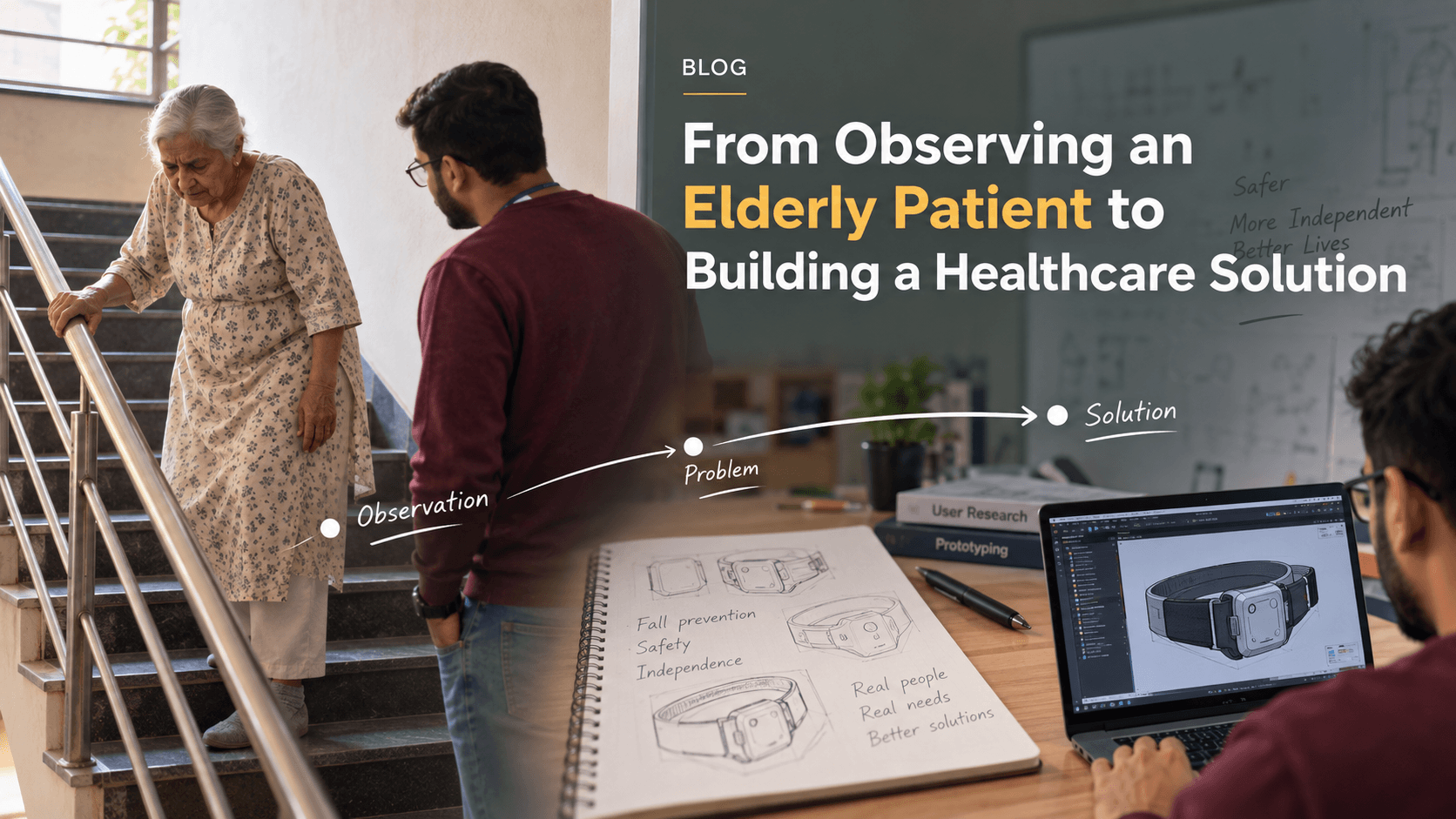


Falls are a major health risk for elderly people. Learn the causes, injuries, emotional impact, and prevention strategies to keep seniors safe and independent.
Introduction
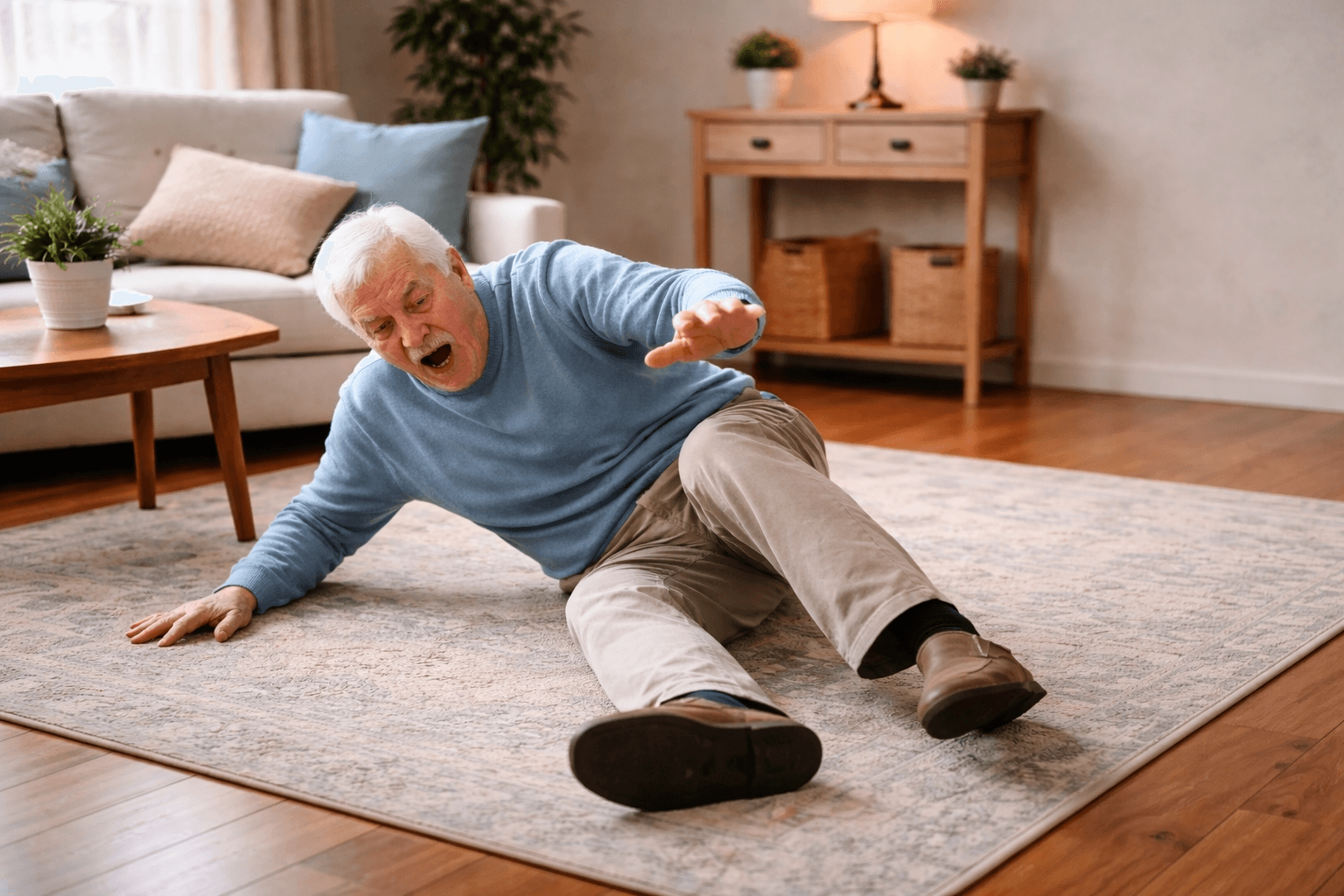
Falls are one of the most common and dangerous health risks for older adults. As people age, changes in strength, balance, vision, and reaction time make them more vulnerable to losing stability. A simple slip can lead to serious injuries such as hip fractures, head trauma, or long-term mobility issues.
Why Are Elderly People More Prone to Falls?
Several age-related factors increase the risk of falls in older adults.
Muscle Weakness
With age, muscle mass naturally decreases. Weak leg and core muscles make it harder to maintain balance.
Poor Balance and Coordination
The body’s ability to adjust quickly to sudden movements declines, increasing the chance of slipping.
Vision Problems
Blurred vision or poor depth perception can make obstacles harder to notice.
Medical Conditions
Conditions like arthritis, Parkinson’s disease, diabetes, and low blood pressure affect movement and stability.
Medication Side Effects
Some medicines cause dizziness or drowsiness, increasing fall risk.
Unsafe Home Environment
Slippery floors, loose rugs, poor lighting, and cluttered walkways are common hazards.
Common Places Where Falls Happen
Falls often occur in high-risk areas such as bathrooms, staircases, uneven outdoor surfaces, bedrooms at night, and kitchens with slippery tiles.
Injuries Caused by Falls
A fall can cause hip fractures, wrist and arm fractures, head injuries, spinal injuries, and long-term loss of confidence. Hip fractures are especially dangerous and often require surgery and long recovery periods.
The Emotional Impact of Falls
Beyond physical injury, falls can lead to fear of walking, reduced independence, social isolation, depression, and increased reliance on caregivers.
How to Prevent Falls in Older Adults
There are several effective strategies to reduce fall risk.
Balance and Strength Training
Regular exercises improve stability and muscle strength.
Home Safety Improvements
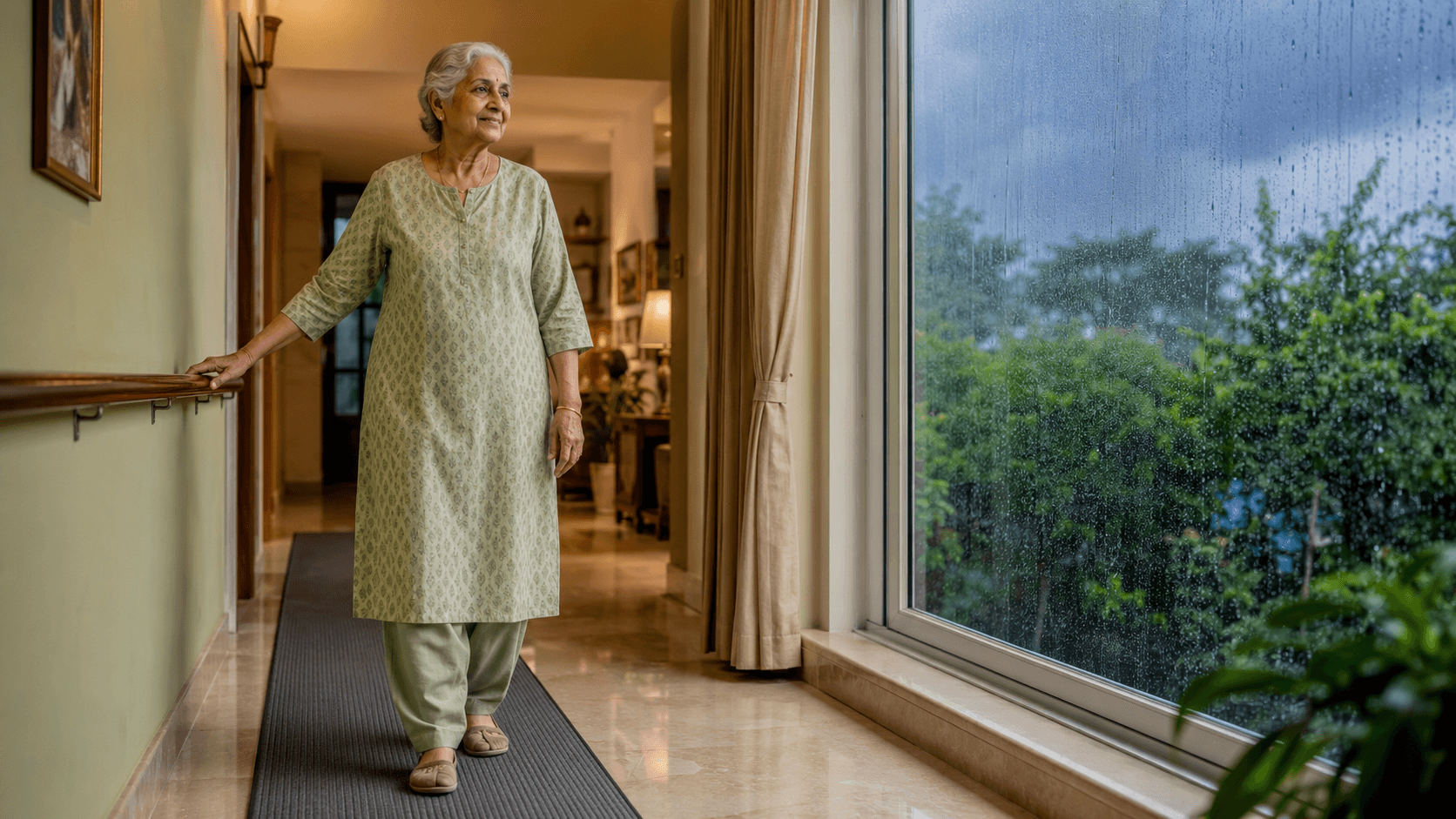
Install grab bars, remove loose rugs, improve lighting, and use non-slip mats.
Proper Footwear
Supportive, non-slip shoes reduce slipping.
Regular Health Checkups
Vision tests and medication reviews help identify risk factors.
Assistive and Protective Devices
Safety wearables and mobility aids provide extra protection.
How Ripple Healthcare Supports Elderly Safety
Ripple Healthcare focuses on protecting seniors from serious fall-related injuries, especially hip fractures. Their innovative safety solutions are designed to help elderly people stay active, confident, and safe in daily life. To learn more, visit https://ripplehealthcare.in. For support or inquiries, go to https://ripplehealthcare.in/contact. If you want to take a proactive step toward elderly safety, you can purchase Ripple Healthcare products here: https://ripplehealthcare.in/Buynow.
Conclusion
Falls are a serious health concern for the elderly. With proper awareness, exercise, home safety, and modern protection solutions, many falls and injuries can be prevented. By combining prevention strategies with advanced safety products from Ripple Healthcare, families can ensure a safer environment and a better quality of life for seniors.