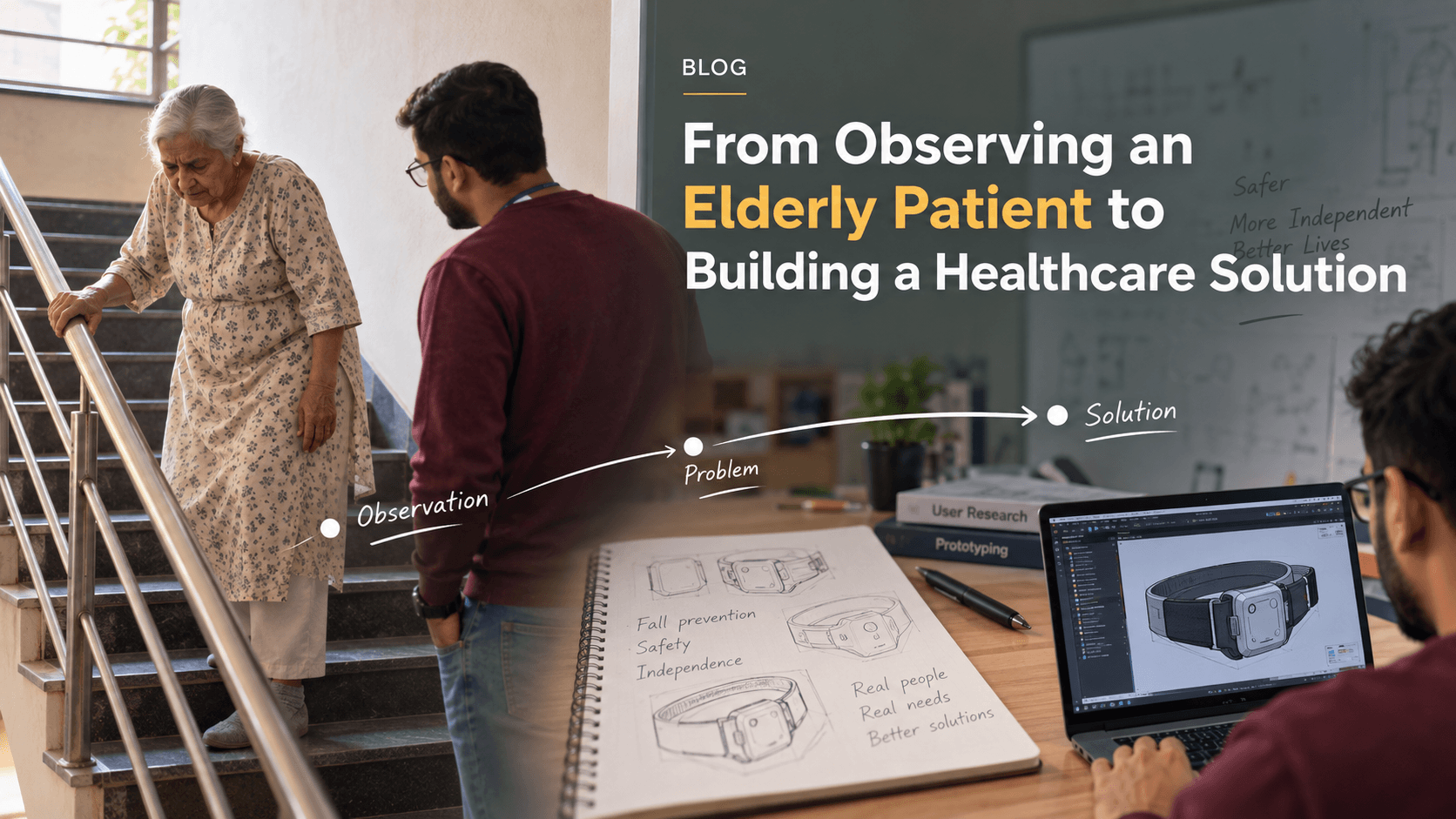


Falls are one of the most frequent and dangerous events affecting older adults. For many seniors, a single fall can lead to serious injuries, long recovery periods, and loss of confidence. This blog explains the underlying reasons behind elderly falls, their long-term consequences, and how preventive approaches and solutions from Ripple Healthcare can help reduce fall-related injuries.
Understanding Falls in Older Adults
A fall is defined as an unexpected event where a person comes to rest on the ground or a lower level. In older adults, falls often result from gradual physical decline rather than sudden accidents.
Why Older Adults Are More Prone to Falls
As people age, multiple factors combine to increase fall risk:
Reduced reaction time
Aging slows reflexes, making it harder to recover balance after a slip or misstep.
Weak core and leg muscles
Loss of muscle strength reduces stability during walking, turning, or standing up.
Joint stiffness and pain
Arthritis and joint degeneration limit smooth movement and increase instability.
Cognitive and neurological changes
Memory issues or neurological conditions can affect awareness of surroundings.
Where and When Falls Commonly Occur
Most falls happen during everyday activities, not risky behavior:
Inside the home
Bedrooms, bathrooms, and living rooms are common fall locations due to slippery surfaces or clutter.
During night-time movement
Poor lighting and sleep-related dizziness increase fall risk at night.
Transitions
Standing up from a chair, getting out of bed, or climbing stairs often trigger falls.
Health Consequences of Falls
Falls can have serious and long-lasting consequences for older adults:
Fractures and injuries
Hip fractures, wrist fractures, and spinal injuries are common after falls.
Reduced mobility
Many seniors experience long-term difficulty walking after a fall.
Fear-driven inactivity
Fear of falling again leads to reduced activity, causing further weakness.
Increased dependence
Falls often result in greater reliance on caregivers and family members.
Why Fall Prevention Is Better Than Treatment
Treating fall-related injuries can be physically, emotionally, and financially demanding. Preventing falls or reducing injury severity is far more effective:
Early intervention
Identifying balance issues early can prevent serious injuries.
Maintaining independence
Fall prevention helps seniors continue daily activities safely.
Lower healthcare burden
Preventive care reduces hospitalizations and long recovery periods.
How Ripple Healthcare Helps Reduce Fall-Related Injuries
Ripple Healthcare focuses on injury prevention and safer aging through practical solutions:
Impact protection with HipPro Belt
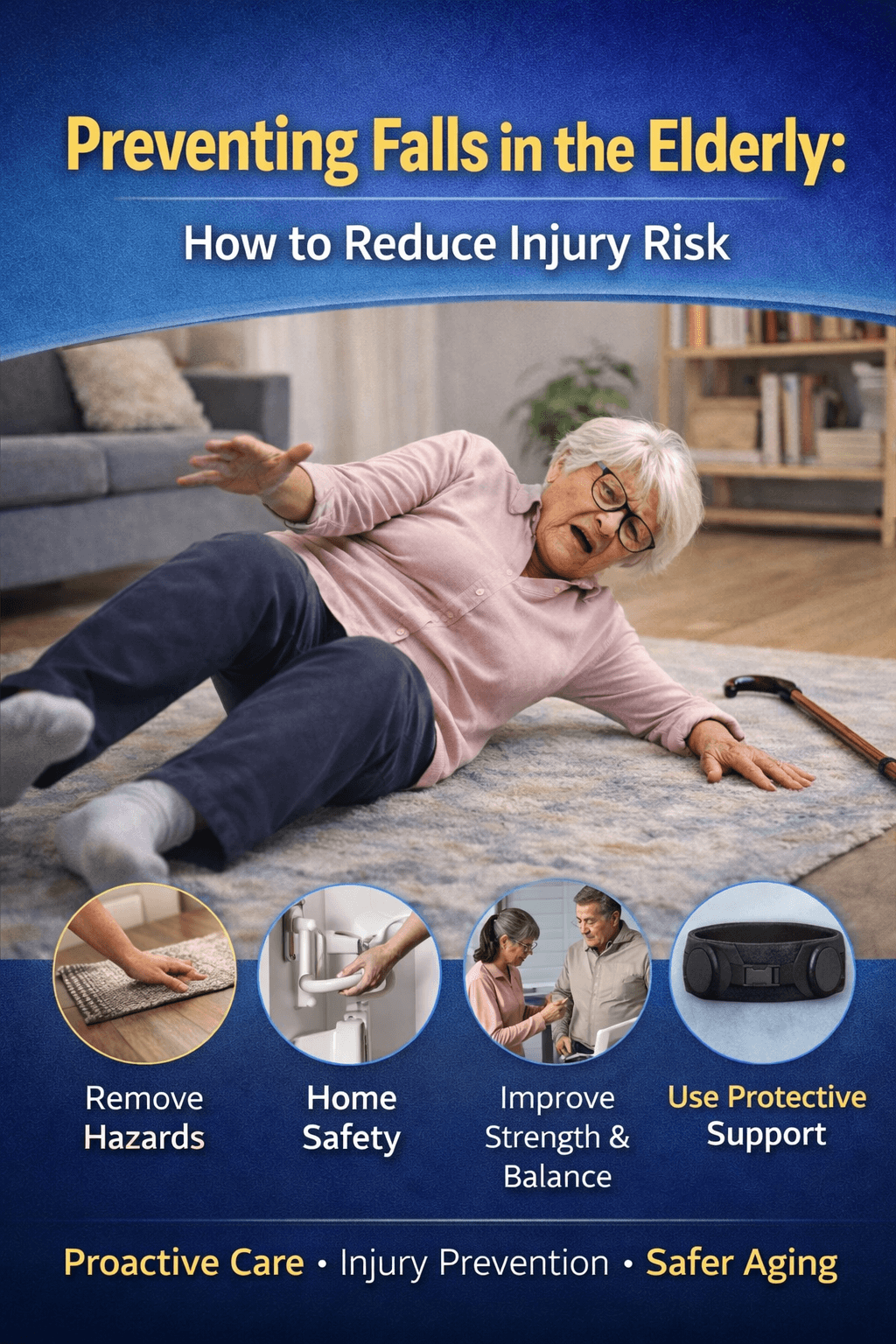
The HipPro Belt helps absorb impact during falls, reducing the risk of serious hip injuries.
Supporting confident movement
Protective support allows seniors to stay active without constant fear of injury.
Caregiver-friendly solutions
Ripple Healthcare products are easy to use and integrate into daily life.
Simple Daily Steps to Reduce Fall Risk
Small lifestyle adjustments can significantly reduce fall risk:
Wear proper footwear
Non-slip, well-fitting shoes improve stability.
Keep frequently used items within reach
Reducing the need to bend or climb lowers fall risk.
Stay physically active
Regular movement helps maintain strength and balance.
Final Message
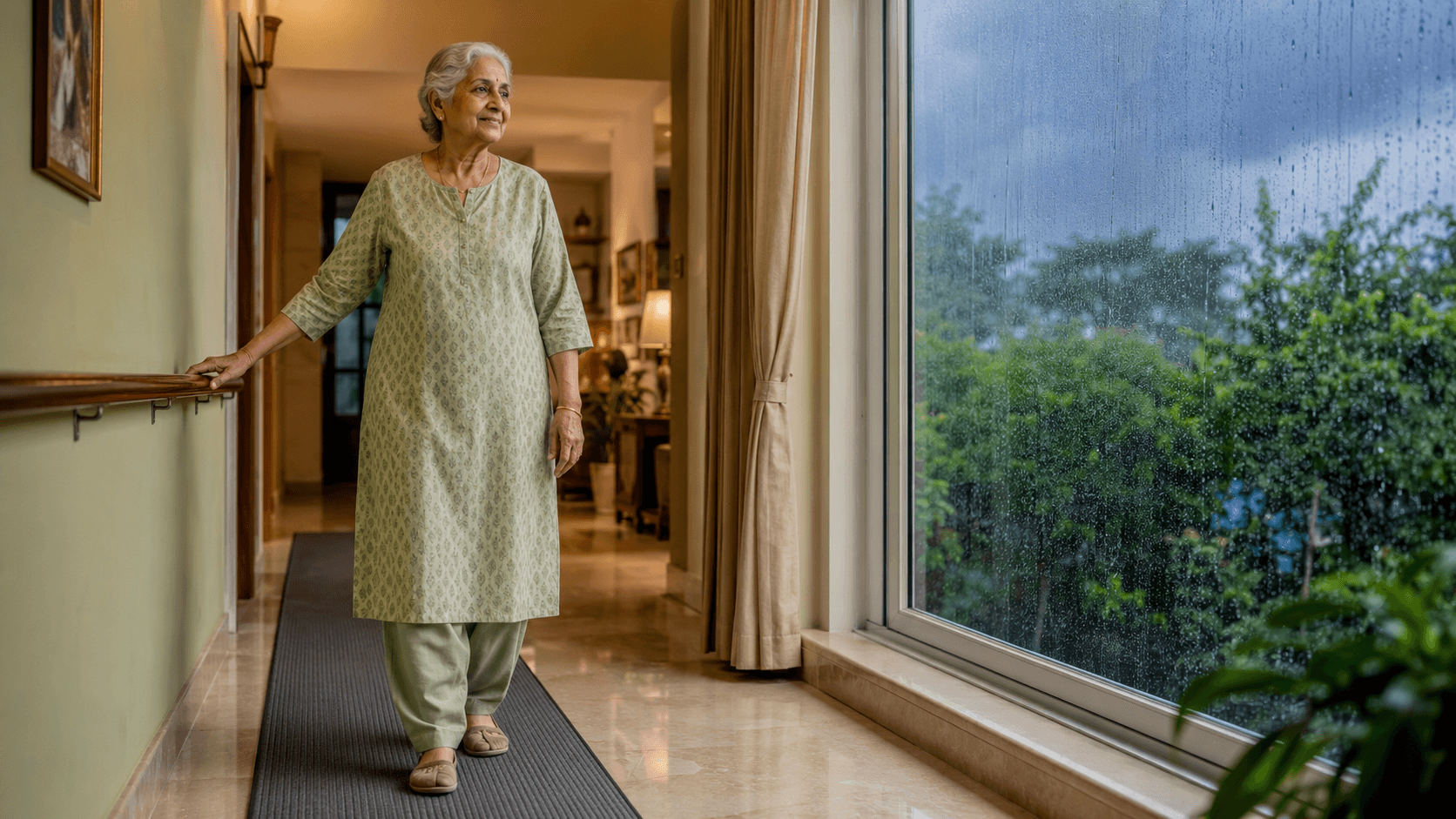
Falls are not an unavoidable part of aging. With awareness, preventive strategies, and protective solutions from Ripple Healthcare, older adults can reduce fall-related injuries and continue living active, dignified, and independent lives.