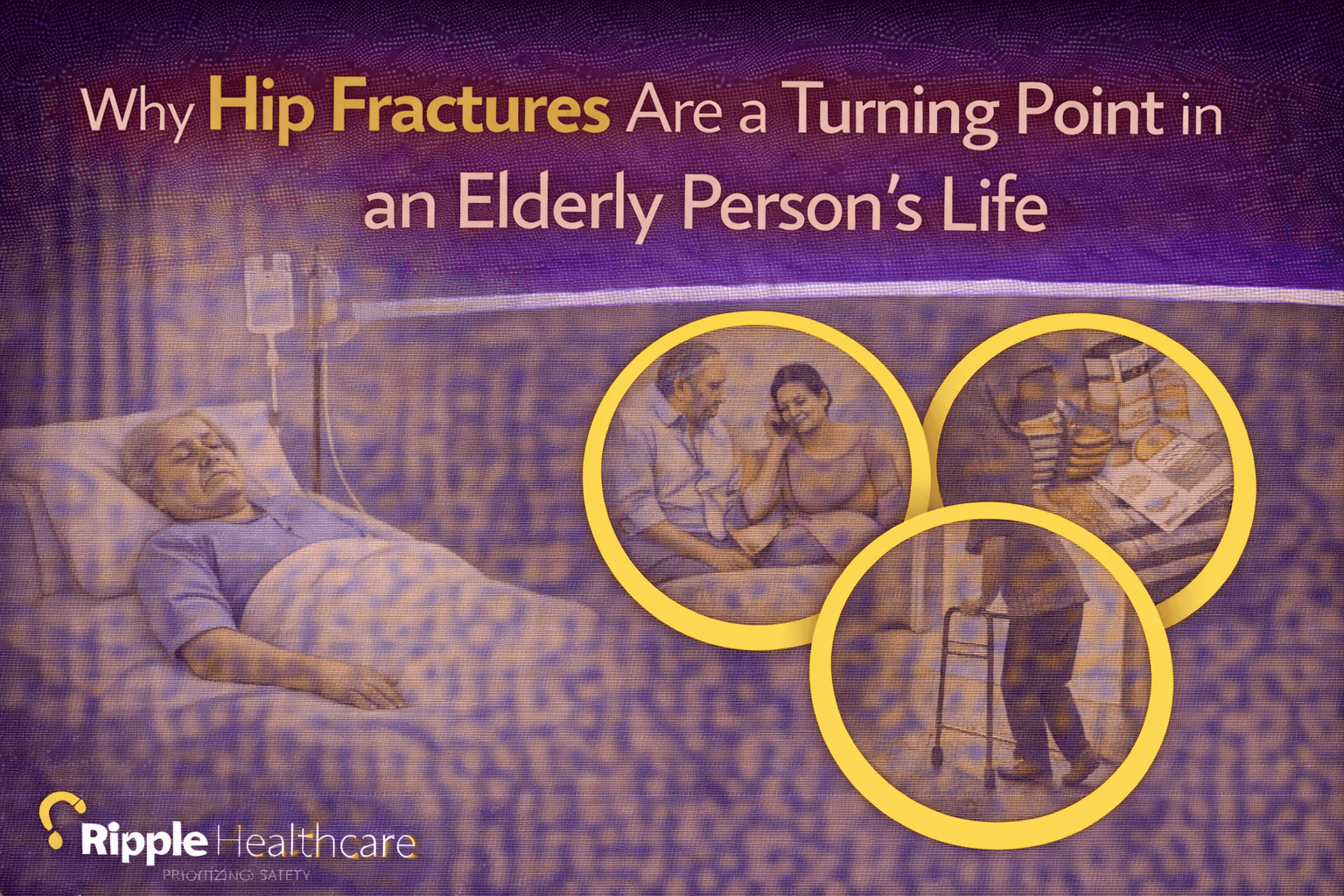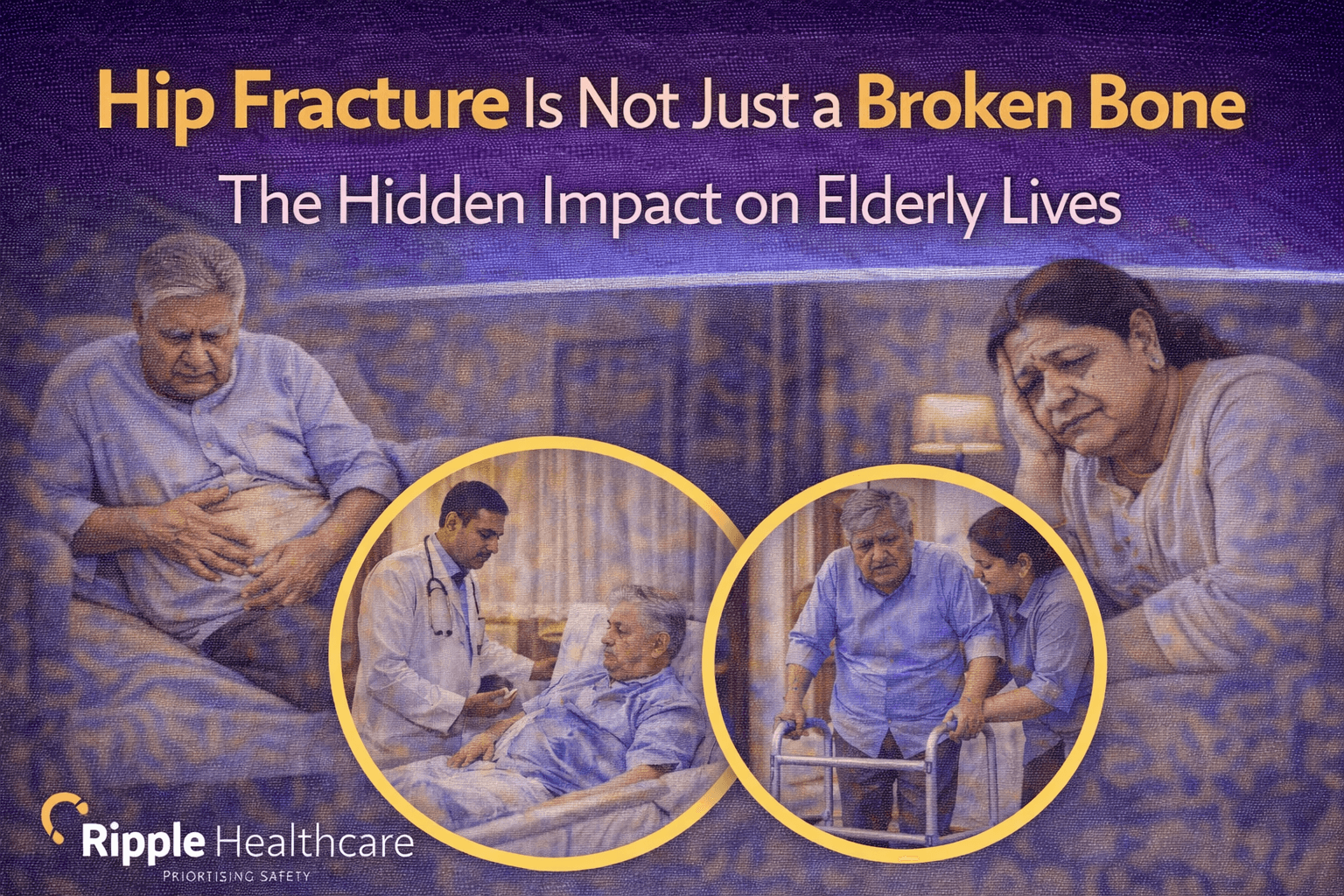


A hip fracture is one of the most serious and life-altering injuries among older adults. It often marks a sudden shift from independence to long-term dependency if not managed with timely medical care and structured elderly support. With the aging population growing rapidly, hip fracture has become a major concern in elderly care, affecting not only physical health but also emotional well-being and quality of life. At Ripple Healthcare, hip fracture prevention and recovery are addressed through a comprehensive approach that combines medical insight, continuous monitoring, and innovative protective solutions like the HipPro Belt.
What Is a Hip Fracture?
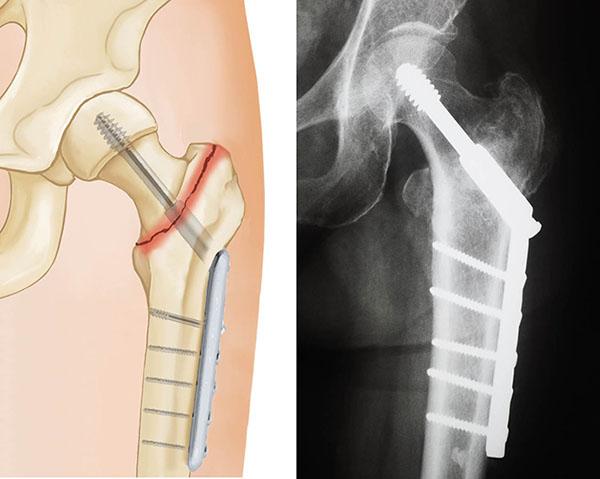
A hip fracture refers to a break in the upper part of the femur (thigh bone), usually occurring near the hip joint. In elderly individuals, hip fractures are most commonly caused by falls, even from standing height. Unlike younger adults, seniors often have:
Reduced bone density (osteoporosis)
Weaker muscles and balance
Slower reflexes
Why Hip Fractures Are Common in the Elderly
Several age-related factors increase the risk of hip fracture:
1. Osteoporosis
Bone density decreases with age, making bones fragile and more likely to break.
2. Increased Fall Risk
Poor balance, muscle weakness, vision problems, and unsafe home environments significantly raise the risk of falls.
3. Chronic Medical Conditions
Conditions such as arthritis, diabetes, Parkinson’s disease, and stroke affect mobility and coordination.
4. Medication Side Effects
Some medications cause dizziness, low blood pressure, or drowsiness, increasing fall risk.
Impact of Hip Fracture on Elderly Independence
The independence of elderly individuals is often severely affected after a hip fracture. Common consequences include:
Prolonged bed rest and limited mobility
Dependence on caregivers for daily activities
Increased risk of complications such as infections and blood clots
Emotional distress, anxiety, and fear of falling again
Treatment and Recovery After Hip Fracture
Hip fracture treatment usually involves surgery followed by a long recovery process. Key stages of recovery include:
Surgical repair or replacement of the hip joint
Pain management and medical monitoring
Physiotherapy and balance training
Nutritional support for bone healing
Gradual return to daily activities
Preventing Hip Fractures: The Most Effective Strategy
Prevention is far more effective than treatment when it comes to hip fractures. Preventive measures include:
Regular bone health assessments
Balance training and strength exercises
Fall-proof home modifications
Continuous monitoring of high-risk seniors
Use of protective and assistive technologies
The Role of the HipPro Belt in Hip Fracture Prevention
One of the most advanced tools in hip fracture prevention is the HipPro Belt, developed as part of Ripple Healthcare’s elderly safety ecosystem. How the HipPro Belt Helps:
Hip Impact Protection:
Designed to reduce the force on the hip during a fall, lowering the risk of fracture
Fall Detection:
Automatically detects falls and triggers alerts
Emergency Response:
Instantly notifies caregivers and family members
Supports Independence:
Allows elderly individuals to move freely while staying protected
Ripple Healthcare’s Comprehensive Hip Fracture Care Approach
Ripple Healthcare focuses on prevention, protection, and recovery through integrated elderly care solutions. Our approach includes:
Continuous health and movement monitoring
Continuous health and movement monitoring
Fall prevention strategies and balance training
Smart safety devices like the HipPro Belt
Support for families and caregivers through real-time alerts
Why Hip Fracture Awareness Matters in Elderly Care
Hip fractures are not inevitable. With the right awareness, preventive care, and smart protective solutions, the risk can be significantly reduced. Effective elderly care focused on hip fracture prevention:
Reduces hospitalizations
Preserves mobility and dignity
Maintains independence of elderly individuals
Improves overall quality of life
Learn More About Ripple Healthcare
To know more about Ripple Healthcare’s elderly care solutions and hip fracture prevention technologies like the HipPro Belt, visit:
https://ripplehealthcare.in
Conclusion
A hip fracture in the elderly is a serious medical and life event—but it does not have to define the future. Through preventive elderly care, continuous monitoring, and innovative solutions like the HipPro Belt, seniors can stay protected while maintaining independence. At Ripple Healthcare, our mission is clear: safeguard elderly lives, reduce fall-related injuries, and empower seniors to age with confidence, safety, and dignity.