

Learn about hip fractures in elderly people, their risks, long-term impact, prevention strategies, and how Ripple Healthcare supports safer aging.
Introduction
A hip fracture is one of the most serious injuries an older adult can face. It often happens suddenly, usually after a fall, but its impact can last a lifetime. From long hospital stays to reduced mobility and loss of independence, hip fractures place a heavy physical, emotional, and financial burden on seniors and their families.
What Is a Hip Fracture?
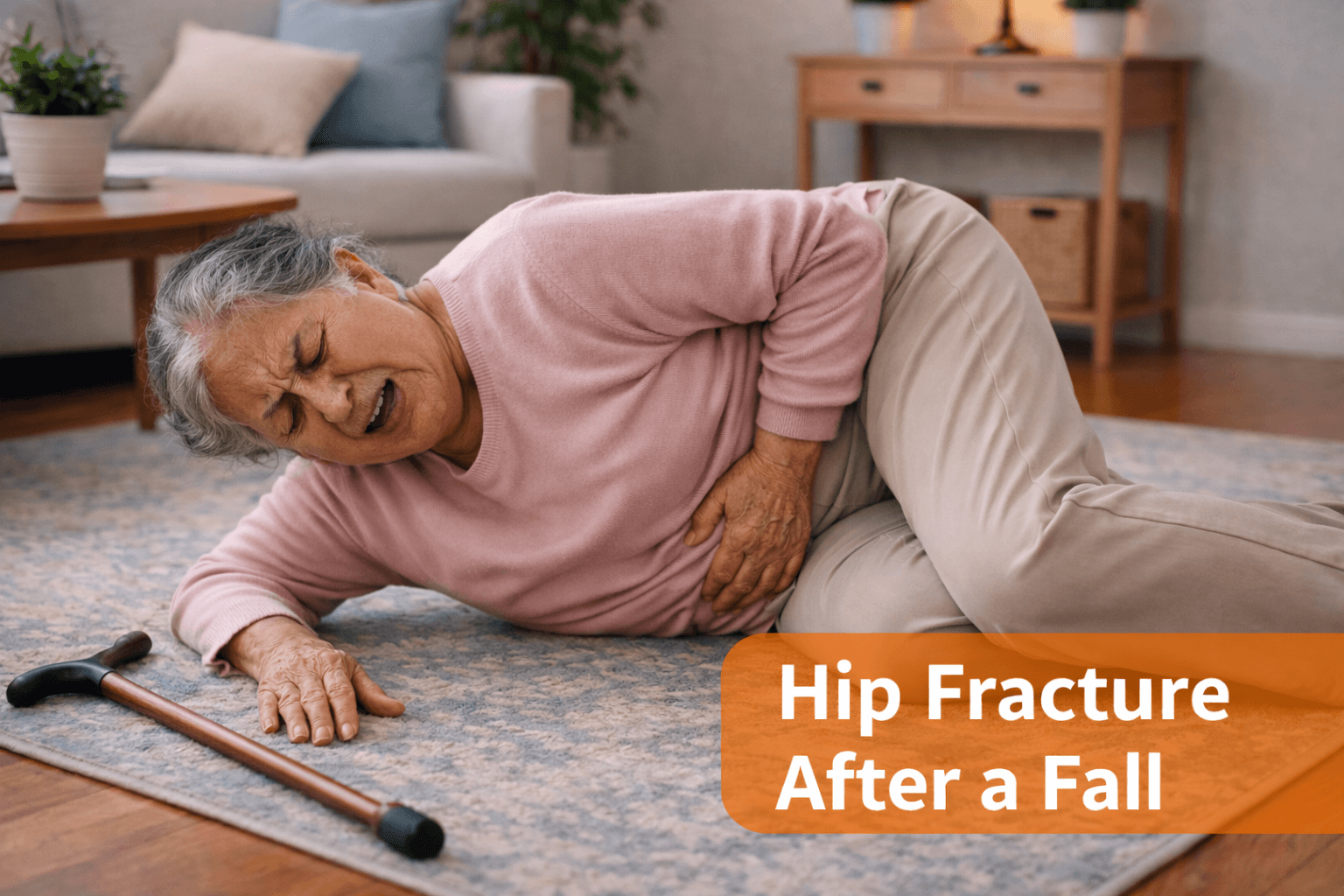
A hip fracture is a break in the upper part of the femur near the hip joint. In elderly people, bones are often weaker due to osteoporosis and age-related bone loss. This means even a simple fall from standing height can cause a serious fracture. Most hip fractures occur because of slipping, tripping, losing balance, or falling in bathrooms and on stairs.
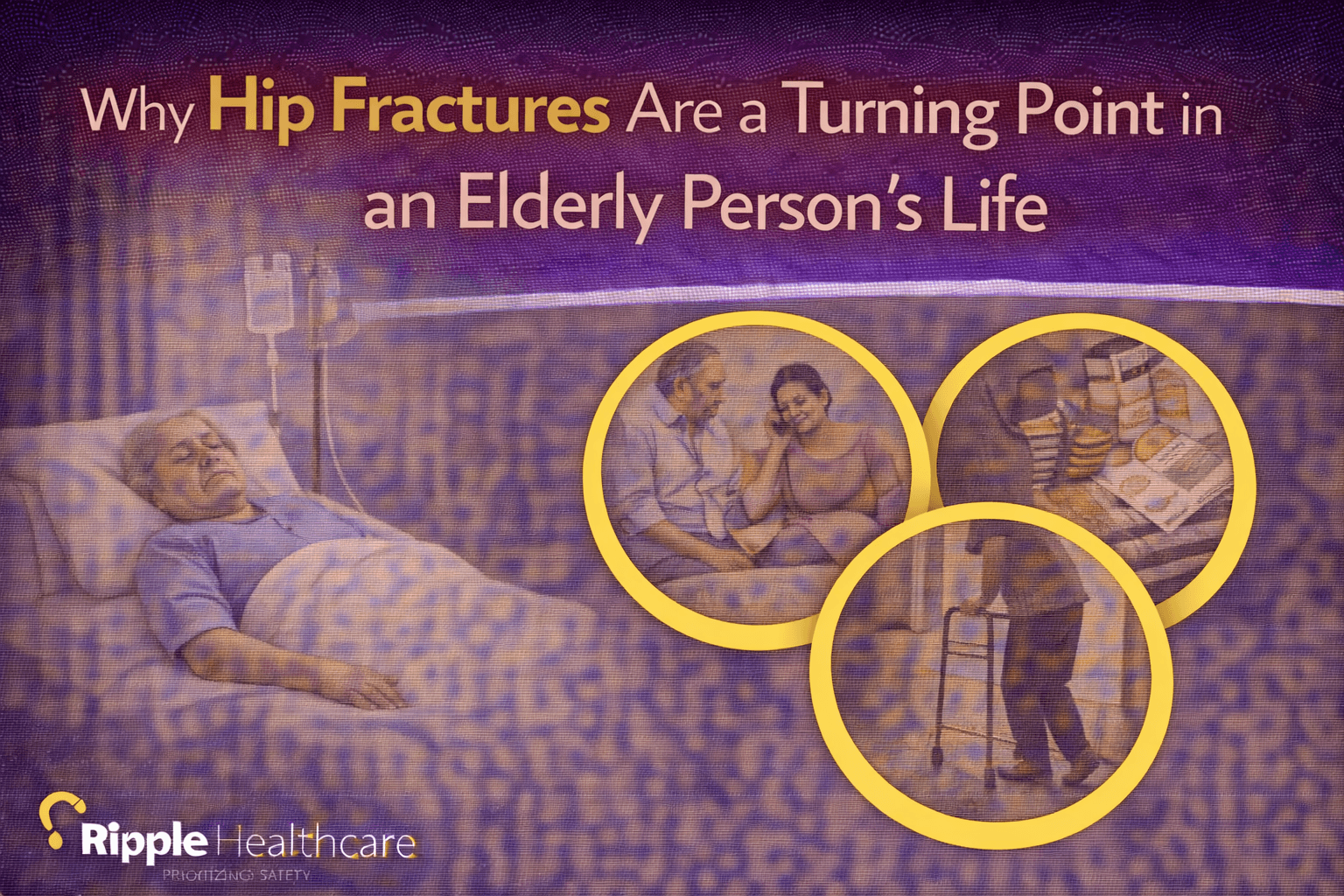
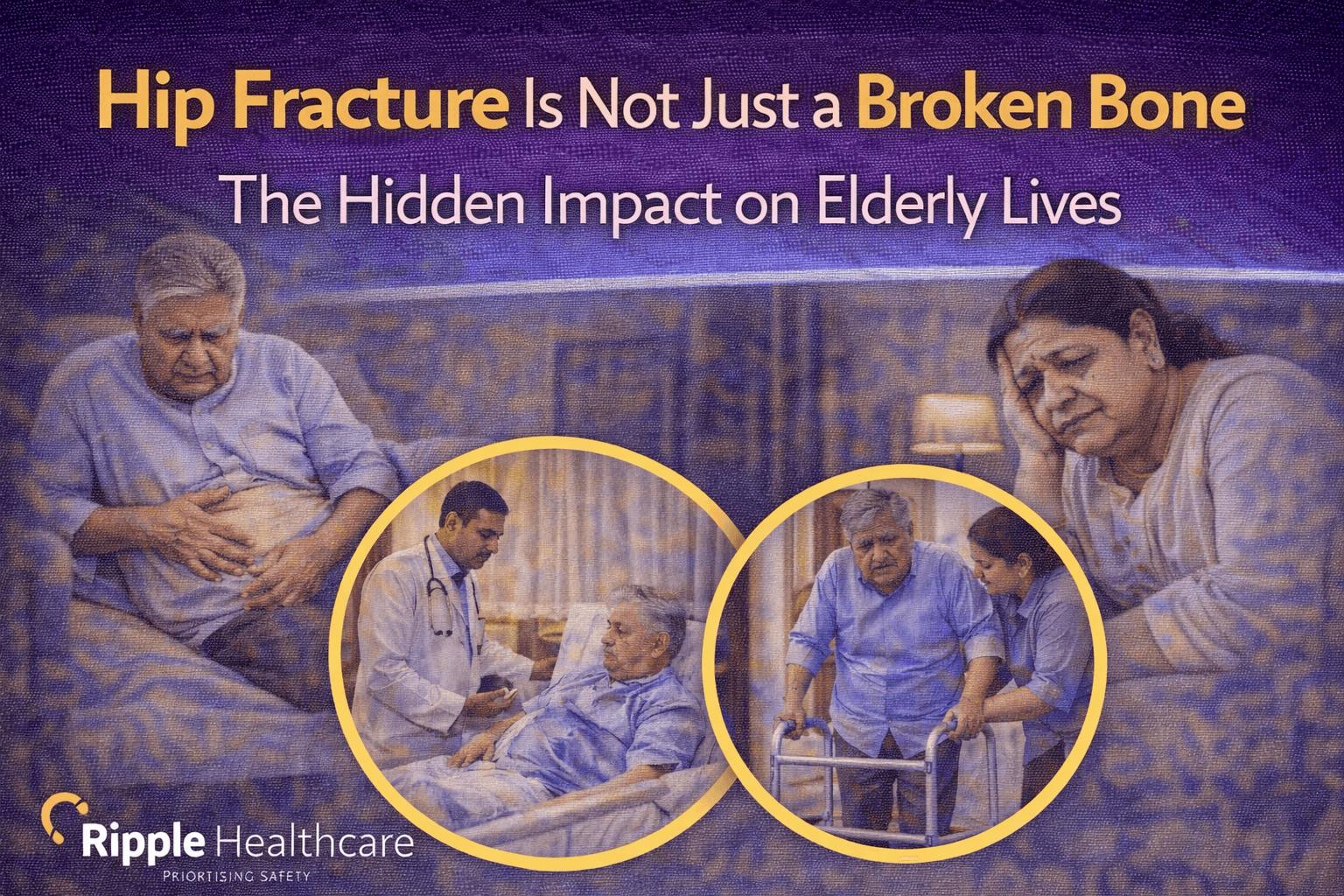
Why Hip Fractures Are So Serious for the Elderly
Hip fractures affect much more than just the bone.
Surgery Is Often Needed
Most hip fractures require surgery, followed by weeks or months of recovery.
Long Rehabilitation
Physiotherapy is needed to regain strength and movement.
Loss of Independence
Many seniors need help with daily activities after a fracture.
Higher Health Risks
Long periods of bed rest can cause infections, blood clots, and muscle weakness.
Emotional Impact
Fear of falling again can lead to anxiety, reduced activity, and social isolation.
Common Risk Factors
Weak muscles, poor balance, vision problems, slippery or uneven floors, certain medications that cause dizziness, osteoporosis, and lack of safety support at home all increase the risk of hip fractures in older adults.
How Hip Fractures Change Daily Life
After a hip fracture, many elderly people use walking aids or wheelchairs, need caregiver support, avoid movement due to fear, and lose confidence and independence. This can affect mental health, social life, and overall quality of life.
Preventing Hip Fractures
Prevention focuses on two main goals: reducing falls and reducing injury during a fall.
Improve Strength and Balance
Simple exercises help improve stability and coordination.
Make Homes Safer
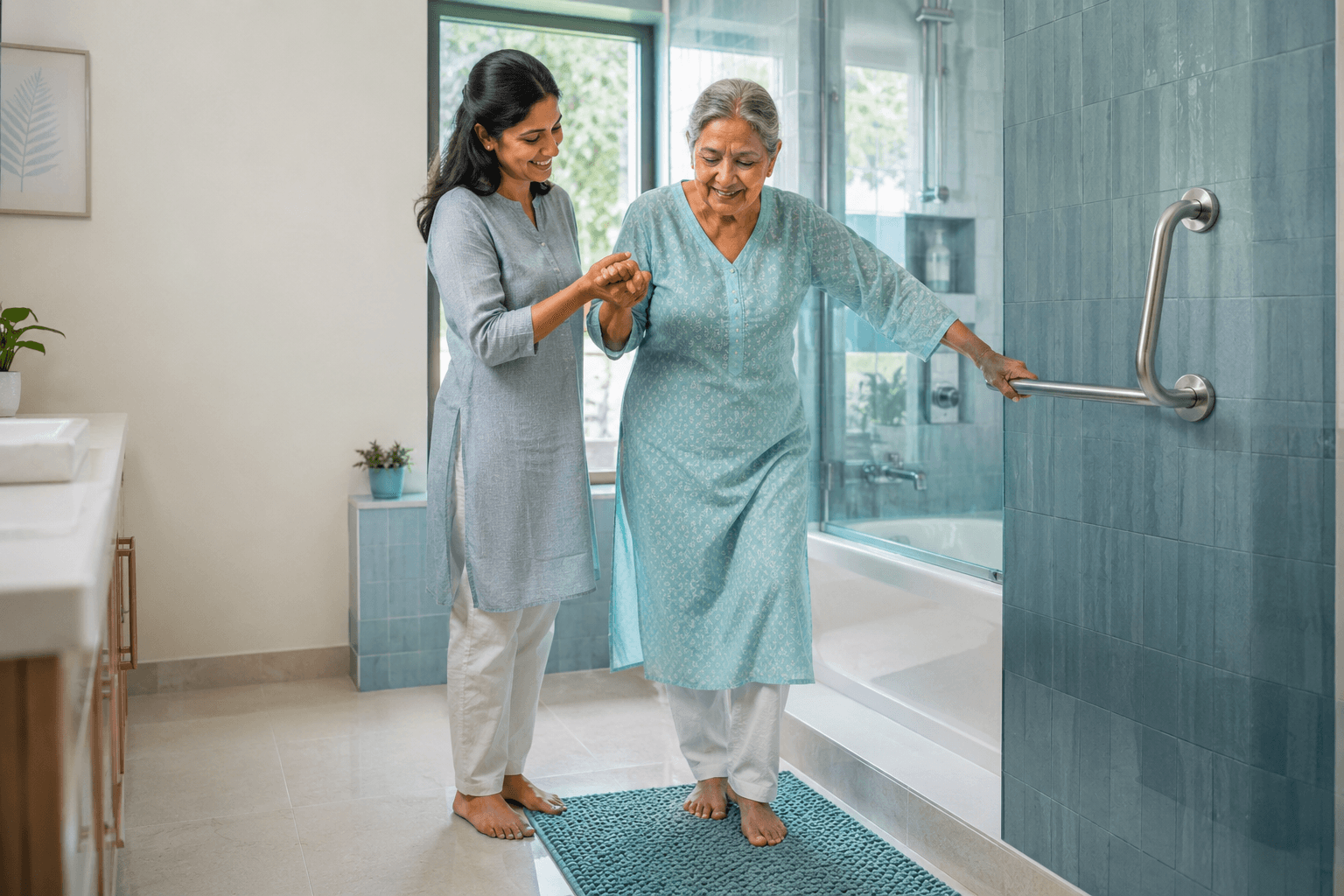
Install grab bars, remove loose rugs, improve lighting, and use non-slip mats.
Regular Health Checkups
Vision tests and medication reviews reduce fall risk.
Wear Proper Footwear
Non-slip, supportive shoes provide better stability.
Use Protective Technology
Modern safety devices can reduce the impact of falls.
Ripple Healthcare: Supporting Safer Aging
Ripple Healthcare is dedicated to protecting older adults from serious fall-related injuries, especially hip fractures. Their mission is to combine innovation with comfort to help seniors live safer, more confident lives. To learn more or speak with the Ripple Healthcare team, visit https://ripplehealthcare.in/contact.
HipPro Belt: Smart Protection for the Hips
The HipPro Belt is a wearable safety device that protects the hips during a fall. It detects sudden falls, inflates protective cushions around the hips, absorbs impact before the hip hits the ground, reduces the risk of serious fractures, and offers peace of mind to families and caregivers.
Who Can Benefit Most?
The HipPro Belt is ideal for seniors living alone, elderly people with weak balance, individuals with osteoporosis, post-surgery patients, and residents of care homes.
Combining Prevention with Protection
Exercise and home safety reduce the risk of falling, while protective devices reduce the severity of injury. Together, they create a safer environment for elderly people.
Conclusion
Hip fractures are not just medical injuries, they can change a person’s life forever. With proper awareness, fall-prevention strategies, and innovative solutions from Ripple Healthcare, many of these injuries can be avoided. Protecting our elders means protecting their independence, dignity, and quality of life.