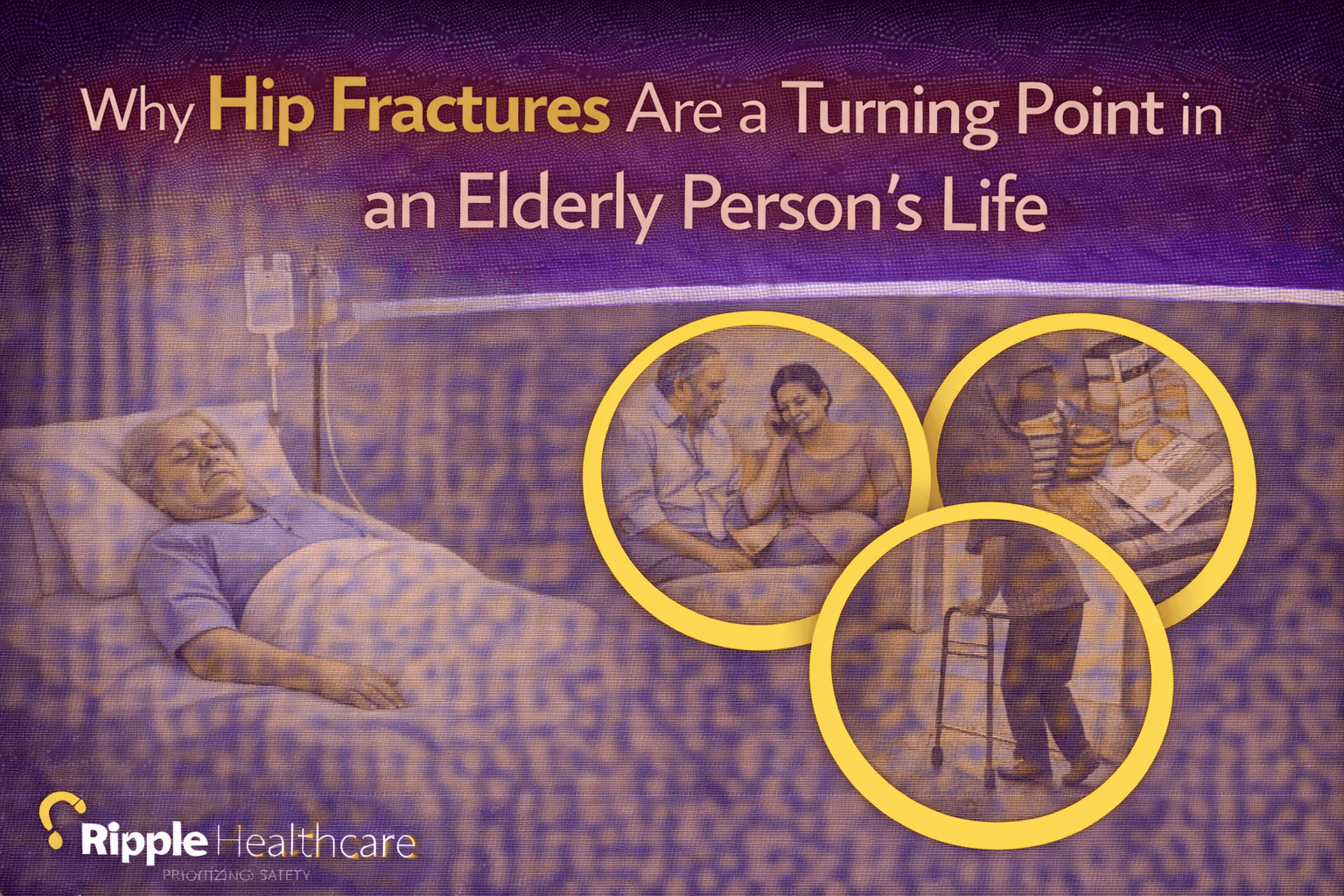



A fall that seems minor at first can change everything for an older adult. Among people aged 65 years and above, hip injuries are one of the most serious consequences of falls—often leading to loss of independence, long hospital stays, and significant emotional stress for both patients and families. Understanding why these injuries happen, how to prevent them, and what recovery really looks like can make a meaningful difference.
Why Hip Injuries Are So Common After 65
As we age, several natural changes increase vulnerability to hip injuries:
Reduced bone density (osteoporosis)
Bones become weaker and more prone to fractures, even after low-impact falls.
Poor balance and muscle strength
Age-related muscle loss and slower reflexes increase fall risk.
Vision and hearing changes
Difficulty judging depth or detecting hazards can lead to missteps.
Chronic conditions & medications
Diabetes, arthritis, Parkinson’s disease, and sedatives or blood-pressure drugs can affect balance and alertness.
Common Types of Hip Injuries in the Elderly
Hip fractures
The most severe and common injury—often involving the femoral neck or intertrochanteric region. These usually require surgery and prolonged rehabilitation.
Hip dislocations
Less common, but painful and disabling, often occurring after significant trauma or in people with prior hip replacements.
Soft tissue injuries
Bruising, muscle tears, or ligament injuries may not show on X-rays but can still cause long-term pain and mobility issues.
Why Hip Injuries Are So Serious
Hip injuries in older adults are not “just another fracture.” They can trigger a cascade of complications:
Loss of mobility and independence
Long hospital stays and risk of infections
Blood clots and pressure sores due to immobility
Decline in confidence, fear of falling again, and depression
Treatment and Recovery: What to Expect
Surgical management
Most hip fractures require surgery, often within 24–48 hours, to reduce complications.
Pain control and early mobilization
Getting the patient moving early (with support) is crucial.
Physiotherapy and rehabilitation
This may continue for weeks or months, focusing on strength, balance, and walking confidence.
Support systems
Family involvement, home modifications, and assistive devices play a key role in recovery.
Preventing Hip Injuries: Small Steps, Big Impact
Prevention is far more effective—and humane—than treatment. Key strategies include:
Fall-proofing the home
Remove loose rugs, improve lighting, add grab bars in bathrooms.
Strength and balance exercises
Simple routines or supervised physiotherapy can dramatically reduce fall risk.
Bone health management
Adequate calcium, vitamin D, and screening for osteoporosis.
Proper mobility support
Using canes, walkers, or supportive belts when needed—without stigma.
A Final Word
Hip injuries after 65 are not inevitable—but they are common, serious, and often life-altering. With better awareness, proactive prevention, and timely care, many older adults can avoid these injuries or recover with dignity and independence intact.