

When it comes to elderly hip injuries, families often focus on surgery after a fracture occurs. However, preventive hip protection can significantly reduce the risk and severity of hip injuries. This blog compares hip protection and hip surgery, explaining benefits, limitations, and why prevention-first approaches are critical for elderly safety.
Why Hip Injuries Are a Major Concern in the Elderly
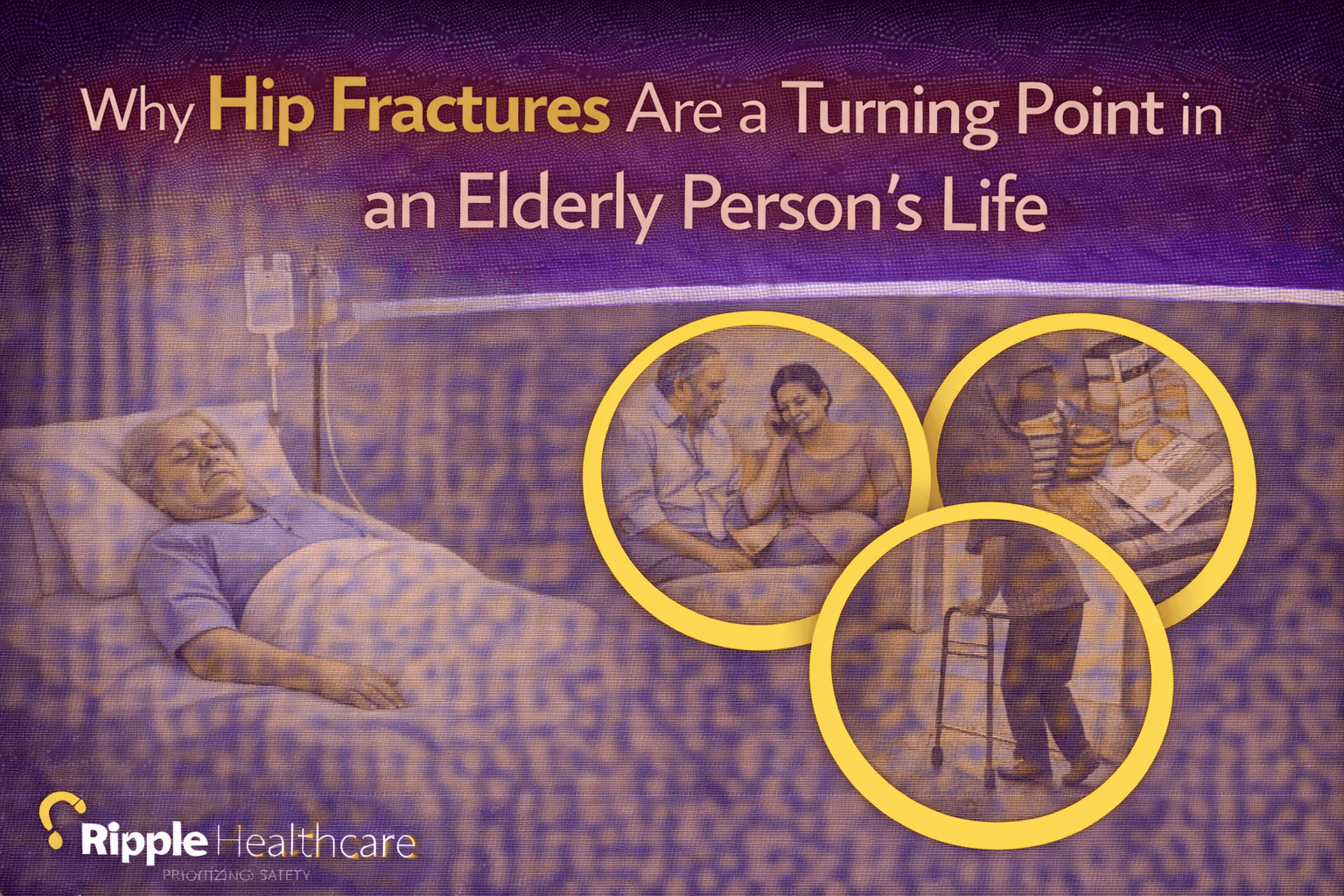
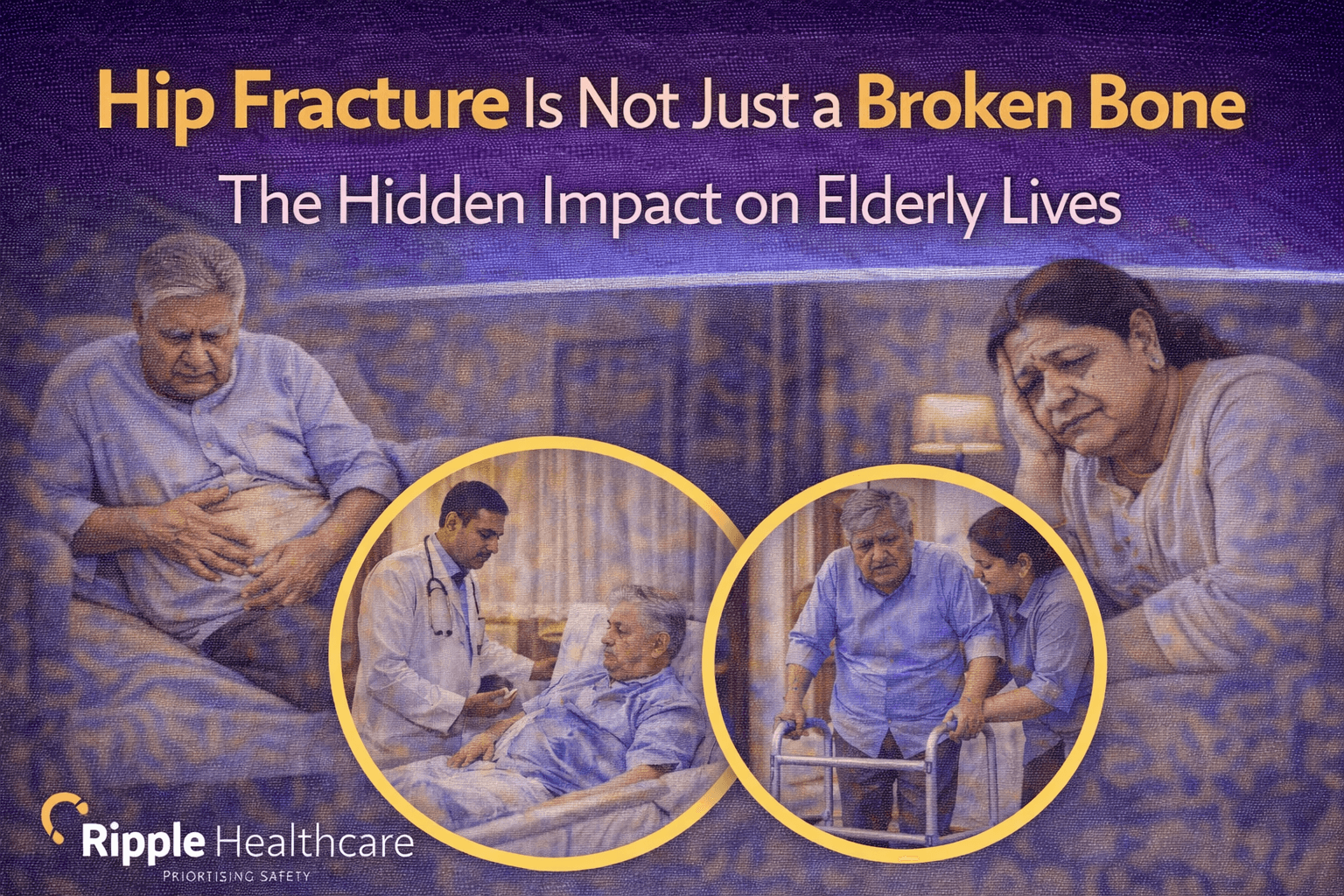
Hip fractures are among the most serious injuries in older adults. Often caused by simple falls, they can lead to surgery, long hospital stays, loss of mobility, and permanent lifestyle changes. Understanding available options is essential for families making care decisions.
Understanding Hip Surgery in the Elderly
Hip surgery is commonly required after a fracture has already occurred. While surgery can stabilize the bone, it comes with challenges for elderly patients:
Major medical intervention
Surgery involves anesthesia, hospitalization, and surgical risks.
Long recovery period
Rehabilitation often takes months and may not restore full mobility.
Risk of complications
Infections, blood clots, and post-surgical weakness are common concerns.
Emotional and financial burden
Surgery impacts mental health, caregivers, and family finances.
What Is Hip Protection?
Hip protection focuses on preventing fractures or reducing injury severity during falls. Instead of treating injuries after they happen, hip protection aims to protect the body at the moment of impact.
Benefits of Hip Protection for Seniors
Preventive hip protection offers several advantages:
Reduced risk of hip fractures
Impact-absorbing protection lowers the force transferred to the hip during falls.
Non-invasive solution
No surgery, hospitalization, or medical recovery is required.
Supports independent living
Seniors can remain active and confident.
Lower overall healthcare burden
Prevention helps reduce medical costs and caregiver stress.
Hip Protection vs Hip Surgery: A Simple Comparison
Both approaches play different roles in elderly care:
Hip surgery
Necessary after fractures but involves significant recovery and risk.
Hip protection
Proactive approach that works before injuries occur.
Why Prevention Should Come First
Once a hip fracture occurs, options become limited and recovery uncertain. Preventive strategies like balance improvement, home safety, and hip protection significantly improve long-term outcomes.
How Ripple Healthcare Supports Hip Injury Prevention
Ripple Healthcare focuses on preventive elderly care to reduce fall-related injuries:
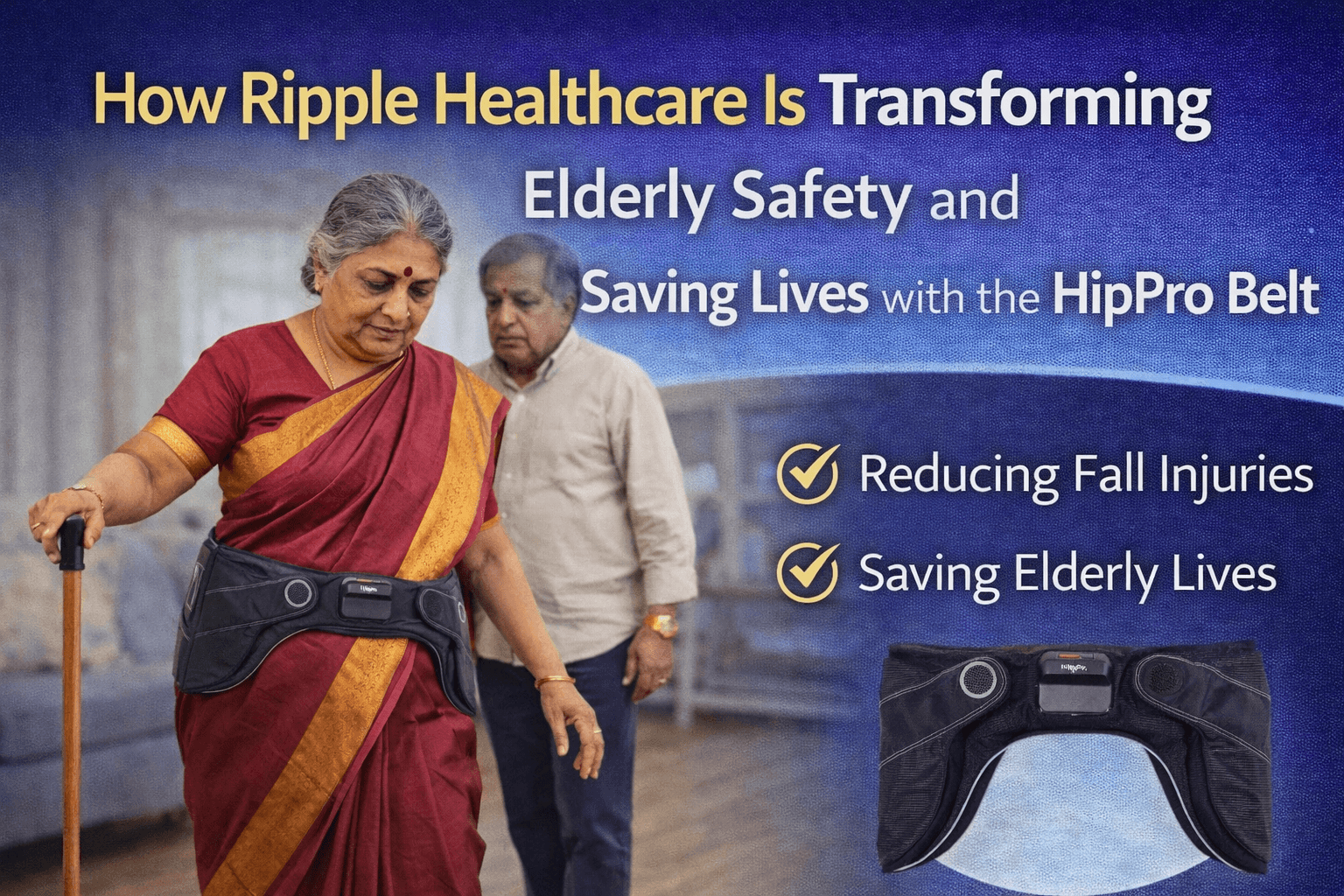
HipPro Belt for impact protection
The HipPro Belt is designed to absorb and distribute impact forces during falls, reducing the risk of hip fractures.
Designed for daily comfort
Comfortable and discreet design encourages regular use without affecting mobility.
Supporting confident movement
Protective solutions help seniors stay active without fear of severe injury.
When Families Should Consider Hip Protection
Hip protection is especially valuable for seniors who:
Have a history of falls
Previous falls significantly increase future risk.
Have poor balance or weak legs
Reduced stability increases injury risk.
Live independently
Independent seniors benefit greatly from preventive protection.
Learn More or Take the Next Step
To learn more about Ripple Healthcare and its preventive elderly care solutions, visit https://www.ripplehealthcare.in. For questions or guidance, contact the team at https://www.ripplehealthcare.in/contact. To explore or purchase the HipPro Belt, visit https://www.ripplehealthcare.in/Buynow.
Final Thoughts
Hip surgery can save lives after a fracture—but preventing the fracture in the first place is far better. By combining awareness, fall prevention, and hip protection solutions from Ripple Healthcare, families can take a proactive approach to elderly safety and independence.