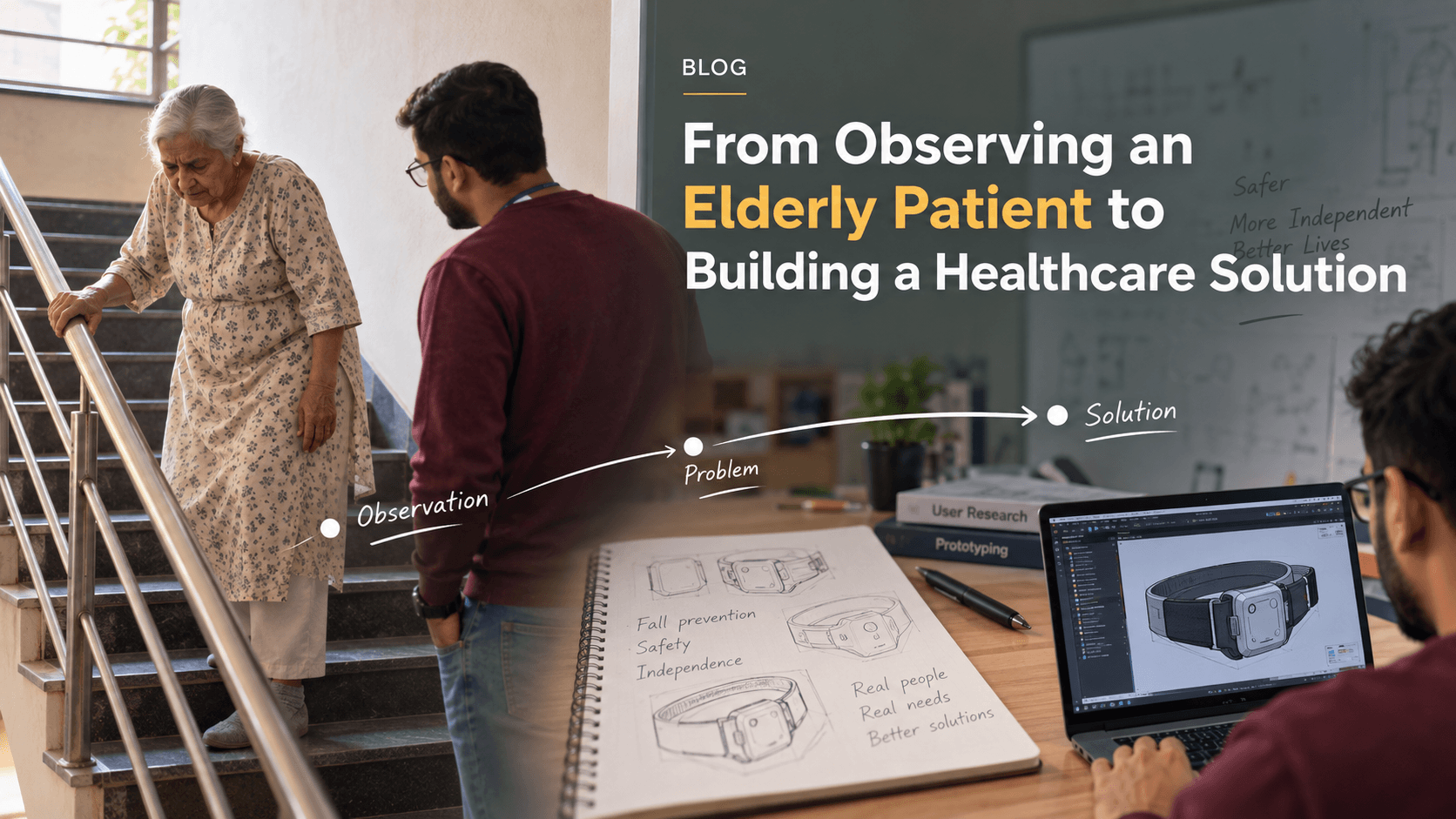



Falls are one of the most underestimated health crises facing older adults today — and the true cost goes far beyond a broken bone. In this article, we explore the hidden financial, emotional, and physical toll of falls, why waiting for the first fall to act is already too late, and how proactive prevention powered by modern technology can help older adults stay confident, independent, and safe for longer.
Understanding the Scope of the Problem
Falls are among the leading causes of injury-related hospitalizations and disability in older adults. As people age, natural physiological changes can affect balance, muscle strength, coordination, vision, and reaction time. Chronic conditions such as arthritis, Parkinson’s disease, diabetes, stroke, and cardiovascular disorders can further increase fall risk. Importantly, falls rarely result from a single factor. Instead, they are often caused by a combination of physical, environmental, and behavioral risks that increase the likelihood of losing balance or mobility
Age-Related Physical Changes
Natural aging can affect balance, muscle strength, coordination, vision, and reaction time, increasing the likelihood of falls.
Chronic Health Conditions
Conditions such as arthritis, Parkinson’s disease, diabetes, stroke, and cardiovascular disorders can significantly increase fall risk.
Medication Side Effects
Certain medications may cause dizziness, confusion, drowsiness, or reduced stability, making falls more likely.
Environmental Hazards
Poor lighting, uneven flooring, cluttered walkways, and unsafe home environments can contribute to accidental falls.
Mobility and Muscle Weakness
Reduced mobility and weakened muscles can make everyday movements more challenging and increase the risk of losing balance.
Multiple Risk Factors
Falls often result from a combination of physical, environmental, and behavioral factors rather than a single cause.
The Financial Burden of Falls
The economic burden associated with falls is substantial. Emergency care, hospitalization, surgery, rehabilitation, assistive devices, and long-term care services create significant healthcare expenditures. Hip fractures alone can require extensive medical intervention and months of recovery. Beyond direct medical costs, indirect expenses can be equally significant. Family members may need to reduce work hours or leave employment to provide care. Older adults who lose mobility may require home modifications, mobility aids, or assisted living support.
Emergency Medical Care
Falls frequently result in emergency room visits, diagnostic testing, and immediate medical treatment.
Hospitalization and Surgery
Serious injuries such as fractures often require hospitalization, surgery, and specialized medical care.
Rehabilitation Costs
Recovery may involve physiotherapy, occupational therapy, and extended rehabilitation programs.
Long-Term Care Needs
Some individuals require ongoing support services, assisted living, or nursing care after a fall.
Family Caregiver Burden
Caregivers may experience financial strain due to reduced work hours and increased caregiving responsibilities.
Growing Economic Impact
As populations age, the overall financial burden of fall-related injuries is expected to continue rising.
The Human Cost: Loss of Independence and Confidence
While financial costs are important, the human impact of falls is often even greater. Many older adults experience a profound loss of confidence following a fall. This fear of falling can lead individuals to limit physical activity, avoid social interactions, and reduce participation in daily activities. Unfortunately, reduced activity often accelerates physical decline. In many cases, a single fall can mark the beginning of a gradual loss of independence and quality of life.
Fear of Falling
A fall can create lasting anxiety that affects daily movement and confidence.
Reduced Physical Activity
Older adults may avoid exercise or movement, leading to further physical decline.
Social Isolation
Concerns about mobility can reduce participation in social and community activities.
Mental Health Effects
Falls are often associated with anxiety, depression, and emotional distress.
Loss of Independence
Difficulty performing daily tasks can increase reliance on family members and caregivers.
Reduced Quality of Life
Physical and emotional limitations can significantly affect overall well-being.
Why Prevention Must Begin Early
Traditionally, fall prevention interventions are introduced only after an individual has experienced a fall or injury. However, by that stage, significant physical and psychological consequences may already have occurred. A proactive approach focuses on identifying risk factors before a fall happens. Early assessment of balance, gait, strength, mobility, and environmental risks allows healthcare providers to implement targeted interventions that can reduce future incidents.
Early Risk Assessment
Identifying risk factors before a fall occurs enables timely intervention.
Mobility Evaluation
Assessing balance, gait, and movement patterns helps detect early warning signs.
Strength and Balance Training
Targeted exercise programs can improve stability and reduce fall risk.
Medication Reviews
Reviewing medications can help identify side effects that increase fall risk.
Vision and Nutrition Support
Addressing vision issues and nutritional deficiencies can improve mobility and safety.
Home Safety Improvements
Simple environmental modifications can significantly reduce hazards.
The Role of Technology in Fall Prevention
Advances in healthcare technology are transforming how fall risk is assessed and managed. Modern mobility assessment tools, wearable sensors, and digital monitoring systems enable clinicians to identify subtle changes in movement patterns that may indicate increased risk. Data-driven approaches provide objective measurements of gait stability, balance performance, and functional mobility. This allows healthcare professionals to make more informed decisions and personalize interventions for individual patients.
Wearable Sensors
Wearable devices can continuously monitor mobility and detect changes in movement patterns.
Mobility Assessment Tools
Advanced technologies provide objective measurements of gait and balance.
Data-Driven Insights
Real-time data helps clinicians identify risk factors more accurately.
Personalized Care Plans
Technology supports customized interventions based on individual mobility needs.
Continuous Monitoring
Remote monitoring allows risk assessment outside traditional clinical settings.
Proactive Prevention
Technology helps shift fall prevention from a reactive to a proactive healthcare model.
Building a Culture of Prevention
Effective fall prevention requires collaboration among healthcare professionals, caregivers, policymakers, and older adults themselves. Education plays a critical role in raising awareness about risk factors and encouraging preventive action. Routine mobility assessments should become a standard component of healthy aging programs. Most importantly, fall prevention should be viewed as an ongoing process rather than a one-time intervention.
Education and Awareness
Increasing awareness helps individuals recognize and address fall risks early.
Routine Screening
Regular fall-risk assessments support early detection and intervention.
Healthcare Integration
Fall prevention should be incorporated into primary care and rehabilitation services.
Caregiver Empowerment
Families and caregivers should be equipped with knowledge and practical safety strategies.
Community Involvement
Community health initiatives can promote safer mobility and healthy aging.
Ongoing Reassessment
Risk factors change over time, making regular monitoring essential.
Looking Ahead
As healthcare increasingly shifts toward preventive and personalized care, fall prevention represents one of the most impactful opportunities to improve outcomes for older adults. Preventing even a single fall can help preserve independence, reduce healthcare costs, and enhance quality of life. The hidden cost of falls extends far beyond the initial injury. By recognizing risks early and embracing proactive prevention strategies, healthcare providers and communities can help older adults remain active, confident, and independent for longer.
Preserve Independence
Preventing falls helps older adults maintain autonomy and confidence.
Improve Quality of Life
Safer mobility supports physical, emotional, and social well-being.
Reduce Healthcare Costs
Early intervention can prevent expensive treatments and long-term care needs.
Support Healthy Aging
Proactive prevention contributes to healthier and more active aging.
Encourage Early Action
Identifying and addressing risks before a fall occurs delivers the greatest benefit.
A Safer Future
Prevention-focused care can help create better long-term outcomes for older adults.