


Watching a loved one gradually forget familiar faces, misplace keys repeatedly, or struggle with daily routines can be heartbreaking. When dementia enters a family, it changes the rhythm of everyday life—not just for the person diagnosed, but for everyone around them. Dementia isn’t a single disease; it’s a group of cognitive conditions that affect memory, thinking, judgment, and the ability to perform everyday activities. The most common type is Alzheimer’s disease, but all forms of dementia share similar challenges for families and caregivers.
What Is Dementia?
Dementia begins subtly. At first, there may be small lapses in memory—forgetting names, misplacing objects, or repeating questions. As it progresses, it affects thinking, judgment, language, and behavior. Everyday tasks like cooking, managing money, remembering appointments, or even recognizing loved ones can become difficult. This progression disrupts independence and safety, and requires increasing levels of support over time.
The Emotional Impact
For many families, one of the hardest parts of dementia is the emotional shift. It’s not just forgetting things; it’s watching someone you love lose pieces of themselves. At earlier stages, the person may be aware of their lapses and feel frustrated or anxious. Later, they may become confused about time, place, or familiar people. These changes can be challenging emotionally for both the person with dementia and their caregivers.
Creating a Safe and Supportive Environment
Safety becomes a priority early on. Simple changes at home can make a big difference. Clear walkways, well-lit rooms, and removing tripping hazards help reduce falls. Organizing daily routines and labeling cabinets or rooms can make tasks easier to navigate. Familiar objects and a consistent schedule often help reduce confusion and agitation. Supporting a parent with dementia also means protecting their dignity. Speak clearly, use simple language, and give one instruction at a time. Patience and empathy are essential; a calm voice and gentle reassurance can go a long way when they feel disoriented or distressed.
Communication and Connection
Even as memory fades, emotional connection remains powerful. Try to focus communication on feelings rather than facts. For example, instead of correcting a mistaken story, validate the underlying sentiment and gently steer the conversation to a comforting topic. Engaging in familiar music, pictures, or gentle activities like folding laundry together can foster connection without demanding too much mental effort.
Monitoring Safety and Movement
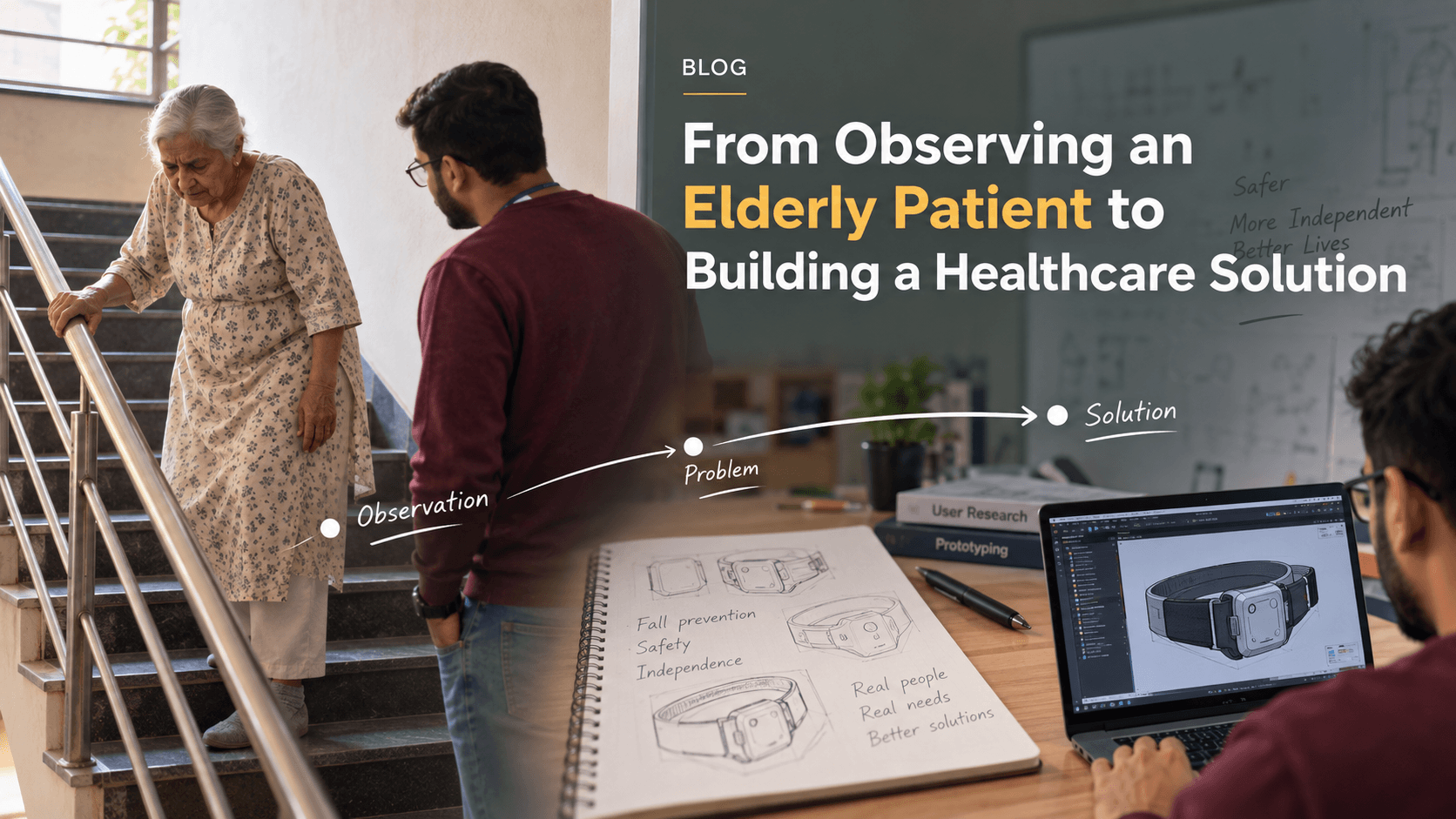
As dementia progresses, there is an increased risk of wandering and getting lost. This is where technology can offer support and peace of mind. Ripple Healthcare’s “Raksha” smartwatch, designed with elderly safety in mind, includes advanced features such as geo-fencing, fall detection, and GPS tracking that help ensure your parent’s safety even when they are mobile. Geo-fencing allows caregivers to set safe zones, and alerts are sent if the wearer moves beyond these boundaries. The watch also offers fall detection and SOS alerts, making it easier to get help quickly if your loved one falls or needs immediate assistance.
Practical Daily Care Strategies
Over time, daily caregiving needs increase. Meal preparation, medication reminders, and personal hygiene support may become necessary. It helps to break tasks into smaller steps and involve your parent as much as possible in decisions. Encourage independence where safe and appropriate, while always being ready to step in with support. Caregiver fatigue is real. It’s important to build a support network—whether through other family members, community resources, or professional caregivers—to ensure you can take breaks and care for your own well-being. Support groups can also provide emotional reassurance and practical tips from others experiencing similar journeys.
Long-Term Preparation
Planning for the future is part of responsible care. This includes discussing legal and financial matters while your parent can still participate in decision-making, such as advance directives and power of attorney. Working with healthcare professionals who specialize in dementia care can help tailor a plan that fits your parent’s evolving needs.
Final Words
Caring for a parent with dementia is a journey filled with challenges, love, patience, and adaptation. While the disease may take away memories and independence, the compassion, presence, and support you provide help preserve dignity and quality of life. If you’re considering tools to support safety and connectivity for your loved one, the “Raksha” smartwatch from Ripple Healthcare, with features like geo-fencing, fall detection, and emergency alerts, can be an invaluable aid. To explore or purchase this watch, you can contact Ripple Healthcare directly for details and ordering.