

Walking is something most of us learned as children—and then stopped thinking about. Yet, among all forms of physical activity, walking remains one of the most powerful, accessible, and underrated tools for health, especially as we grow older. It requires no equipment, no gym membership, and no special skills—just consistency. Whether you are young, elderly, recovering from illness, or caring for aging parents, walking offers benefits that go far beyond fitness.
Improves Heart and Lung Health
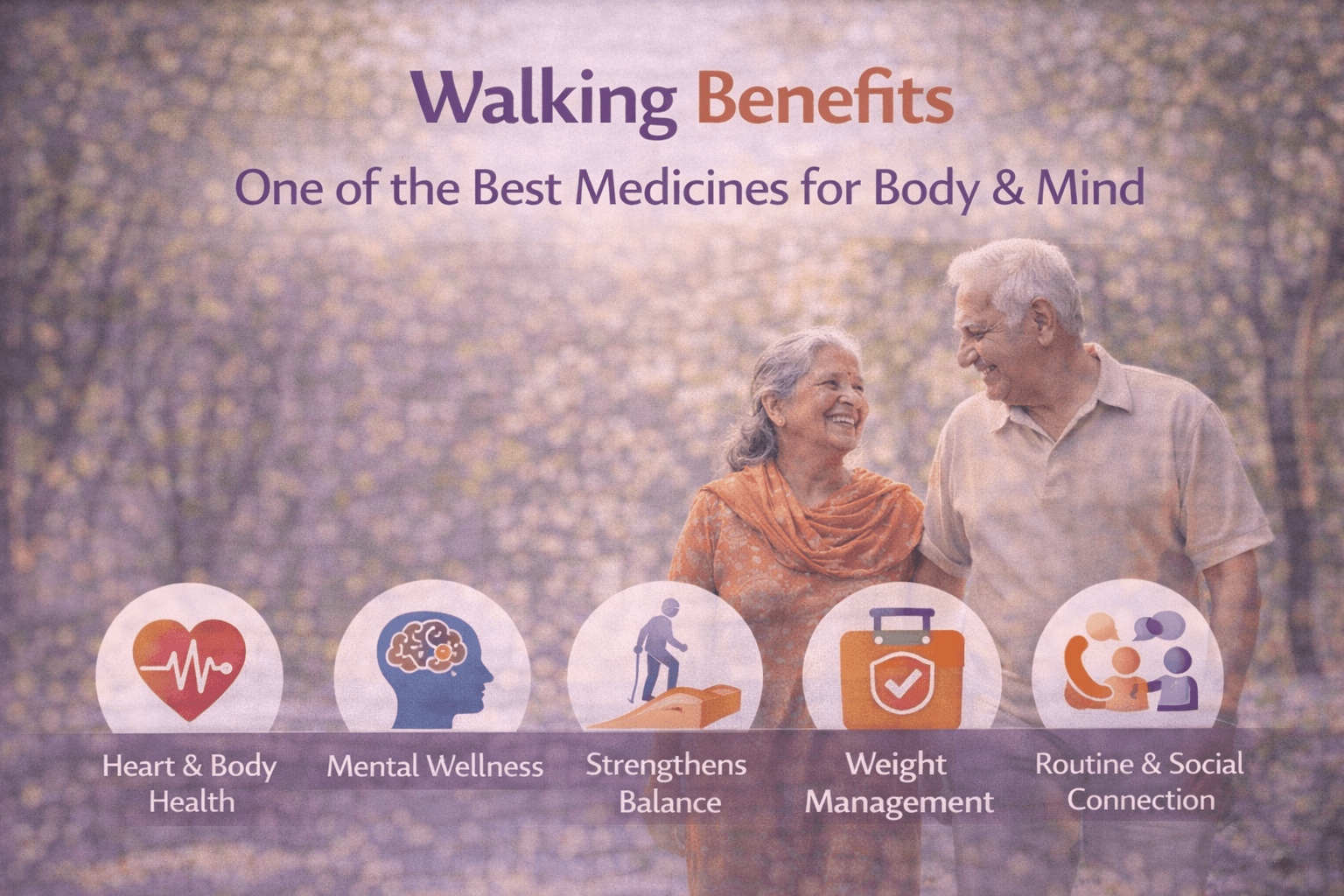
Regular walking strengthens the heart and improves circulation. It helps lower blood pressure, regulate cholesterol levels, and reduce the risk of heart disease and stroke. Even a brisk walk for 20–30 minutes a day improves oxygen delivery to the body, keeping the heart and lungs efficient and resilient. For older adults, walking is one of the safest ways to stay cardiovascularly active without placing excess strain on the body.
Strengthens Muscles and Bones
Walking engages the legs, hips, core, and even the arms when done with proper posture. Over time, it helps maintain muscle strength and joint flexibility. Because walking is a weight-bearing activity, it also supports bone health and helps slow bone loss—especially important for elderly individuals and postmenopausal women. Stronger muscles and bones mean better mobility, balance, and independence.
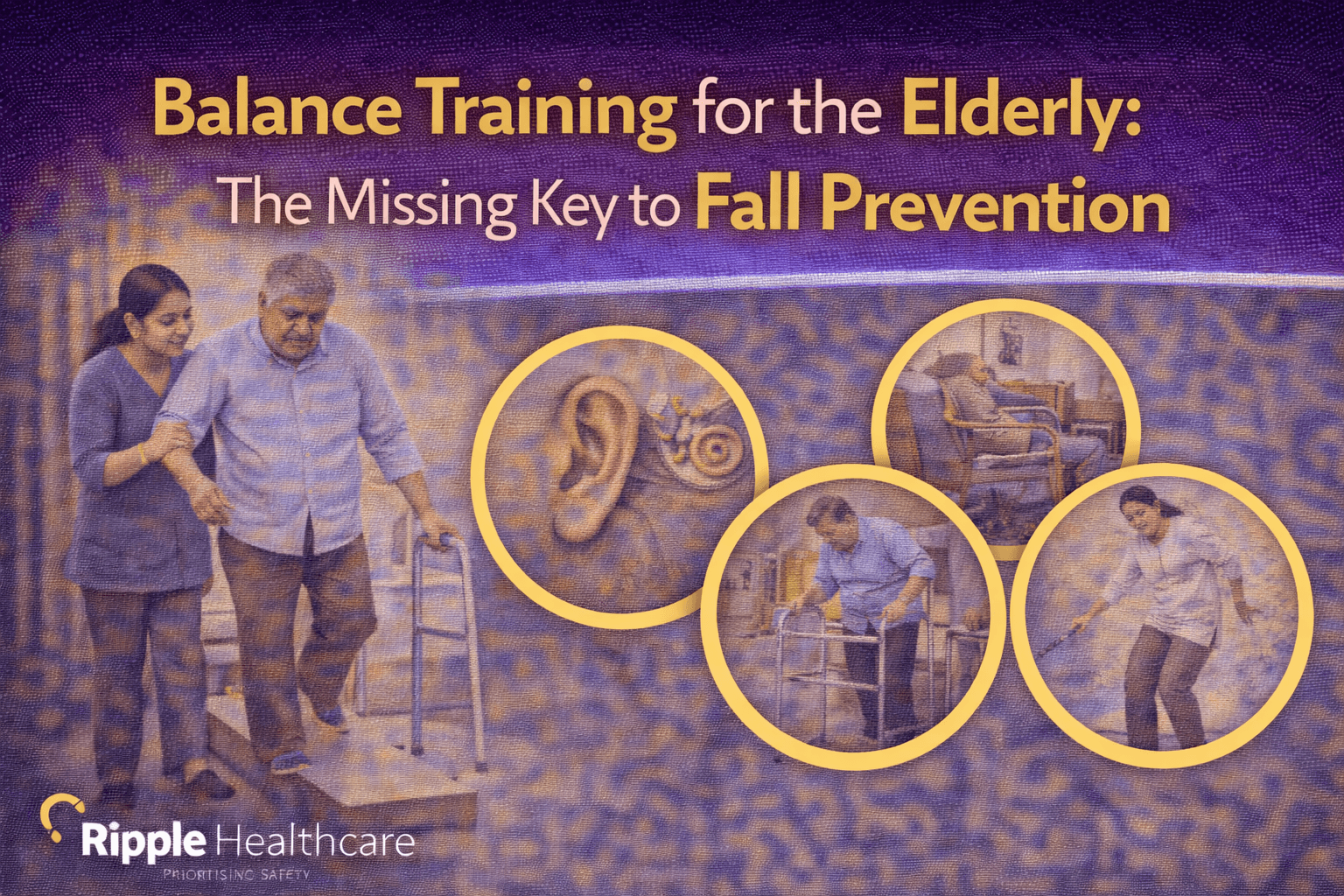
Improves Balance and Reduces Fall Risk
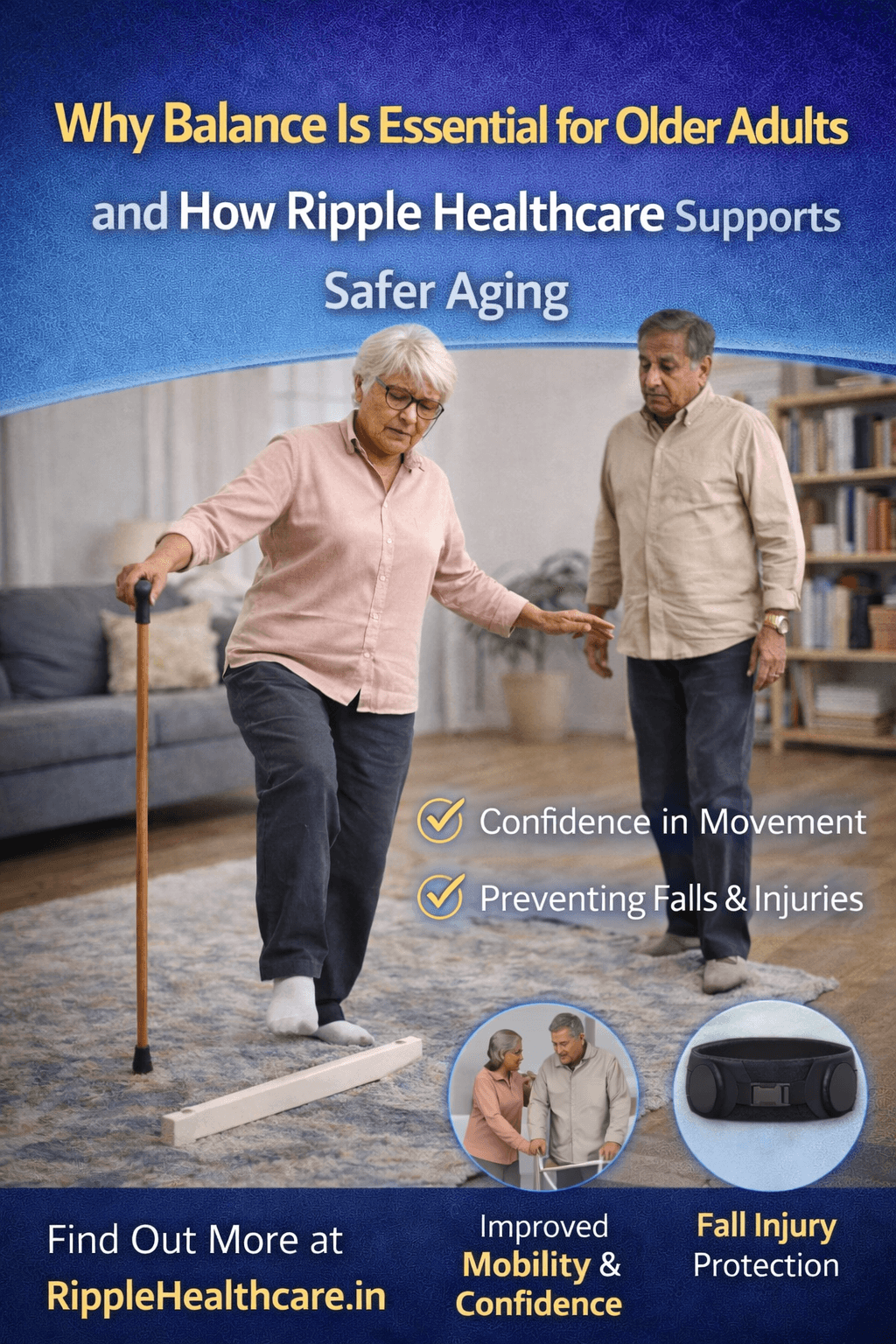
Walking regularly trains coordination, rhythm, and balance. It encourages a natural gait pattern and improves confidence while moving. For seniors, consistent walking can reduce stiffness and hesitation, both of which are common contributors to falls. When combined with attention to posture and stride, walking becomes a powerful tool in fall prevention.
Supports Mental Health and Brain Function
Walking doesn’t just benefit the body—it deeply supports the mind. It reduces stress hormones, improves mood, and helps manage anxiety and depression. Walking outdoors, especially in natural light, enhances sleep quality and helps regulate the body’s internal clock. Research also shows that regular walking supports memory, attention, and cognitive function, making it especially valuable for older adults at risk of cognitive decline.
Helps Manage Chronic Conditions
For people living with diabetes, arthritis, high blood pressure, or Parkinson’s disease, walking is often recommended as a first-line activity. It helps regulate blood sugar levels, reduce joint stiffness, and maintain mobility without high impact. The key is consistency—not speed or distance.
Aids Digestion and Weight Management
Walking after meals improves digestion and helps prevent bloating and acidity. Over time, regular walking supports healthy metabolism and weight maintenance, which in turn reduces strain on joints, improves endurance, and lowers the risk of lifestyle-related diseases.
Encourages Social Connection and Routine
Walking can be a shared activity—with a spouse, friend, caregiver, or group. This social element improves motivation and emotional well-being. For elderly individuals, a daily walking routine provides structure, purpose, and a sense of independence.
How Much Walking Is Enough?
Even 15–30 minutes of walking a day can make a meaningful difference. The pace should allow comfortable conversation without breathlessness. What matters most is regularity—walking a little every day is far more beneficial than occasional intense activity.
Final Thought
Walking is not about pushing limits—it’s about preserving life’s simple freedoms: the ability to move, explore, and stay independent. It supports the heart, muscles, mind, and mood, making it one of the most complete forms of exercise available to us. Sometimes, the most powerful health solutions are the simplest. And walking is proof of that—one step at a time.