

Hip fractures become significantly more dangerous after the age of 65 due to bone fragility, muscle weakness, slower healing, and higher complication rates. This in-depth blog explains why recovery is harder for seniors and how Ripple Healthcare focuses on prevention to reduce life-altering outcomes.
Introduction: The Same Injury, Very Different Outcomes
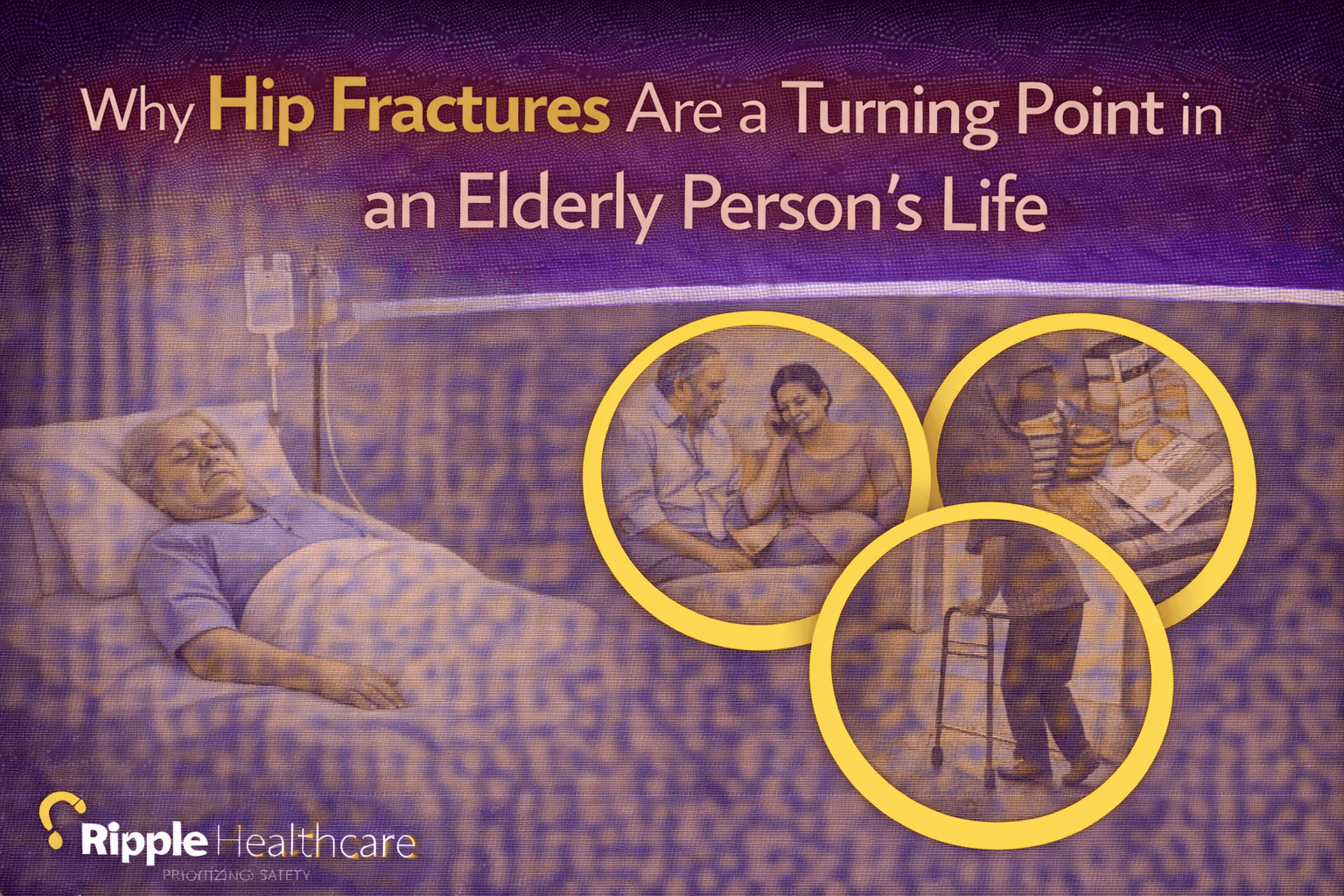
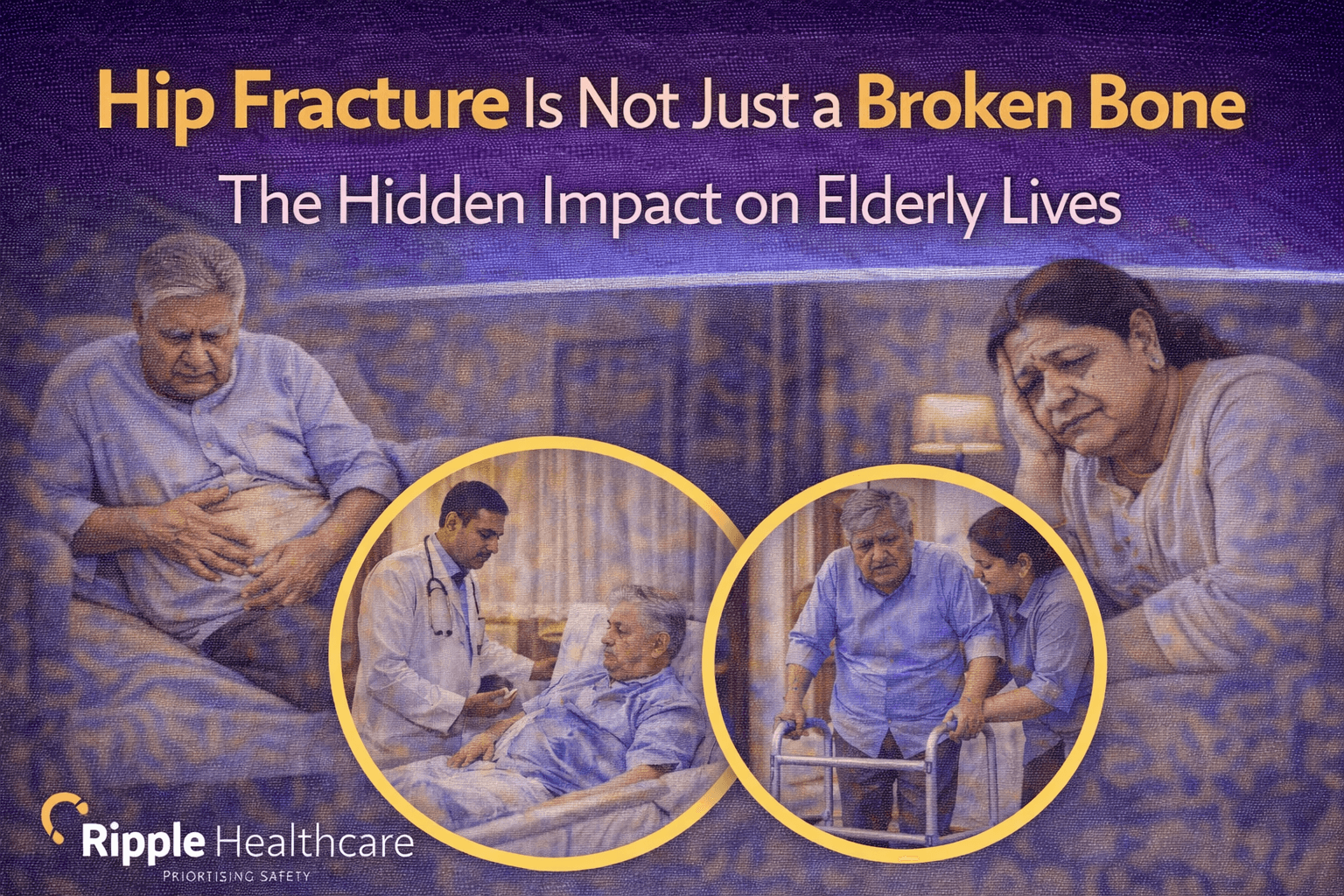
A hip fracture at age 30 and a hip fracture at age 70 are not the same injury. While younger adults often recover fully, older adults face long-term mobility loss, emotional trauma, and increased mortality. Age changes how the body responds to injury.
Natural Bone Density Loss After 65
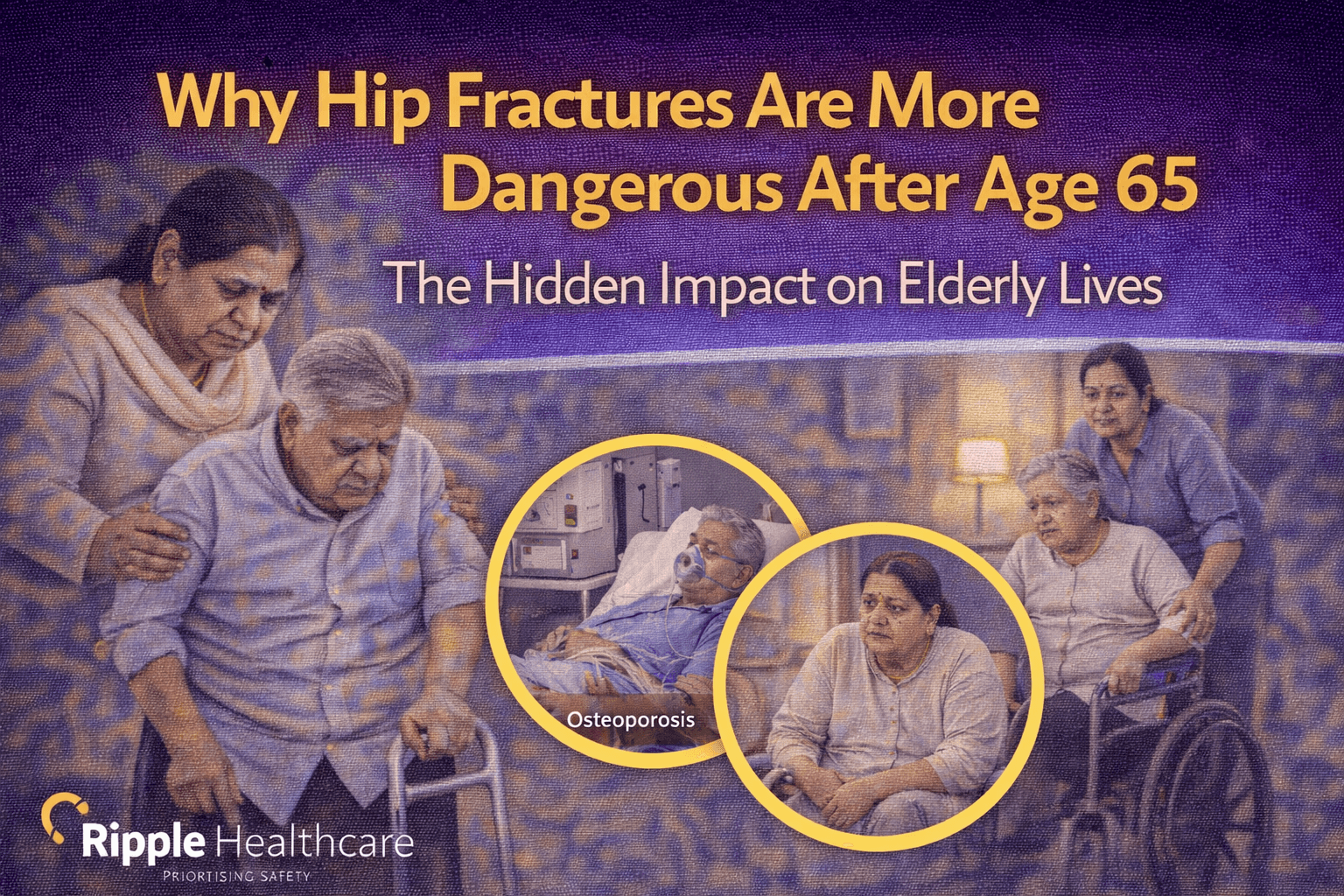
After age 65, many individuals experience osteoporosis, a condition where bones lose density and strength. This makes the hip joint extremely fragile, so even a low-impact fall can result in a severe fracture.
Reduced Muscle Mass Around the Hip
Strong muscles act as natural shock absorbers during a fall. In elderly individuals, muscle mass around the hips and thighs is often reduced, leaving bones exposed to direct impact.
Slower Bone Healing With Age
Bone regeneration slows significantly with age. This means fractures take longer to heal, increasing the risk of complications and prolonged immobility.
Higher Surgical Risk in Older Adults
Hip fracture surgery requires anesthesia and invasive procedures. For elderly patients with heart disease, diabetes, or respiratory issues, surgical risks are considerably higher.
Increased Risk of Post-Surgical Complications
Older adults are more likely to develop infections, blood clots, pneumonia, and pressure sores during recovery, especially after long hospital stays.
Prolonged Bed Rest and Its Consequences
Extended bed rest leads to rapid muscle loss, reduced balance, and joint stiffness. Even short periods of immobility can cause permanent decline in elderly patients.
Loss of Balance After Recovery
Many seniors do not regain their previous balance after a hip fracture, increasing the likelihood of future falls and repeat injuries.
Fear of Falling Again
After a hip fracture, fear becomes a major barrier to recovery. Seniors often avoid walking or exercising due to fear of another fall, which worsens weakness.
Impact on Cognitive Health
Hospitalization, surgery, and immobility can trigger confusion, delirium, or cognitive decline in elderly patients, especially those with pre-existing conditions.
Reduced Ability to Live Independently
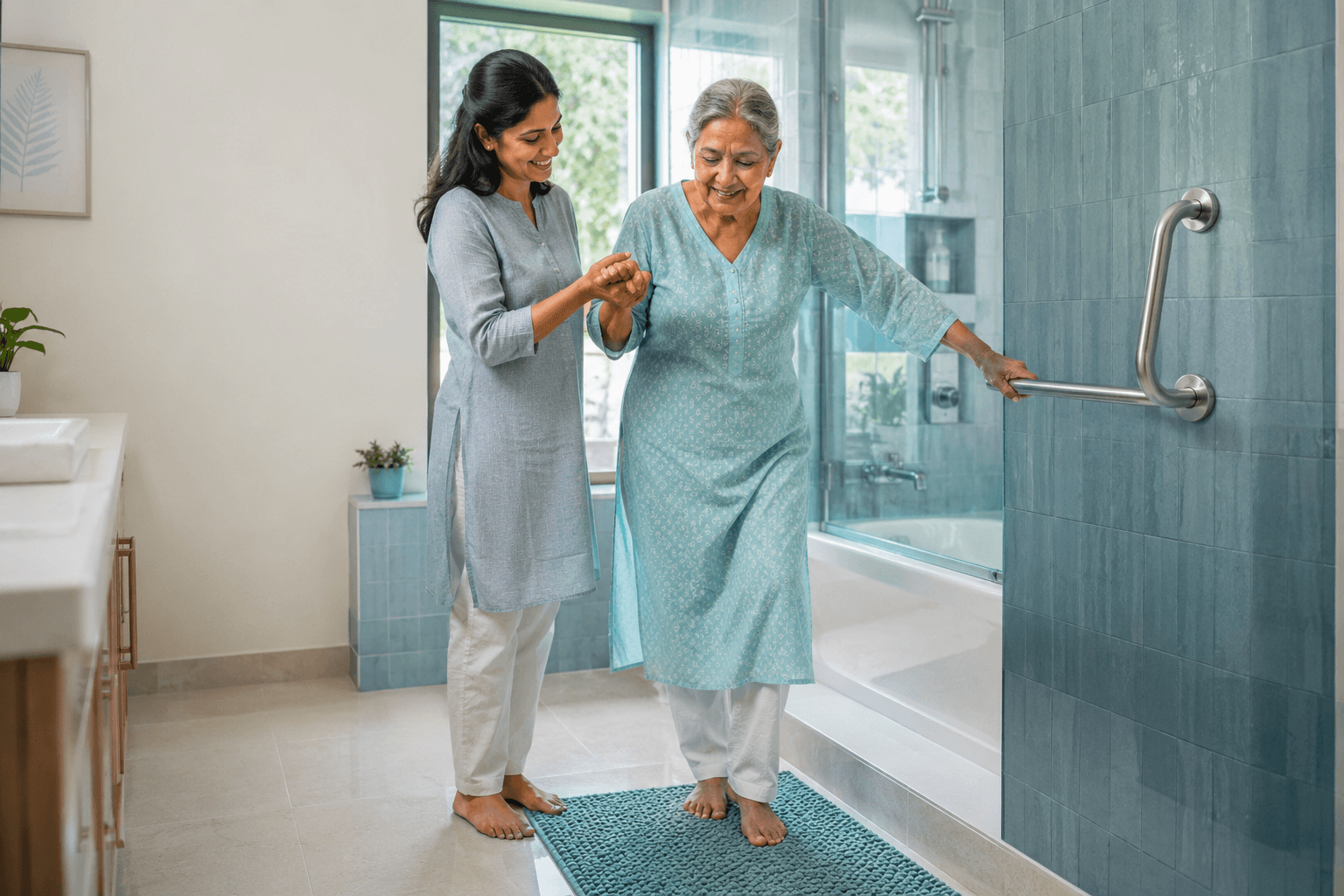
After age 65, a hip fracture often results in permanent dependence on family members or caregivers for daily activities like walking, bathing, and dressing.
Emotional and Psychological Decline
Loss of independence frequently leads to depression, anxiety, and feelings of helplessness among elderly patients after hip fractures.
Higher Mortality Risk After Hip Fracture
Studies show that elderly individuals have a significantly higher risk of death within the first year after a hip fracture, especially if complications arise.
Why the First Fall Should Never Be Ignored
A fall is not an accident—it is a warning sign of declining balance, strength, or health. Ignoring early falls often leads to severe injuries later.
Why Prevention Is Critical After 65
At this age, preventing injury is far safer than treating it. Reducing fall impact and protecting vulnerable hips can preserve independence and quality of life.
How Ripple Healthcare Focuses on Prevention
Ripple Healthcare takes a prevention-first approach to elderly safety by addressing fall risks and injury severity before life-changing accidents occur.
Role of the HipPro Belt in Reducing Hip Fracture Risk
The HipPro Belt is designed to absorb and disperse impact during falls, significantly reducing the force transmitted to fragile hip bones in elderly individuals.
Supporting Active and Confident Aging
When seniors feel protected, they are more likely to stay active. Continued movement helps maintain muscle strength, balance, and overall health.
Final Takeaway
After age 65, a hip fracture can be life-altering. Prevention, awareness, and protective solutions from Ripple Healthcare can help seniors live safer, more independent lives.
Learn More About Ripple Healthcare
To learn more about elderly safety and fall injury prevention, visit https://www.ripplehealthcare.in. For guidance or support, contact https://www.ripplehealthcare.in/contact. To explore or purchase the HipPro Belt, visit https://www.ripplehealthcare.in/Buynow.