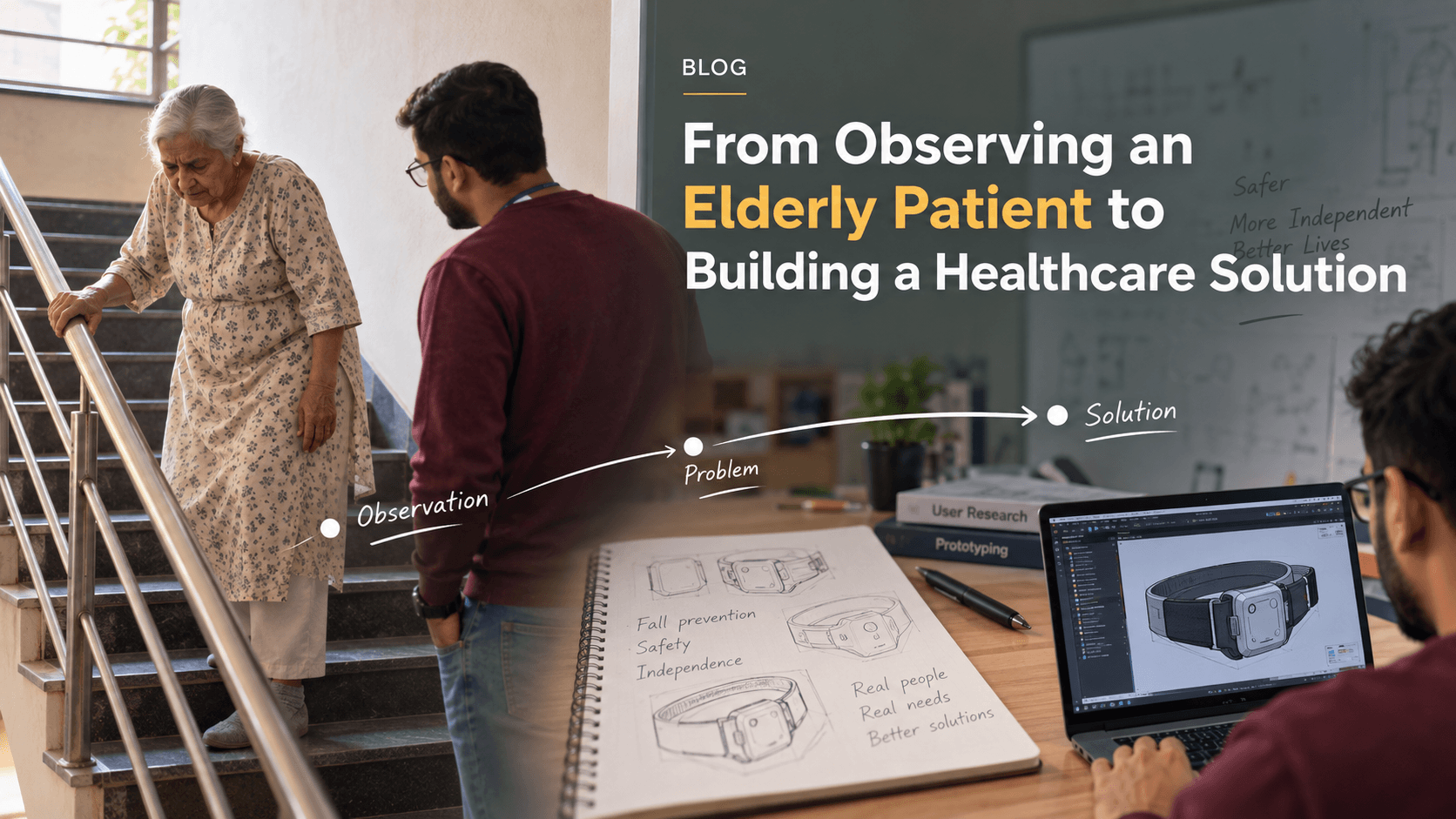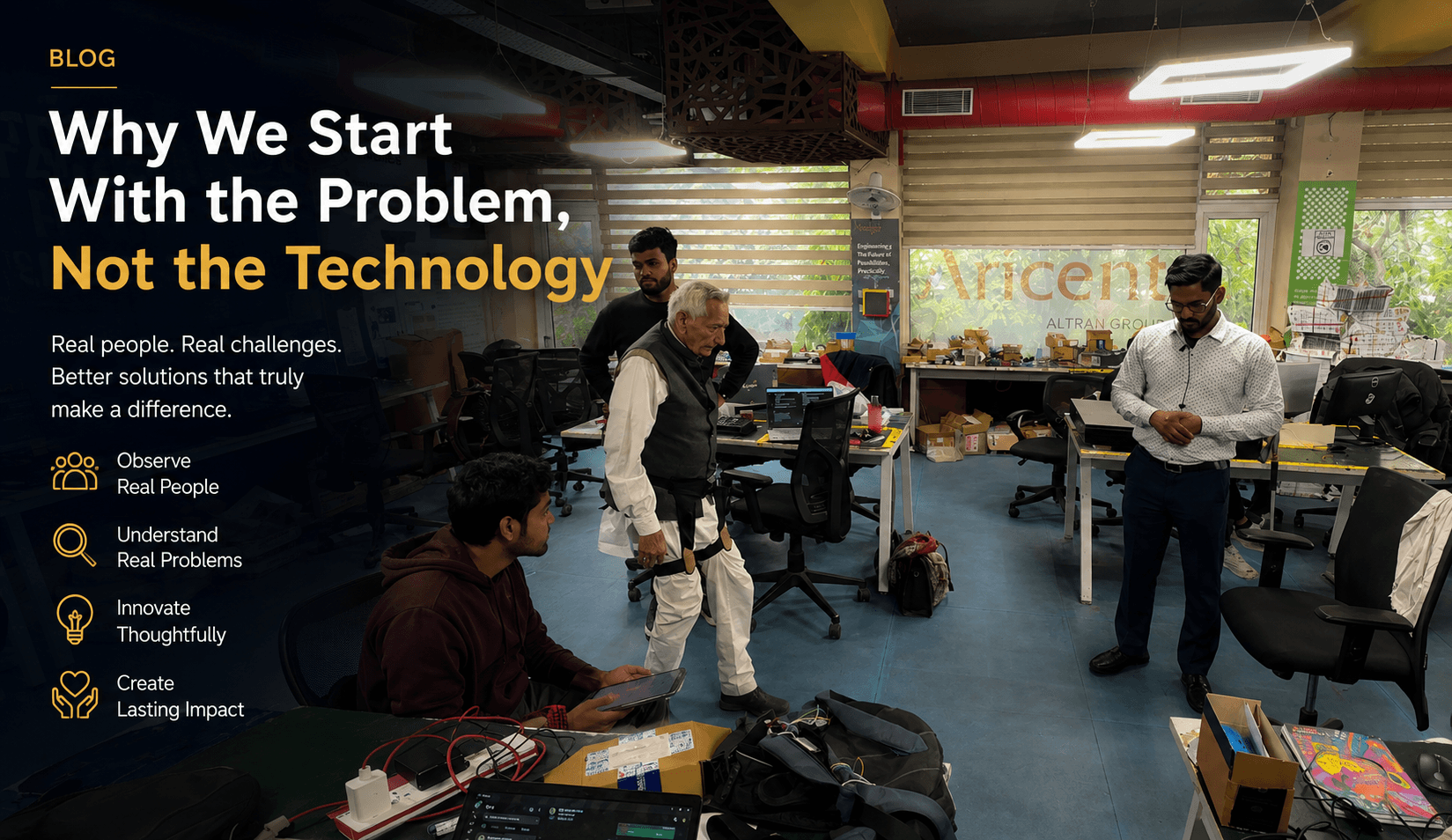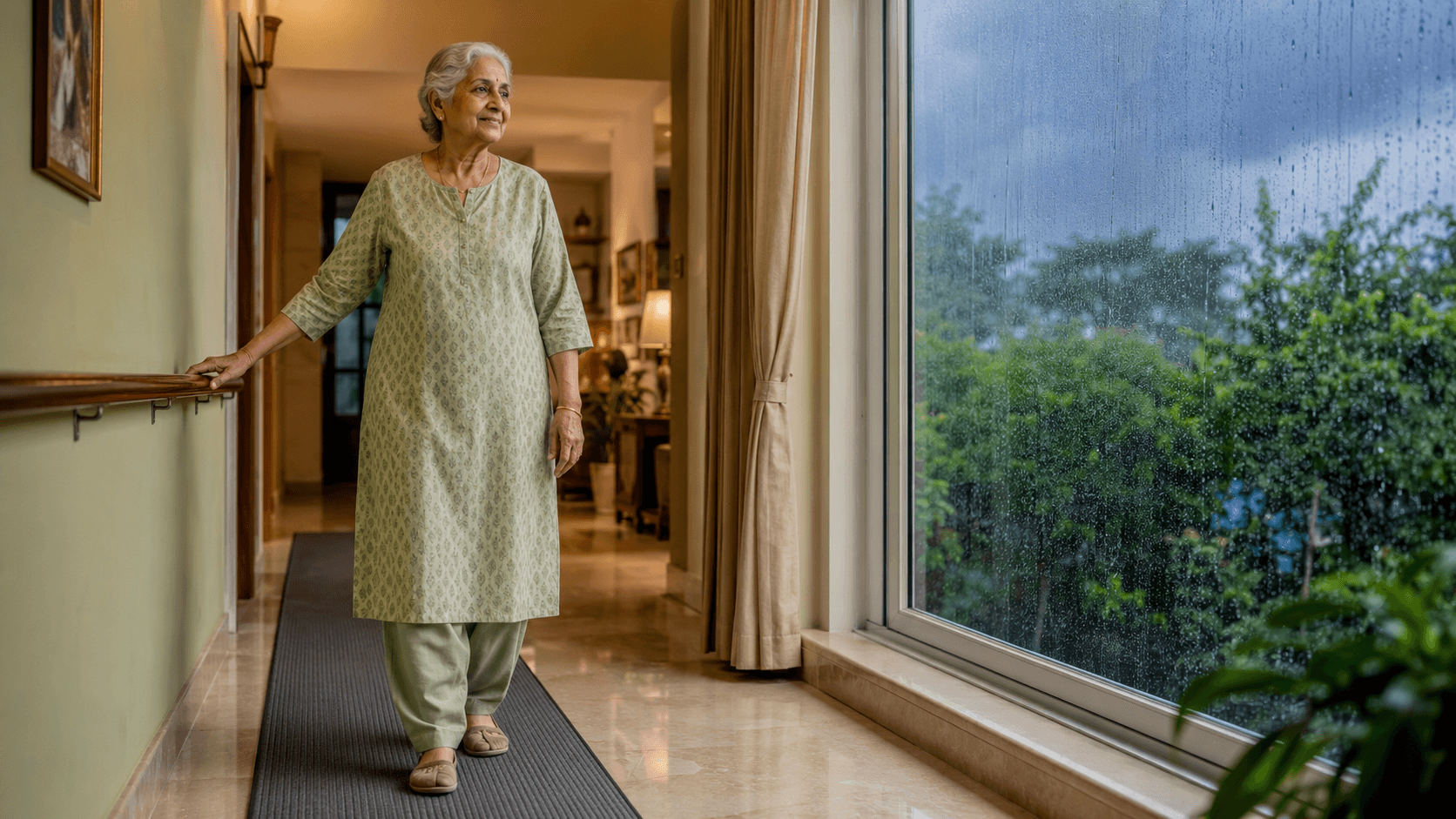


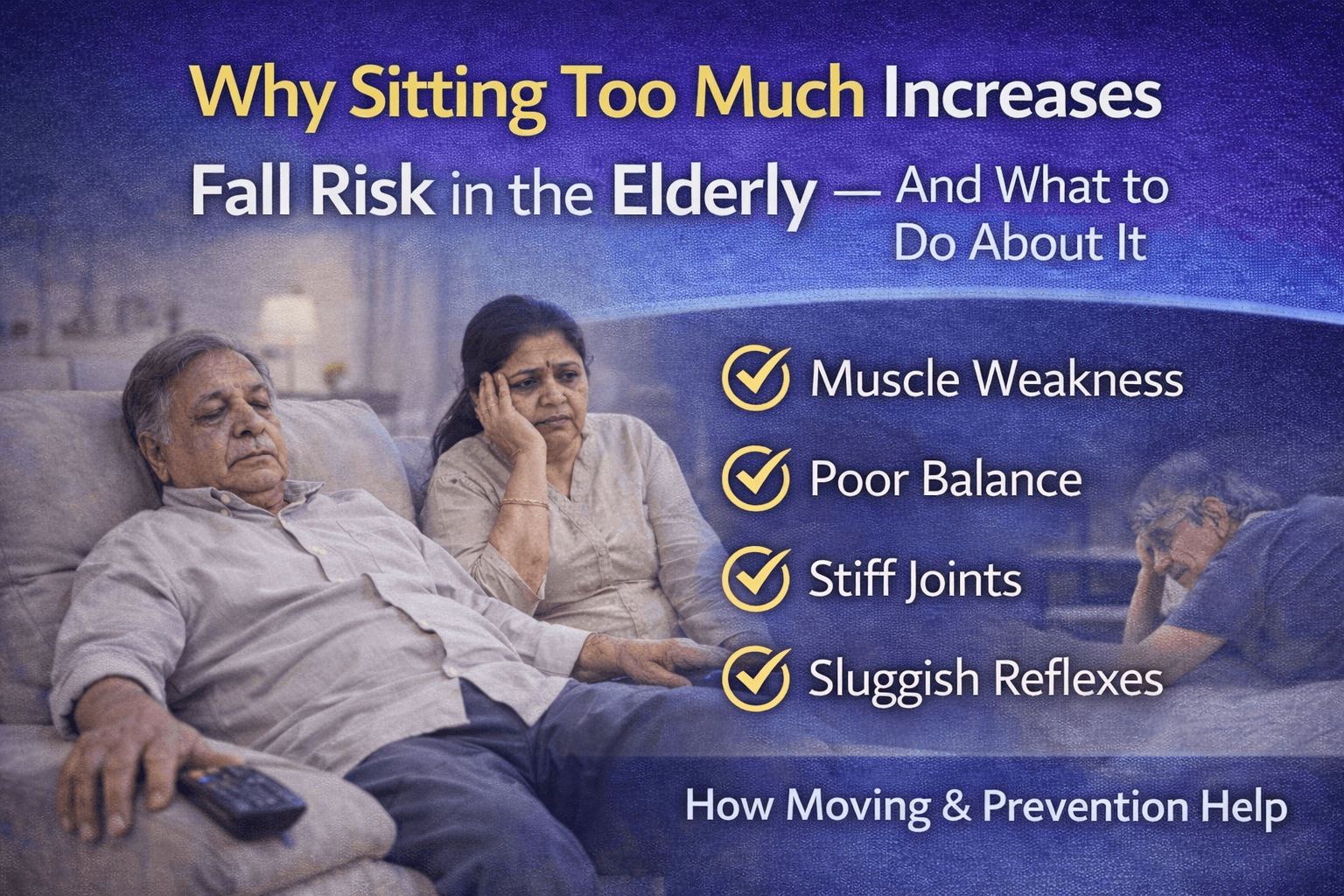
Prolonged sitting and physical inactivity significantly increase the risk of falls in older adults. This blog explains the science behind it, the consequences of a sedentary lifestyle, and practical ways to reduce fall risk — including how Ripple Healthcare supports healthier movement and safer aging.
The Sedentary Epidemic in Aging Adults
With age, many older adults spend more time sitting — whether due to fatigue, pain, health issues, or reduced mobility. While resting is normal, prolonged inactivity is not harmless. In fact, too much sitting can weaken the body in ways that make falls more likely.
How Sitting Too Much Impacts the Body
Extended periods of sitting have several negative effects that contribute to increased fall risk:
Weakened leg and core muscles
Muscles that support balance and stability weaken when they aren’t used regularly. This reduces the ability to catch oneself during slips or trips.
Reduced flexibility
Joints become stiff, making it harder to bend, turn, or regain balance quickly.
Poor circulation
Prolonged sitting reduces blood flow, which can cause leg swelling, numbness, and slower reaction times.
Slower reflexes
Less movement leads to delayed neuromuscular responses — a key factor in fall prevention.
The Angry Cycle: Sitting → Weakness → Falls
Once an elderly person starts sitting more, a dangerous cycle begins:
Less activity leads to weakness
Reduced activity causes muscles to shrink and balance to worsen.
Weaker muscles increase fear of moving
Fear of discomfort or falls leads to even more sitting.
The cycle repeats
Over time, balance deteriorates and fall risk increases steeply.
Falls Linked to Sedentary Lifestyle
Clinically, seniors who are inactive are more likely to experience serious falls. Research shows that fit, active muscles and steady balance decrease fall risk, while inactivity often doubles it.
Practical Steps to Break the Sedentary Cycle
Getting up and moving may be the most important fall-prevention strategy there is. Here’s how families can support safer activity:
Encourage frequent short walks
Even 5–10 minute walks every few hours keep muscles active.
Add gentle balance exercises
Simple balance activities like heel-to-toe walking can improve stability.
Stand during TV time
Limiting long sitting sessions while watching TV or reading makes a big difference.
Use cues and reminders
Set alarms or walking goals to reduce continuous sitting.
Combining Movement With Injury Protection
Even with daily activity, falls can still occur due to unexpected slips or changes in balance. This is where proactive protection matters — because reduced injury severity protects confidence and long-term mobility.
How Ripple Healthcare Is Helping Reduce Fall Risk
Ripple Healthcare takes a comprehensive approach to senior safety — combining awareness, mobility support, and protective solutions:
Encouraging active lifestyles
Ripple Healthcare emphasizes the importance of movement, balance exercises, and daily activity for preventing fall risk.
HipPro Belt for impact protection
The HipPro Belt is designed to absorb and dissipate impact forces during falls, helping reduce the risk of serious hip injuries even if a fall happens.
Supporting elderly confidence
With preventive solutions and knowledge support, Ripple Healthcare helps seniors stay confident and active without fear of severe consequences.
Holistic elderly care
Ripple Healthcare advocates for a blend of strength training, balance improvement, home safety, and protective gear — a multi-layered defense against falls.
Learn More & Take Action
To explore how Ripple Healthcare supports safer aging and fall risk reduction, visit https://www.ripplehealthcare.in. If you have questions or want personalized guidance, visit https://www.ripplehealthcare.in/contact. To view or purchase protective solutions like the HipPro Belt, visit https://www.ripplehealthcare.in/Buynow.
Final Takeaway
Sitting too much is more than a comfort issue — it weakens muscles, slows reflexes, and increases the risk of serious falls in older adults. By staying active, encouraging regular movement, and combining it with injury-prevention strategies like those offered by Ripple Healthcare, families can help seniors maintain strength, confidence, and safer aging.