Preventing Falls for the elderly:
Your Comprehensive Guide to Senior
Safety.
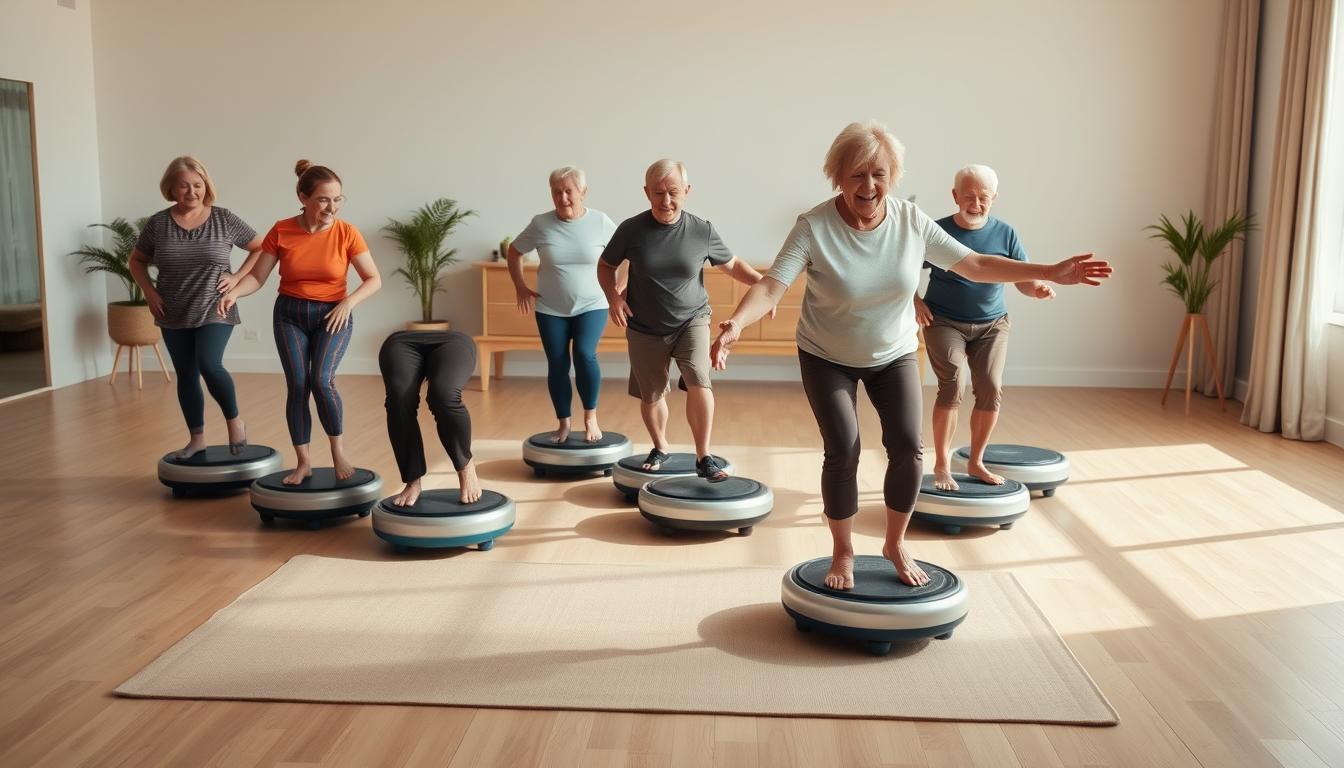
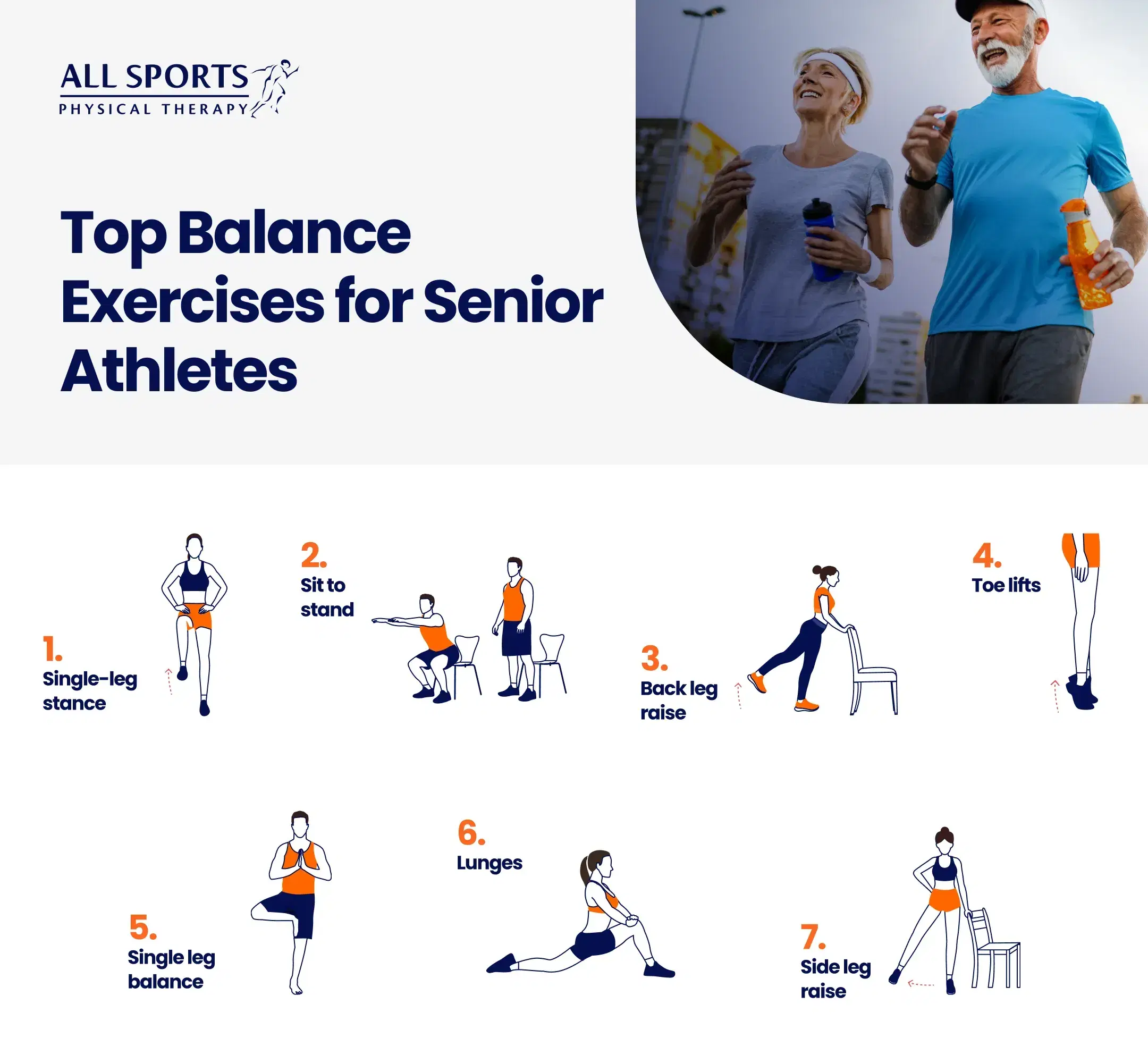
As we age, our bodies naturally lose muscle strength, coordination, and balance — key factors that help us stay steady on our feet. When balance declines, even everyday movements can become risky, increasing the chances of fall-related injuries like fractures and sprains. Falls are one of the leading causes of injury in older adults, but the good news is that balance training can make a real difference in preventing them.
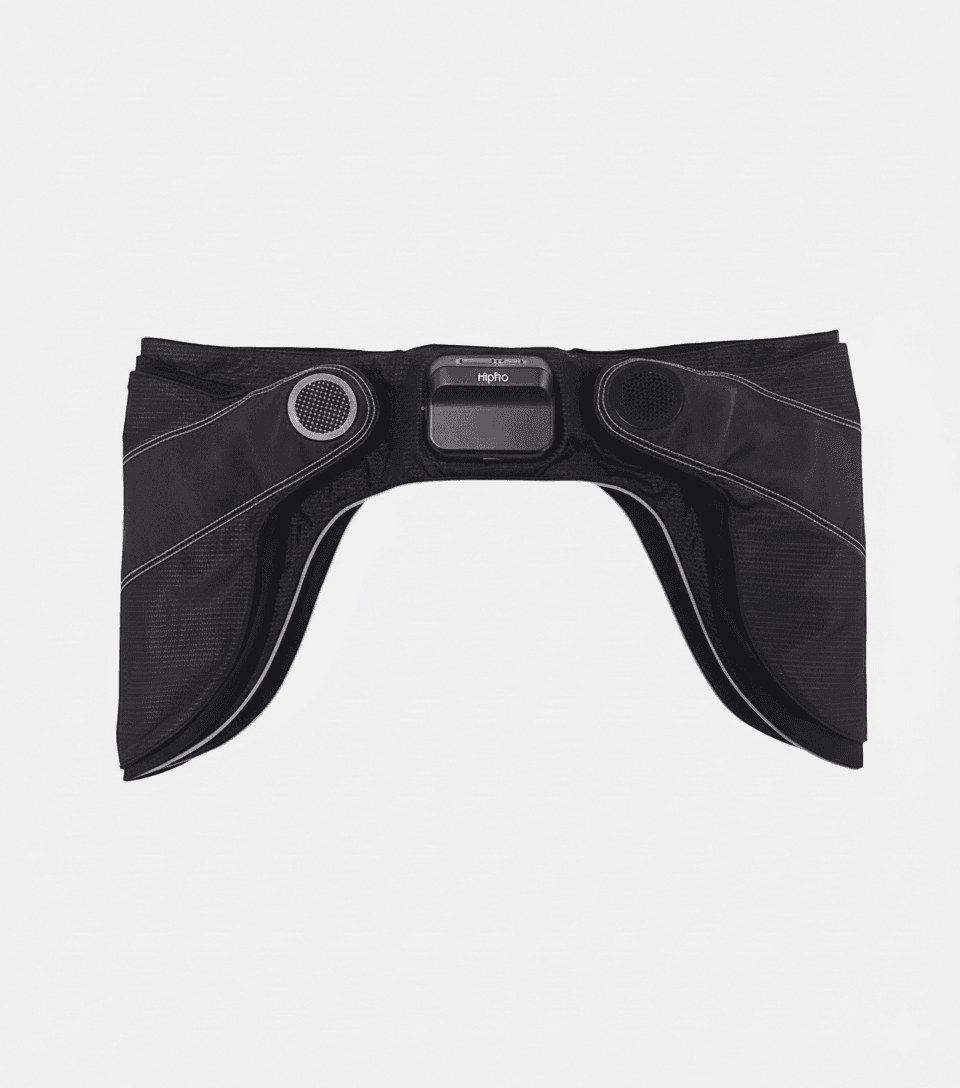
As we age, our bones become more fragile, balance less stable, and the risk of falls increases dramatically. One of the most serious consequences of a fall in older adults is a hip fracture — a life-altering injury that often leads to loss of independence, lengthy hospital stays, and long recovery journeys.
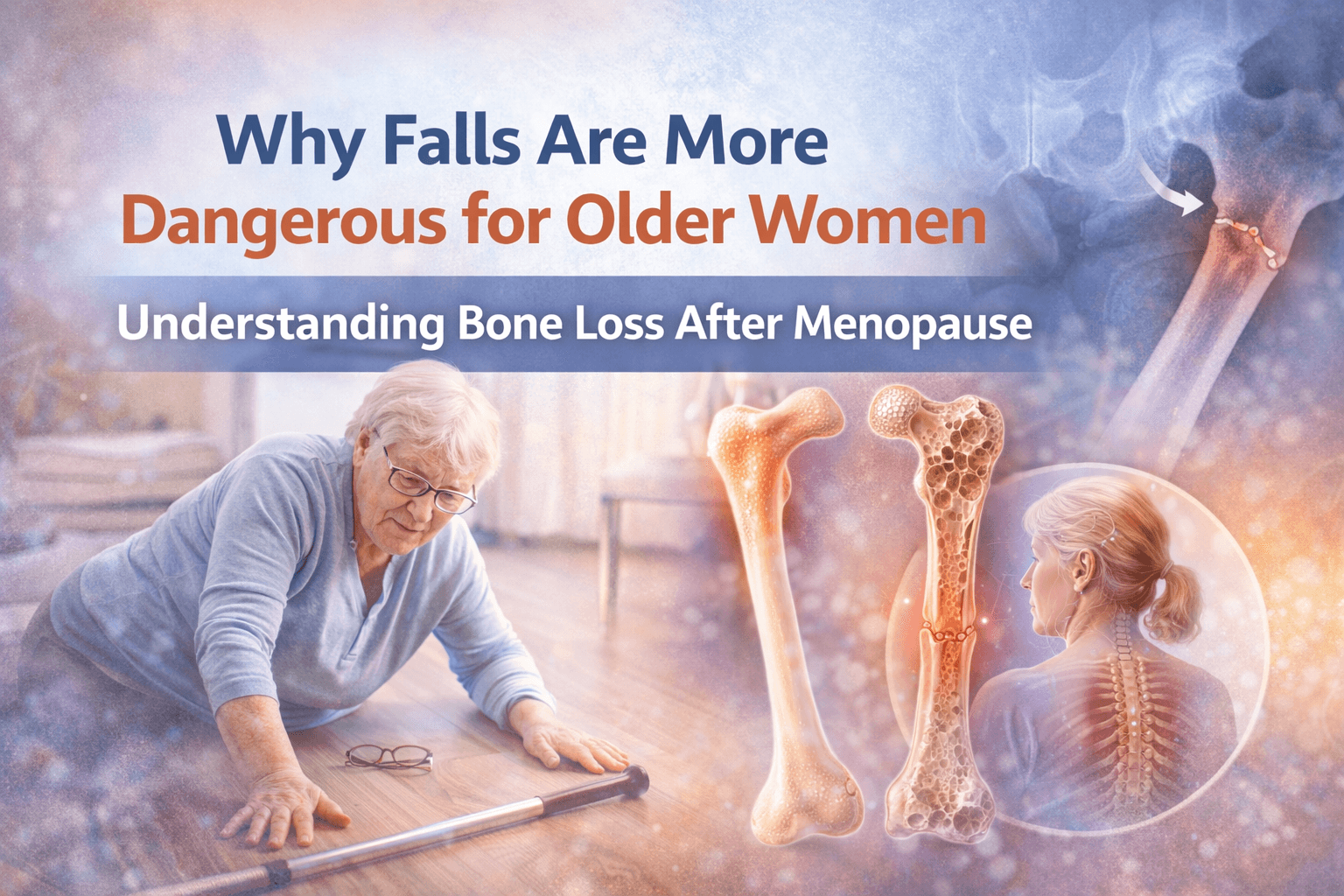
As women age, the risk of falls increases sharply—much more so than in men of the same age. This isn’t coincidence, clumsiness, or “just getting older.” A major driver is bone weakening after menopause, combined with changes in muscle strength, balance, and hormones. Understanding why this happens is the first step toward preventing serious injuries like hip and spine fractures.
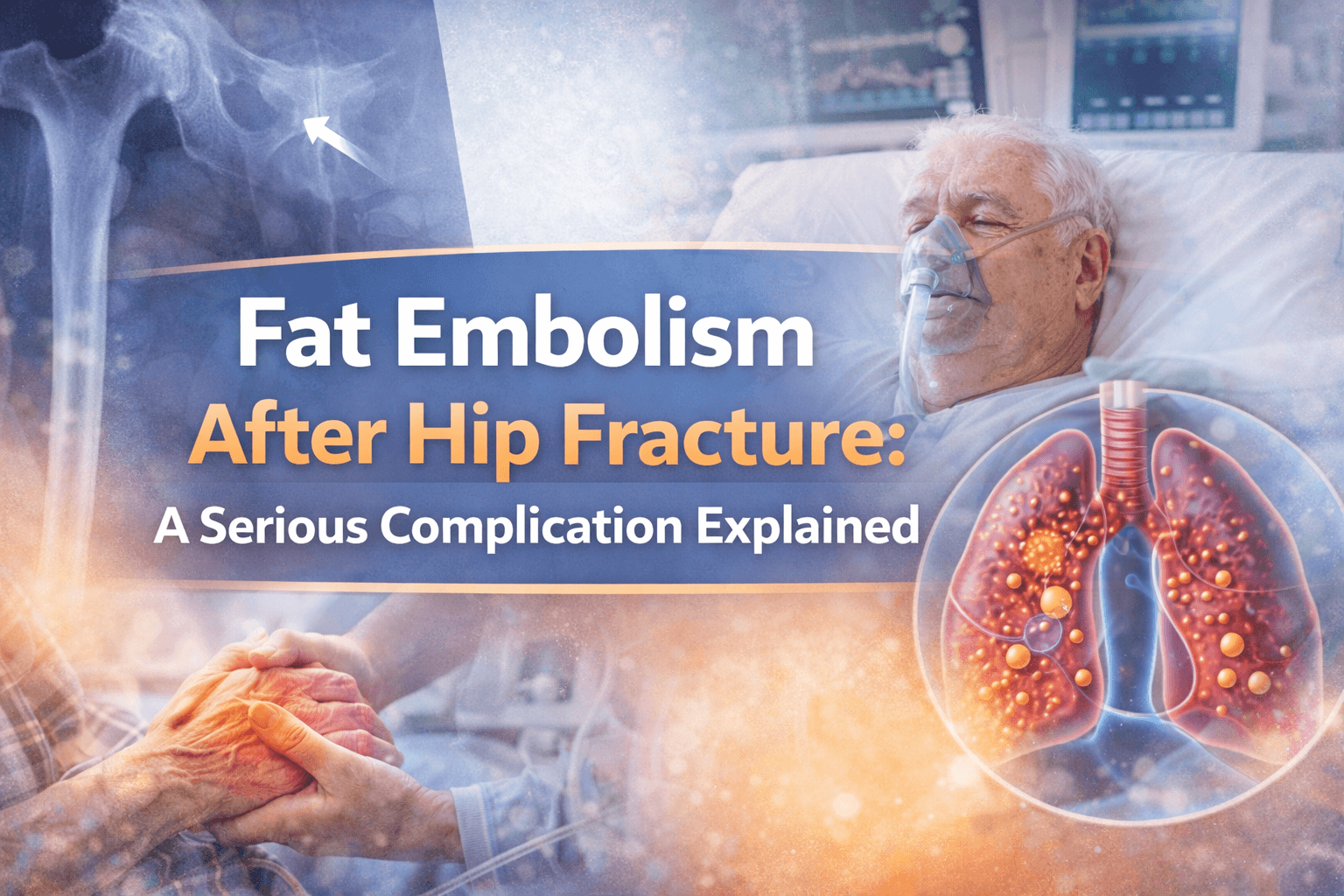
When a hip fracture occurs, most families focus on surgery, pain control, and recovery of mobility. However, one serious and potentially life-threatening complication often goes unnoticed until it happens—fat embolism. Though relatively uncommon, fat embolism can rapidly worsen a patient’s condition and requires immediate medical attention. Understanding this risk is crucial, especially for elderly patients with hip fractures.
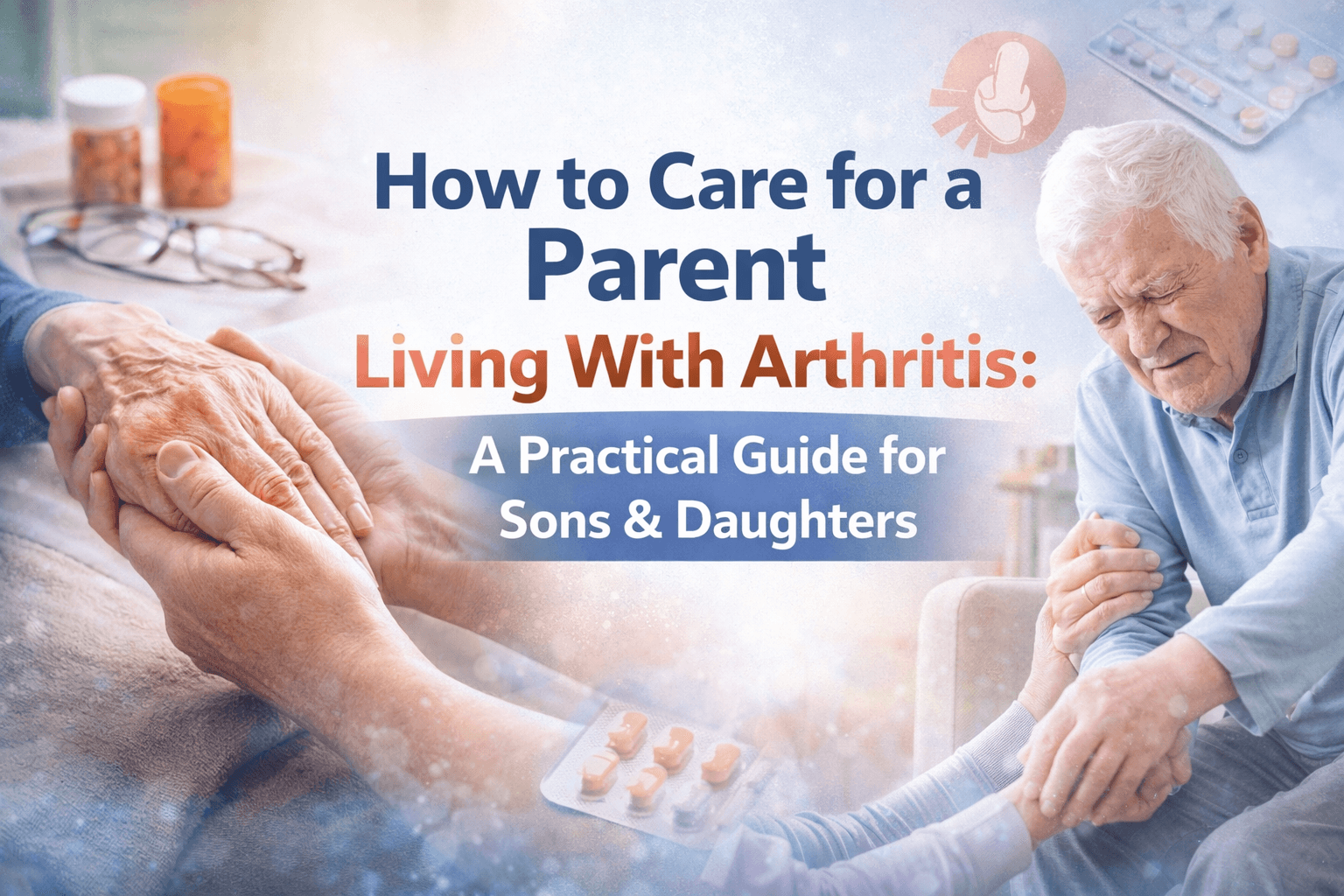
Watching your parent struggle with arthritis can be quietly heartbreaking. Tasks they once did effortlessly—walking to the kitchen, opening a jar, getting out of bed—may now cause pain or frustration. As their child, you’re not just a caregiver; you’re their safety net, emotional anchor, and advocate. This guide is written for you—to help you understand arthritis better and support your parent with empathy, dignity, and practical care.
As people age, maintaining physical stability becomes increasingly challenging. Reduced muscle strength, slower reflexes, and poor coordination significantly increase the risk of falls in older adults. This is why balance training for the elderly is a critical component of modern elderly care. It not only improves mobility but also protects seniors from serious injuries such as hip fractures, helping them maintain their confidence and independence. At Ripple Healthcare, balance training is an essential part of a holistic elderly care approach that focuses on fall prevention, safety, and long-term independence.
Plot No. 1, Udyog Vihar Phase 1,
Udyog Vihar, Sector 20, Gurugram,
Haryana 122016
Copyright ©2026 ripplehealthcare.in
All Rights Reserved