Preventing Falls for the elderly:
Your Comprehensive Guide to Senior
Safety.
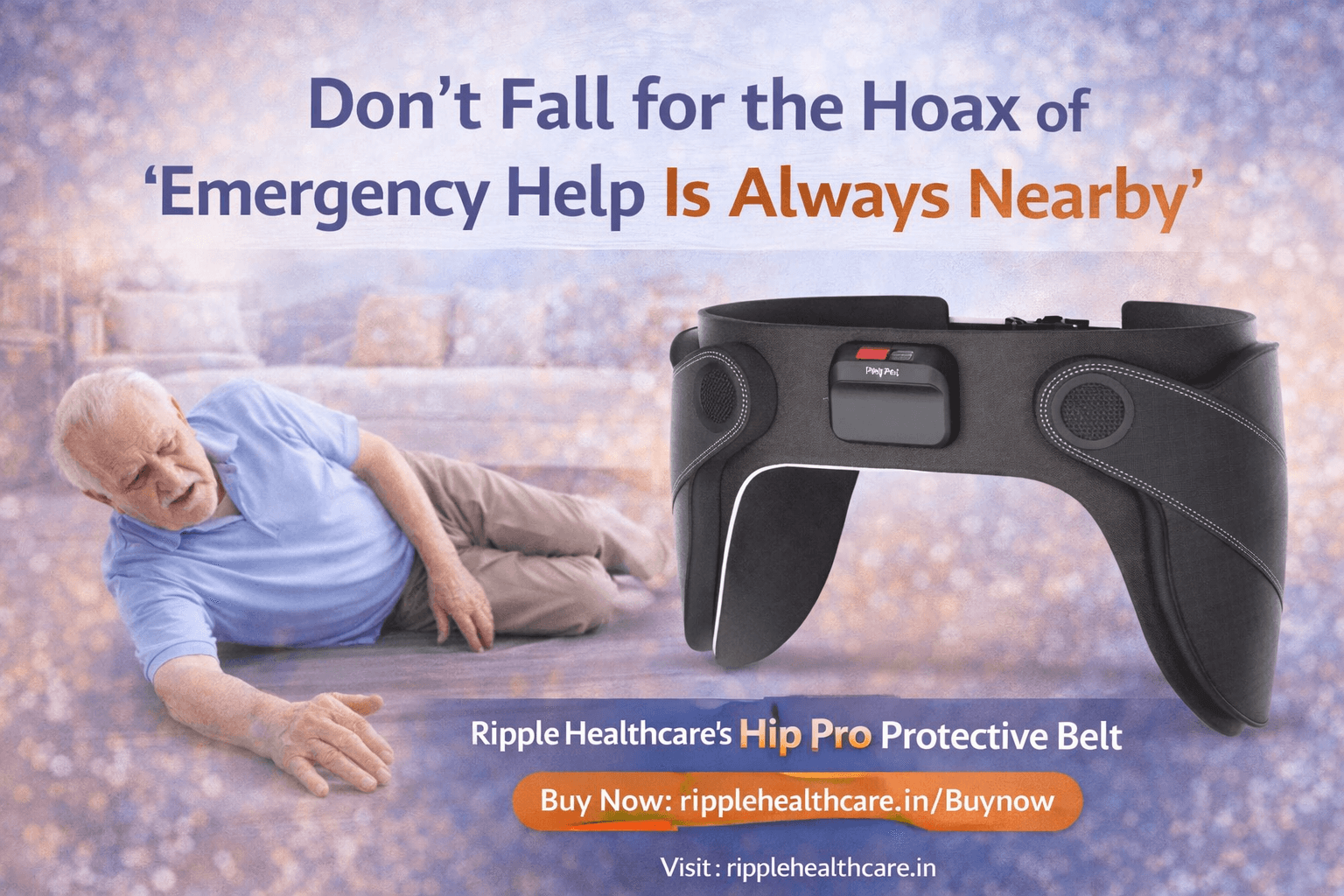
Hip fractures are a major risk for elderly people. Learn causes, dangers, prevention methods, and how Ripple Healthcare’s HipPro Belt helps protect seniors from serious injuries.
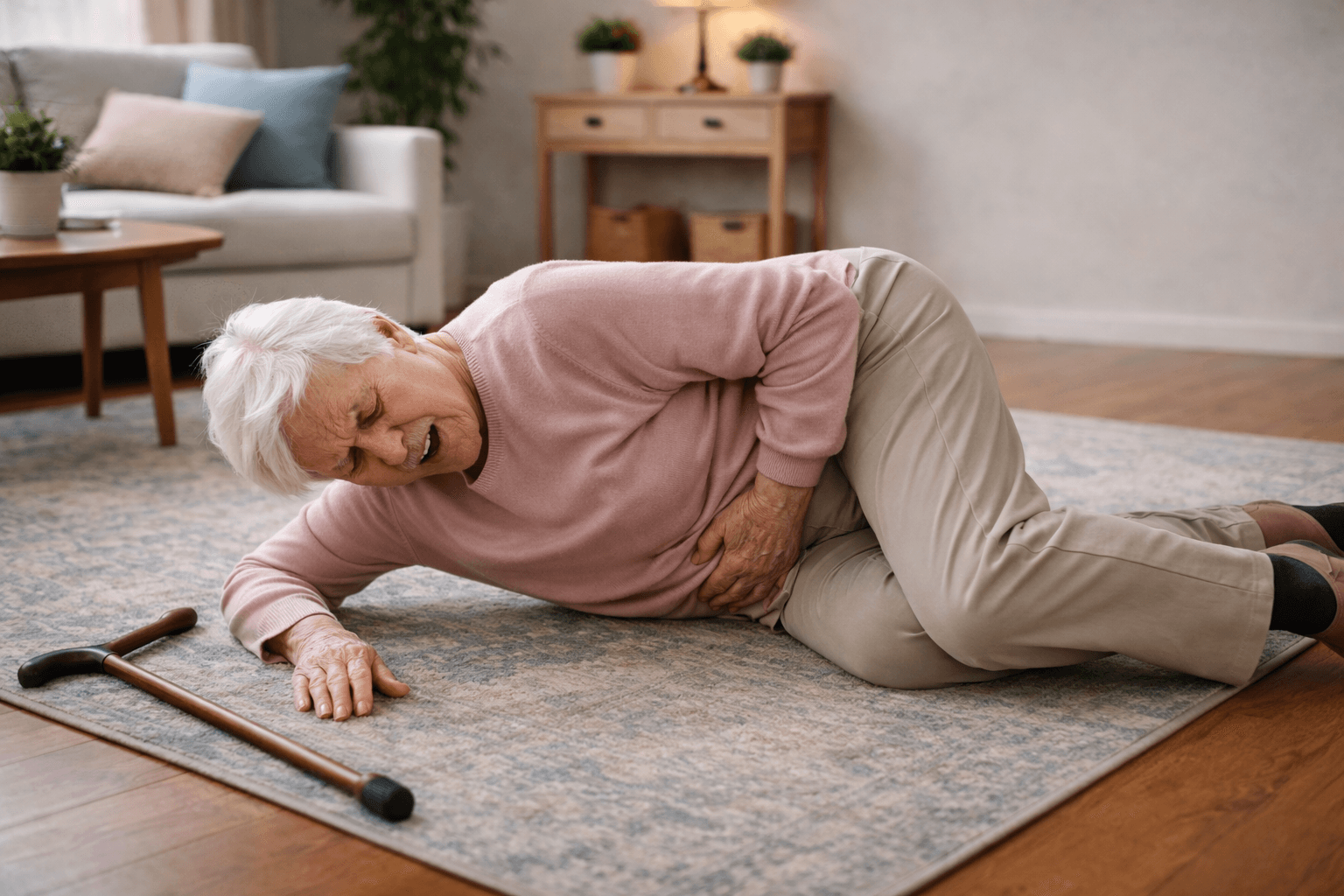
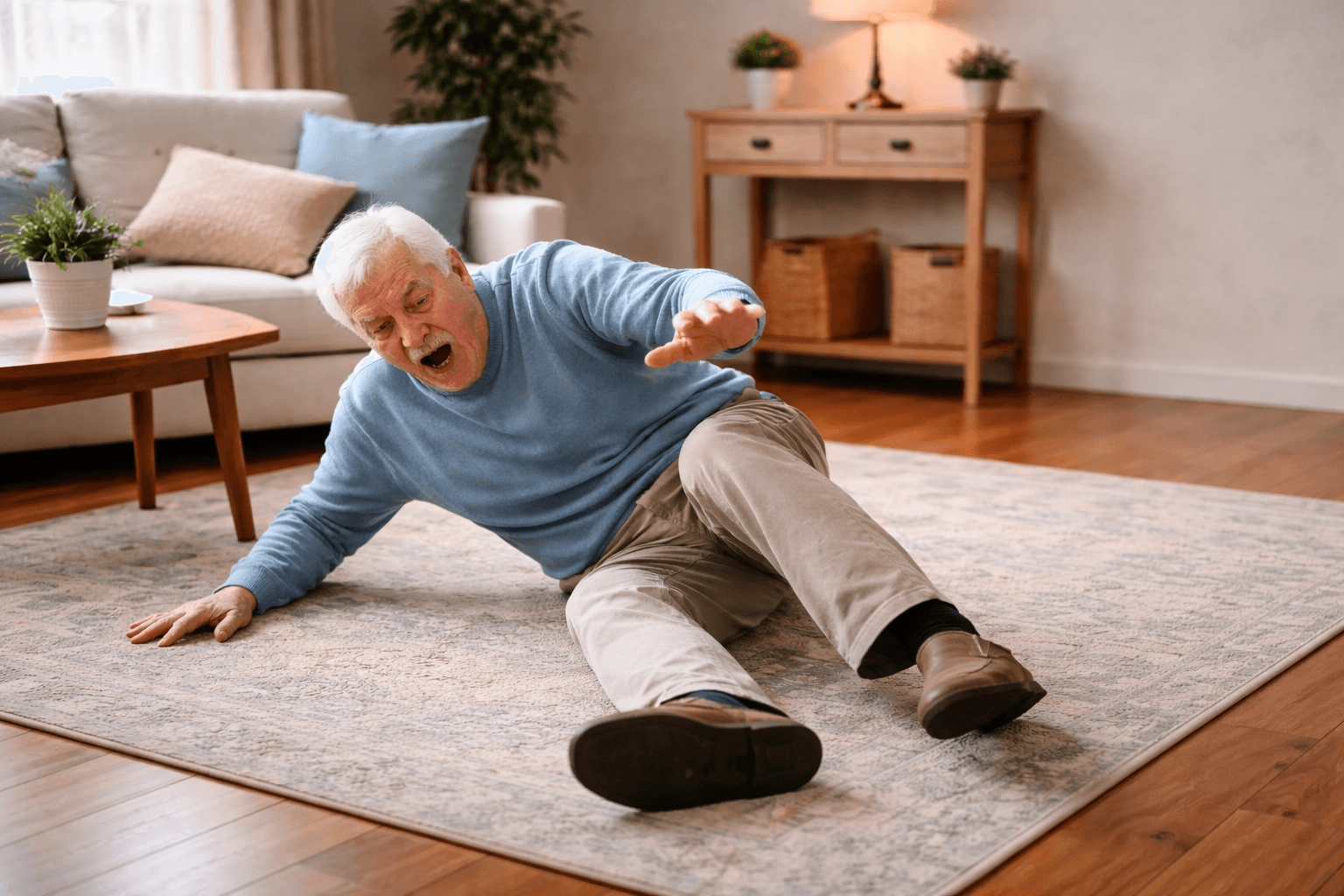
Many of us grow up believing that if an elderly person falls, help will arrive quickly. A neighbor will hear the noise. A family member will call at the right time. Someone will come. Unfortunately, this belief is one of the most dangerous myths in elderly care. At Ripple Healthcare, we have spoken to many older adults and their families, and a painful pattern keeps repeating. Seniors tell us they fell inside their own homes and lay on the floor for hours—unable to get up, unable to reach a phone, and unsure if anyone even knew they needed help. Emergency help was not nearby. It was far away, delayed, or completely unavailable.
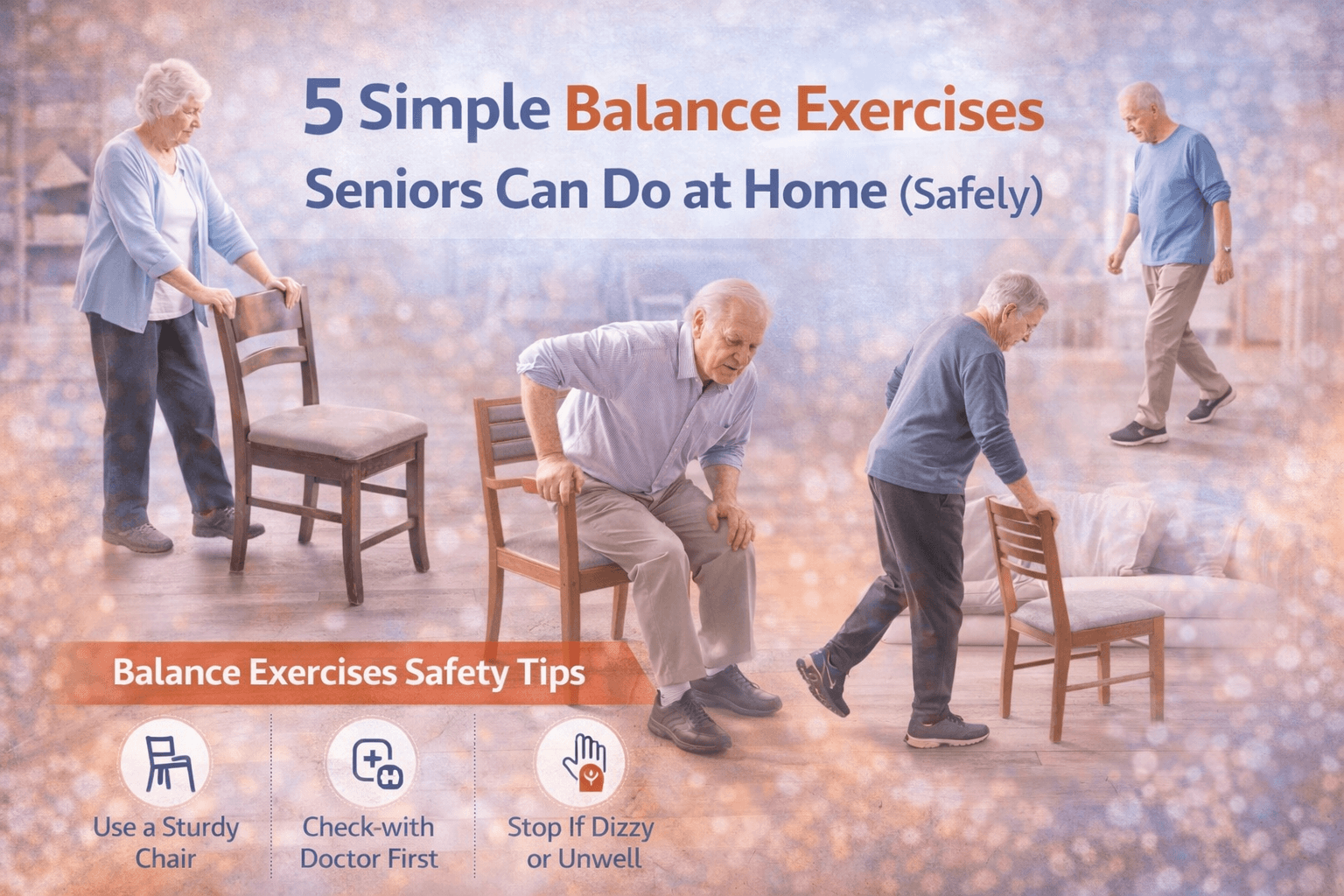
Balance naturally changes as we age. Muscles weaken, reflexes slow, vision may decline, and long periods of inactivity can make us feel unsteady. The good news? Balance can be improved at any age—and it doesn’t require fancy equipment or intense workouts. A few simple, regular exercises done safely at home can significantly reduce the risk of falls and build confidence in everyday movement. Before starting, always make safety the priority. Wear comfortable shoes, keep a sturdy chair or wall nearby for support, and stop immediately if you feel dizzy, breathless, or unwell. If your parent has a medical condition or recent fall, it’s best to consult a doctor or physiotherapist first.
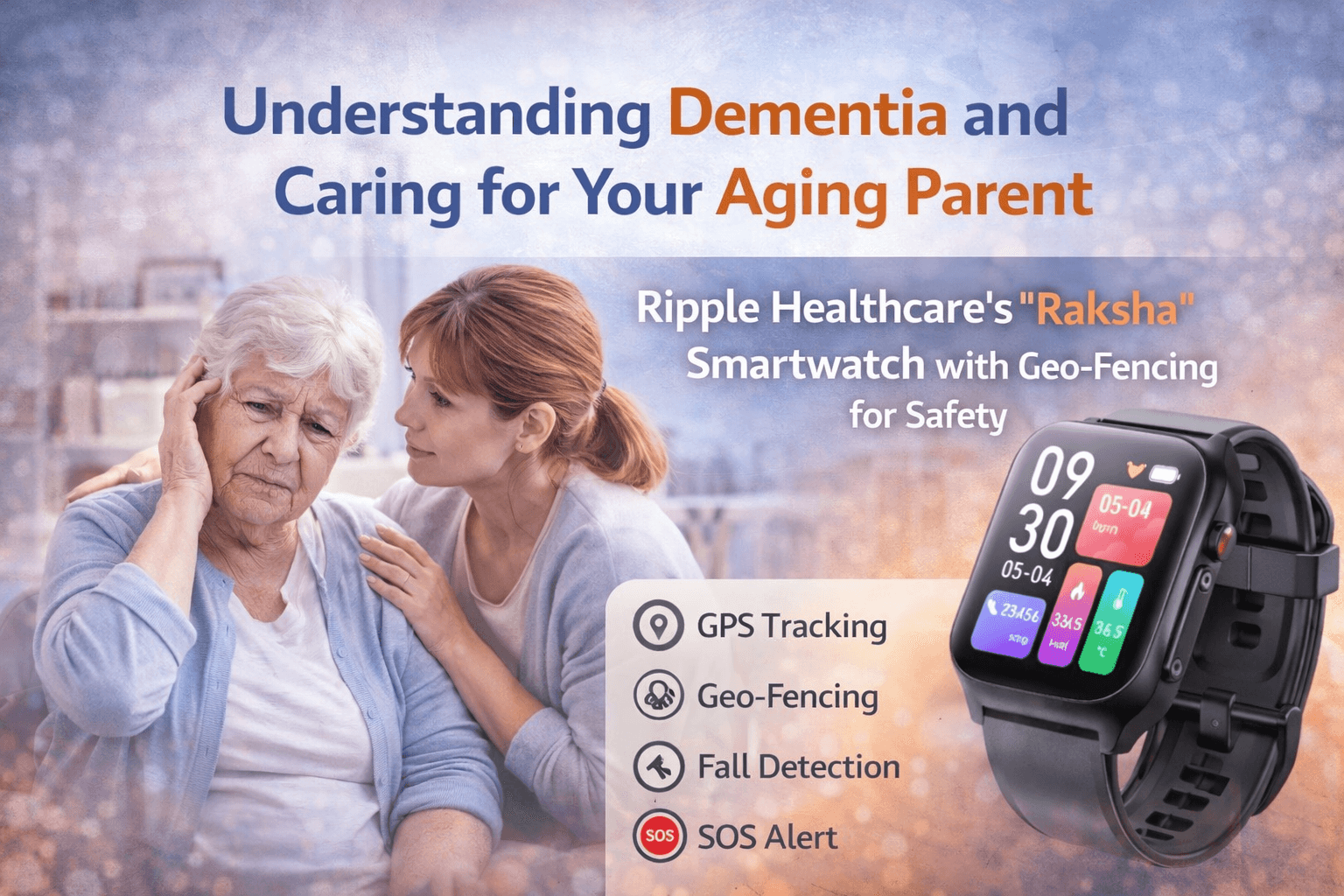
Watching a loved one gradually forget familiar faces, misplace keys repeatedly, or struggle with daily routines can be heartbreaking. When dementia enters a family, it changes the rhythm of everyday life—not just for the person diagnosed, but for everyone around them. Dementia isn’t a single disease; it’s a group of cognitive conditions that affect memory, thinking, judgment, and the ability to perform everyday activities. The most common type is Alzheimer’s disease, but all forms of dementia share similar challenges for families and caregivers.
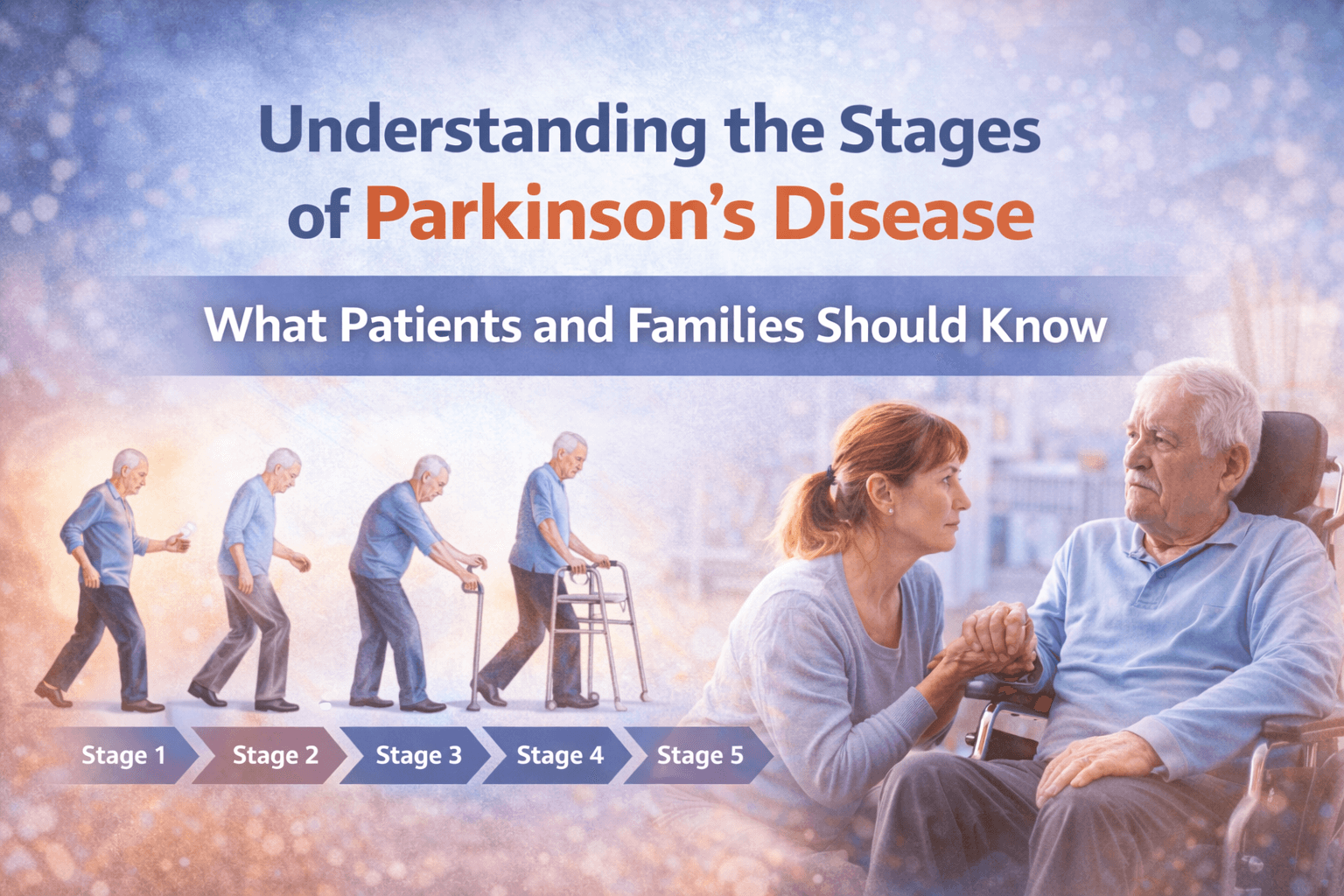
Parkinson’s disease is a progressive neurological condition, meaning its symptoms develop slowly and change over time. For patients and caregivers, one of the most common questions is: “What stage are we in—and what comes next?” Understanding the stages of Parkinson’s helps families prepare, plan care, and respond with empathy rather than fear.
Falls are a major health risk for elderly people. Learn the causes, injuries, emotional impact, and prevention strategies to keep seniors safe and independent.
Plot No. 1, Udyog Vihar Phase 1,
Udyog Vihar, Sector 20, Gurugram,
Haryana 122016
Copyright ©2026 ripplehealthcare.in
All Rights Reserved